Ceramides, Glycerin & What “Hydrating” Means in a Cleanser
A cleanser's main job is to remove oil, sunscreen, makeup, and dead skin cells. It should do this without damaging the barrier that keeps moisture locked in. Foaming, gel, and clay cleansers typically rely on surfactants that emulsify oil efficiently. But those surfactants can also strip lipids your skin needs. Hydrating cream and lotion cleansers use gentler, lower-foaming surfactant systems, or none at all. They pair that gentleness with emollients and humectants, so they clean effectively while leaving the barrier mostly intact. For dry or barrier-compromised skin, this distinction matters more than almost any other product choice in a routine.
Hyaluronic Acid, Squalane & Niacinamide: Ingredients Worth Looking For
- Ceramides — lipids that are naturally part of the skin barrier. Replacing them after cleansing helps reduce water loss.
- Glycerin — a humectant that draws water into the skin. It's one of the most well-studied hydrating ingredients available.
- Hyaluronic acid — another humectant. Its benefit in a rinse-off product is more modest than in a leave-on serum, since contact time is short.
- Squalane or plant oils — emollients that soften skin. They help prevent the tight, stripped feeling after washing.
- Niacinamide — supports barrier function. It can calm visible redness with regular use.
Sulfates, Fragrance & What to Avoid for Dry or Sensitive Skin
Watch for sulfates like sodium lauryl sulfate high on the ingredient list. Also watch for high concentrations of drying alcohol (denatured alcohol, SD alcohol) and heavy fragrance. All of these can aggravate an already-compromised skin barrier. Physical exfoliating beads or granules in a daily cleanser are also a common mistake for dry or sensitive skin. Save exfoliation for a separate, less frequent step.
Non-Foaming vs Cream-to-Foam: Choosing a Texture for Your Skin Barrier
Very dry or eczema-prone skin generally does best with a fragrance-free, non-foaming cream that needs little to no lather. Dry-but-normal skin has more flexibility and can usually tolerate a light lotion or cream-to-foam formula. If you wear heavy makeup or SPF daily, consider a gentle cleansing balm or oil cleanser as a first step. Follow it with a hydrating cream cleanser as a second cleanse. This double cleanse approach removes buildup without over-washing.
Common Mistakes: Lukewarm Water, Moisturizer Timing & Ingredient Labels
- Using hot water, which strips natural oils faster than lukewarm water.
- Over-cleansing — twice a day is enough for almost everyone; more can worsen dryness.
- Skipping moisturizer right after cleansing, when skin is most receptive to a barrier-repair product.
- Assuming “gentle” on the label means fragrance-free or non-irritating. Always check the actual ingredient list, and ask a dermatologist if you're unsure.
Matching a cream cleanser to how dry your skin is
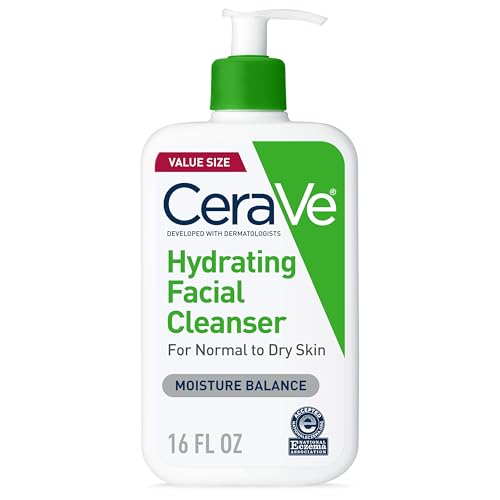
Dry skin sits on a spectrum, and the right cream cleanser depends on where you land. Dry-to-normal skin that just wants a reliable daily wash is well matched by a dermatologist-developed staple like CeraVe Hydrating Facial Cleanser. Reactive or rosacea-prone dry skin does better with a fragrance-free, minimal-ingredient formula such as La Roche-Posay Toleriane Hydrating Gentle Cleanser. Very dry, eczema-prone, or highly reactive skin wants the shortest list of all, which is where Vanicream Gentle Facial Cleanser fits. If you wear makeup or SPF daily, an oil-based first cleanse like The Ordinary Squalane Cleanser melts everything off before your cream cleanser does the second pass.
Telling a truly hydrating formula from a marketing one
“Hydrating” on the front means little on its own, so scan the ingredient list. You want emollients and humectants — ceramides, glycerin, squalane — placed above any sulfate, and no drying alcohol or heavy fragrance near the top. Physical scrub beads in a daily cream cleanser are a red flag for dry skin. A decades-old option like Cetaphil Gentle Skin Cleanser earns its place through a simple, low-irritation formula, not marketing.
When to spend and when to save
Cream cleansers are one of the easiest places to save. The core job — cleaning without stripping — is handled well at drugstore prices, so a higher-end pick like Drunk Elephant Coconut Milk Gentle Hydrating Cleanser is worth it only if you specifically want its texture or formulation polish. Buy a smaller size first to confirm the formula suits your skin before committing to a full one. If your skin is very dry year-round, it's also worth keeping a richer balm or oil cleanser on hand for makeup-heavy days, rather than asking one cream cleanser to do every job.