








Are foaming cleansers good for oily skin?
Foaming cleansers are generally a strong match for oily skin. The foam comes from surfactants that grab and rinse away oil. That makes them efficient at clearing excess sebum and daily buildup. Skin feels genuinely clean afterward, not coated or slick. For many oily complexions, that fresh, light finish is the main appeal. A gel or cream may feel too heavy on a greasy face. Foam solves that by rinsing away completely and leaving nothing behind. That clean-slate feeling is why so many oily-skin routines start with foam.
The catch is picking a balanced, non-stripping formula. A gentle foaming wash cleans without leaving skin tight. The CeraVe Foaming Facial Cleanser adds ceramides and niacinamide to stay mild. La Roche-Posay Effaclar Purifying Foaming Gel Cleanser is aimed squarely at oily, blemish-prone skin. Both prove that foam does not have to mean harsh. A good formula respects the skin even as it clears the grease.
As our full guide to foaming cleansers shows, they earn their reputation for oily skin. The details of the formula still decide how kind they feel day to day. Ingredients matter far more than the marketing on the front. Read past the label claims to the actual list. A single morning-and-night rhythm suits most oily skin. Resist the urge to wash more just because skin feels greasy. The right foam leaves skin clean but never squeaky. A gentle foam cleans oil without stripping the surface. Washing more often will not fix a greasy complexion. The formula, not the foam itself, decides how it feels. Look past the label to the actual ingredient list.
Protecting the skin barrier while clearing excess sebum
Not all foam is created equal, though. Harsh, sulfate-heavy cleansers can clear excess sebum too aggressively. That tight, squeaky feeling after washing is a warning sign. Stripping the skin barrier can push oil glands to overproduce, so controlling oil without over-drying is the real goal. A rebound in oil often follows a too-harsh wash within hours. So over-cleansing can quietly make oily skin oilier.
Smart ingredients keep foam gentle without sacrificing the clean. Niacinamide helps calm skin and support a healthy skin barrier over time. Glycerin and ceramides do similar barrier-friendly work. Together they let a wash clean without stripping.
- Choose sulfate-free or low-sulfate formulas.
- Wash twice a day at most.
- Use lukewarm water, never hot.
- Follow with a light, oil-free moisturizer.
- Avoid scrubbing the foam in aggressively.
Look for supportive extras beyond the cleansing action. Niacinamide, glycerin, and ceramides all help the skin barrier stay intact. The Cetaphil DermaControl Oil Control Foam Wash and SkinCeuticals Simply Clean, two of the foams we rate most highly, aim to clean without over-drying. Neutrogena Oil-Free Acne Wash and Paula's Choice CLEAR Pore Normalizing Cleanser add salicylic acid for extra pore clearing. If your oily skin feels tight after washing, that is your cue to switch. Move to a milder foaming cleanser and always moisturize afterward. A protected barrier is what keeps oil in check for the long run. Follow every wash with a lightweight, non-comedogenic lotion. Give a gentler formula a couple of weeks to prove itself. Rebound oil usually settles once the barrier recovers. Match the foam to your skin, not to marketing promises. Follow every wash with a light, oil-free moisturizer. Rebound oil usually settles once the barrier recovers. Choose a milder formula the moment skin feels tight. Twice daily is the most any oily face needs.
Affiliate disclosure: We may earn a commission from qualifying purchases made through links on this page, at no extra cost to you. Some links on this page are affiliate links.
Recommended foaming cleansers for oily skin
Editor-picked products from our guides.

CeraVe Foaming Facial Cleanser
CeraVe
It pairs a foaming surfactant base with ceramides, niacinamide, and hyaluronic acid. That combination clears oil and buildup without leaving the barrier stripped. It's a rare find in a drugstore foaming cleanser.
- Removes excess oil without a tight, stripped feeling
- Contains ceramides and niacinamide to support the skin barrier
- Fragrance-free and non-comedogenic
- The pump dispenser can be inconsistent and occasionally clogs
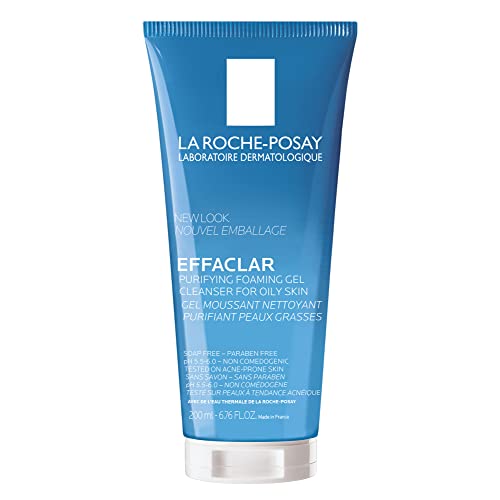
La Roche-Posay Effaclar Purifying Foaming Gel Cleanser
La Roche-Posay
It's formulated with zinc pidolate in a foaming gel base built for acne-prone oily skin. It targets excess sebum and shine, without the aggressive scrubbing some acne washes rely on.
- Specifically formulated for acne-prone, oily skin
- Lathers well and rinses completely clean
- Non-comedogenic and dermatologist-developed
- Contains fragrance, which can be an issue for very reactive or sensitized skin

Neutrogena Oil-Free Acne Wash
Neutrogena
It delivers 2% salicylic acid in a foaming, oil-free formula at a drugstore price. That makes it an accessible way to add a proven acne-fighting ingredient to a daily routine.
- 2% salicylic acid at a low price point
- Easy to find at any drugstore
- Oil-free formula rinses cleanly
- Can be drying or cause flaking if used twice daily without a supporting moisturizer