

Does mineral sunscreen leave a white cast on skin?
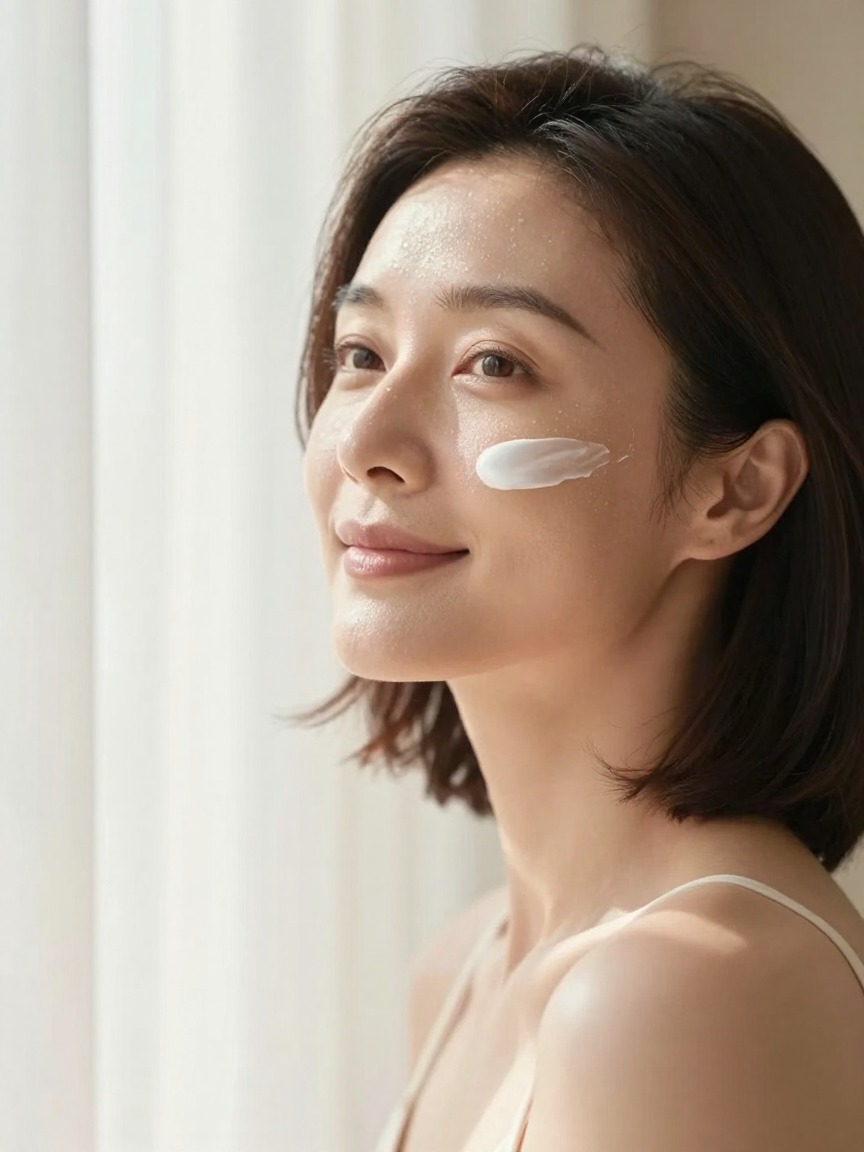
Usually, yes, at least a little. A white cast is a known trait of mineral sunscreen. The two active filters, zinc oxide and titanium dioxide, are naturally white. They sit on top of the skin and reflect light away from it. That is exactly how they protect you from UV. The trade-off is a pale film, which shows up most on medium and deep skin tones. Higher SPF and thicker formulas tend to leave a stronger white cast. This is basic chemistry, not a defect in the product. Once you understand it, the cast is much easier to manage.
How noticeable it is depends on the formula and how much you apply. A thin layer of a sheer product may barely show at all. A generous, protective layer of a classic mineral sunscreen will show more. Right after application, most options look their whitest. The cast often settles as the product warms and blends into the skin over several minutes. Giving it a few minutes to set, then patting in any excess, makes a real difference. Warming the product between your fingers first can help it melt in.
Your routine underneath matters too. A hydrated, well-moisturized face helps the sunscreen spread thin and even. Dry, flaky patches tend to grab the pigment and look chalkier. So a good moisturizer first can quietly reduce the visible white cast you end up with. Applying in thin layers, rather than one thick coat, also helps it disappear faster.
How zinc oxide, titanium dioxide, and tinted formulas compare
The good news is that formulas have improved a lot. Micronized zinc oxide and titanium dioxide particles scatter light more evenly than older versions. That reduces the chalky look without lowering protection. Tinted formulas take it a step further. Iron oxide pigments add a hint of color that cancels out the pale film. For medium to deep skin, tinted formulas are usually the easiest way to avoid an obvious white cast while still using zinc oxide and titanium dioxide.
These widely sold options show the range:
- EltaMD UV Physical Broad-Spectrum SPF 41 Tinted blends warmth into the finish.
- La Roche-Posay Anthelios Mineral Sunscreen SPF 50 offers a lighter, modern feel.
- CeraVe Hydrating Mineral Sunscreen SPF 30 for the face suits drier skin.
- Australian Gold Botanical Tinted Sunscreen Face SPF 50 helps mask the cast.
Untinted picks still exist and work for lighter skin tones. Blue Lizard Sensitive Mineral Sunscreen and Neutrogena Sheer Zinc Dry-Touch both rely on zinc oxide and titanium dioxide. They can leave a faint white cast, so blend well and let them set fully. If you want zero cast, reach for tinted formulas or a chemical sunscreen instead. It also helps to test a shade in daylight before committing to it. Whatever you choose, apply enough to actually protect your skin. A thin layer applied just to dodge the white cast leaves you underprotected. That defeats the whole point of any mineral sunscreen, so sun protection always comes first. If a formula still looks too pale, try warming it between your fingers first. Then press it into the skin instead of rubbing it around. A damp sponge can also buff away a stubborn white cast. Tinted formulas remain the simplest fix for medium and deep skin tones. Whatever you use, reapply through the day so protection actually lasts. Zinc oxide and titanium dioxide only work while they sit on your skin. A little planning makes any mineral sunscreen both wearable and effective.
Affiliate disclosure: We may earn a commission from qualifying purchases made through links on this page, at no extra cost to you. Some links on this page are affiliate links.
Recommended mineral (physical) sunscreens
Editor-picked products from our guides.

UV Physical Broad-Spectrum SPF 41 Tinted
EltaMD
Combines zinc oxide and titanium dioxide with a sheer iron-oxide tint. It blends into more skin tones than most mineral formulas. It skips the heavy feel older physical sunscreens are known for.
- Zinc oxide + titanium dioxide broad-spectrum formula
- Iron-oxide tint noticeably reduces white cast
- Lightweight finish that layers well under makeup
- Higher price per ounce than most drugstore mineral options

Anthelios Mineral Sunscreen SPF 50
La Roche-Posay
A fragrance-free, fully mineral formula built around zinc oxide and titanium dioxide. Its short ingredient list is easy to vet for reactive skin.
- Fragrance-free
- Broad-spectrum SPF 50
- Widely used for rosacea and reactive skin
- Leaves a visible white cast on medium and deep skin tones, more than tinted competitors

Sensitive Mineral Sunscreen SPF 50+
Blue Lizard
A straightforward zinc oxide and titanium dioxide formula with a strong tolerability track record. It costs less per ounce than most premium mineral sunscreens.
- High SPF 50+ broad-spectrum rating
- Fragrance-free, minimal ingredient list
- Lower cost per ounce than most mineral competitors
- Thicker, harder-to-blend texture than newer sheer formulas, with a noticeable white cast on deeper skin tones