

Is mineral sunscreen better for your face?
It depends on your skin. For sensitive, reactive, or acne-prone skin, mineral sunscreen is often the better choice for your face. It sits on top of the skin and reflects light. That gentler action is less likely to sting or trigger breakouts. So for easily irritated faces, mineral sunscreen for your face makes real sense. For other skin, the choice comes down to feel. Both types can protect well when made properly. The right answer is personal, not universal. Neither camp wins for everyone. Your skin and your comfort decide. Formulas have improved a lot in recent years, closing the old gaps. Many modern mineral options feel almost as light as chemical ones. It is worth testing a few mineral sunscreens before writing either type off.
Mineral sunscreen uses two active filters. Zinc oxide and titanium dioxide are the mineral ingredients. Zinc oxide offers broad, gentle coverage across the light spectrum. Titanium dioxide adds further protection and works well alongside it. Both zinc oxide and titanium dioxide tend to be calming rather than irritating. They rarely react with the skin the way some filters can. That is why they are trusted for tender faces. They are also common in baby and post-procedure products. Gentleness is their signature.
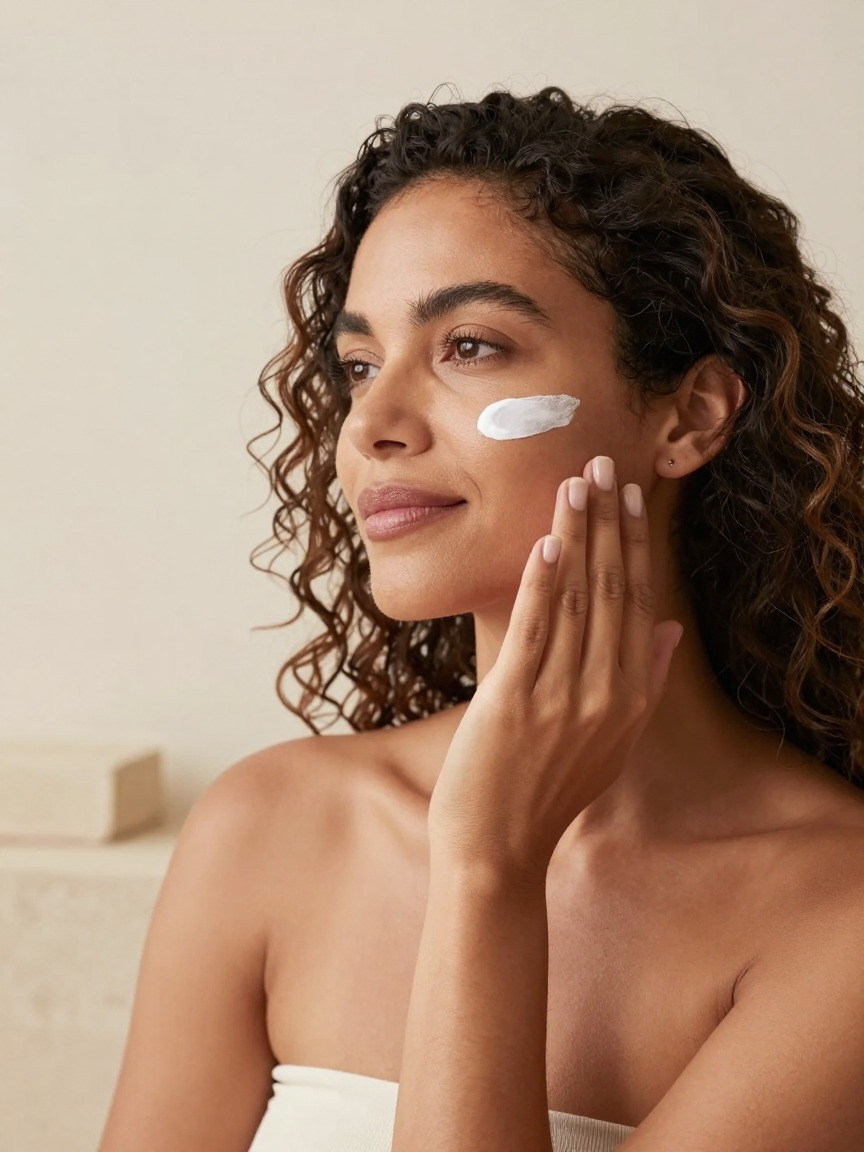
The trade-off is usually cosmetic. Older mineral formulas could leave a white cast on the skin. Newer versions, and tinted options, blend far better for your face. Chemical filters often feel lighter and more invisible. Neither type is automatically superior once it is well formulated. Texture, finish, and tint now vary a lot between products. Trying a few is the only way to find your match. A tinted formula can also even out tone. That bonus wins many people over.
Zinc oxide and titanium dioxide for sensitive skin
Sensitive skin is where mineral sunscreen shines most. Zinc oxide and titanium dioxide rarely cause the stinging some chemical filters can. They are also common picks after procedures, since zinc oxide and titanium dioxide suit rosacea-prone faces. If your skin reacts to everything, mineral is a sensible default for your face. It gives protection with a low chance of a flare. That reliability is worth a lot to reactive skin.
Several options are well regarded. The EltaMD UV Physical Broad-Spectrum SPF 41 is a tinted mineral pick for sensitive skin. The La Roche-Posay Anthelios Mineral Sunscreen SPF 50 uses gentle mineral filters. The Blue Lizard Sensitive Mineral Sunscreen leans fully on zinc oxide and titanium dioxide. Each aims to protect without provoking a reaction.
- Mineral sunscreen suits sensitive, reactive, and acne-prone skin.
- Zinc oxide and titanium dioxide reflect light gently.
- Tinted formulas reduce white cast for your face.
- Both mineral and chemical protect well when well formulated.
- The best sunscreen is simply the one you will use daily.
The CeraVe Hydrating Mineral Sunscreen and Neutrogena Sheer Zinc are two more gentle choices among the mineral sunscreens we rate highest. If chemical filters never bother you, texture and finish can decide instead. What matters most is wearing broad-spectrum SPF on your face every day. Apply enough and reapply during long hours outside. A dermatologist can advise if you have very reactive or condition-prone sensitive skin. Whatever you pick, apply a generous, even layer to bare skin first. Reapply during long hours outdoors, since no formula lasts all day. Daily, consistent use is what actually protects your face over time.
Affiliate disclosure: We may earn a commission from qualifying purchases made through links on this page, at no extra cost to you. Some links on this page are affiliate links.
Recommended mineral (physical) sunscreens
Editor-picked products from our guides.

UV Physical Broad-Spectrum SPF 41 Tinted
EltaMD
Combines zinc oxide and titanium dioxide with a sheer iron-oxide tint. It blends into more skin tones than most mineral formulas. It skips the heavy feel older physical sunscreens are known for.
- Zinc oxide + titanium dioxide broad-spectrum formula
- Iron-oxide tint noticeably reduces white cast
- Lightweight finish that layers well under makeup
- Higher price per ounce than most drugstore mineral options

Anthelios Mineral Sunscreen SPF 50
La Roche-Posay
A fragrance-free, fully mineral formula built around zinc oxide and titanium dioxide. Its short ingredient list is easy to vet for reactive skin.
- Fragrance-free
- Broad-spectrum SPF 50
- Widely used for rosacea and reactive skin
- Leaves a visible white cast on medium and deep skin tones, more than tinted competitors

Sensitive Mineral Sunscreen SPF 50+
Blue Lizard
A straightforward zinc oxide and titanium dioxide formula with a strong tolerability track record. It costs less per ounce than most premium mineral sunscreens.
- High SPF 50+ broad-spectrum rating
- Fragrance-free, minimal ingredient list
- Lower cost per ounce than most mineral competitors
- Thicker, harder-to-blend texture than newer sheer formulas, with a noticeable white cast on deeper skin tones