
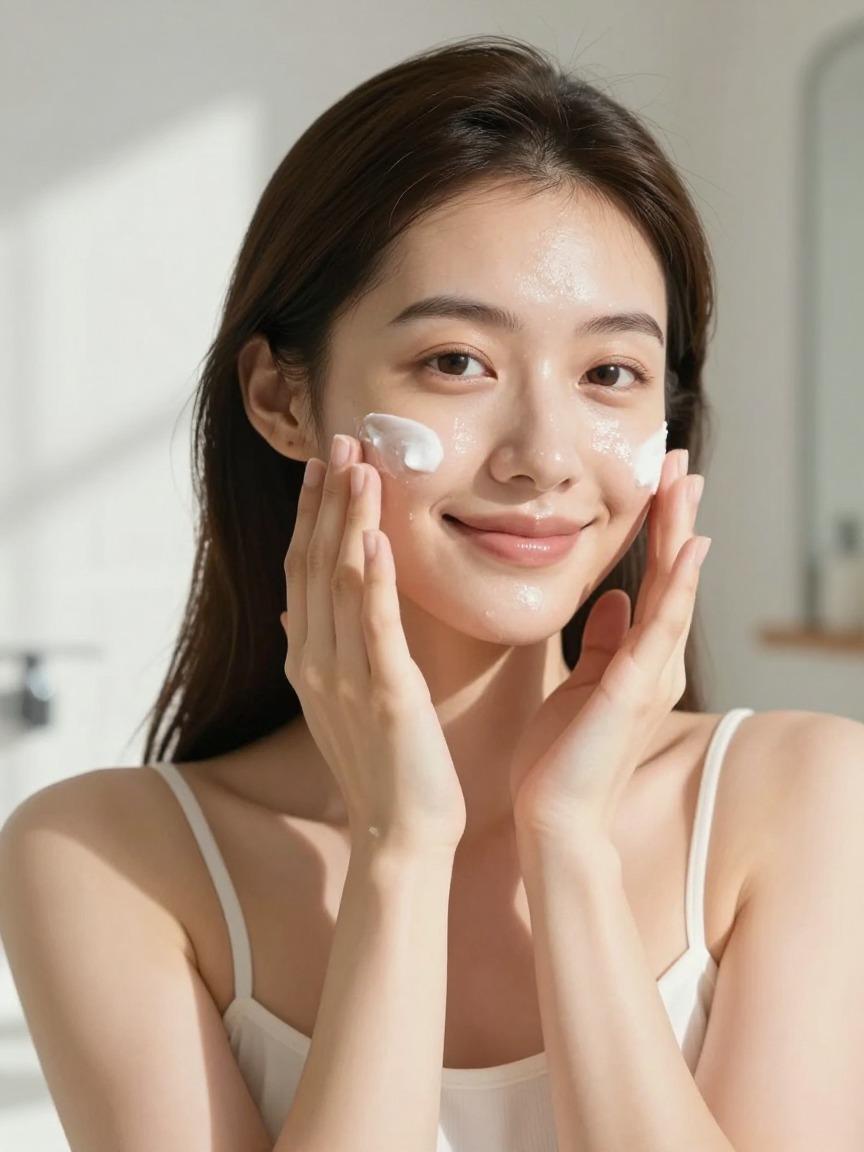
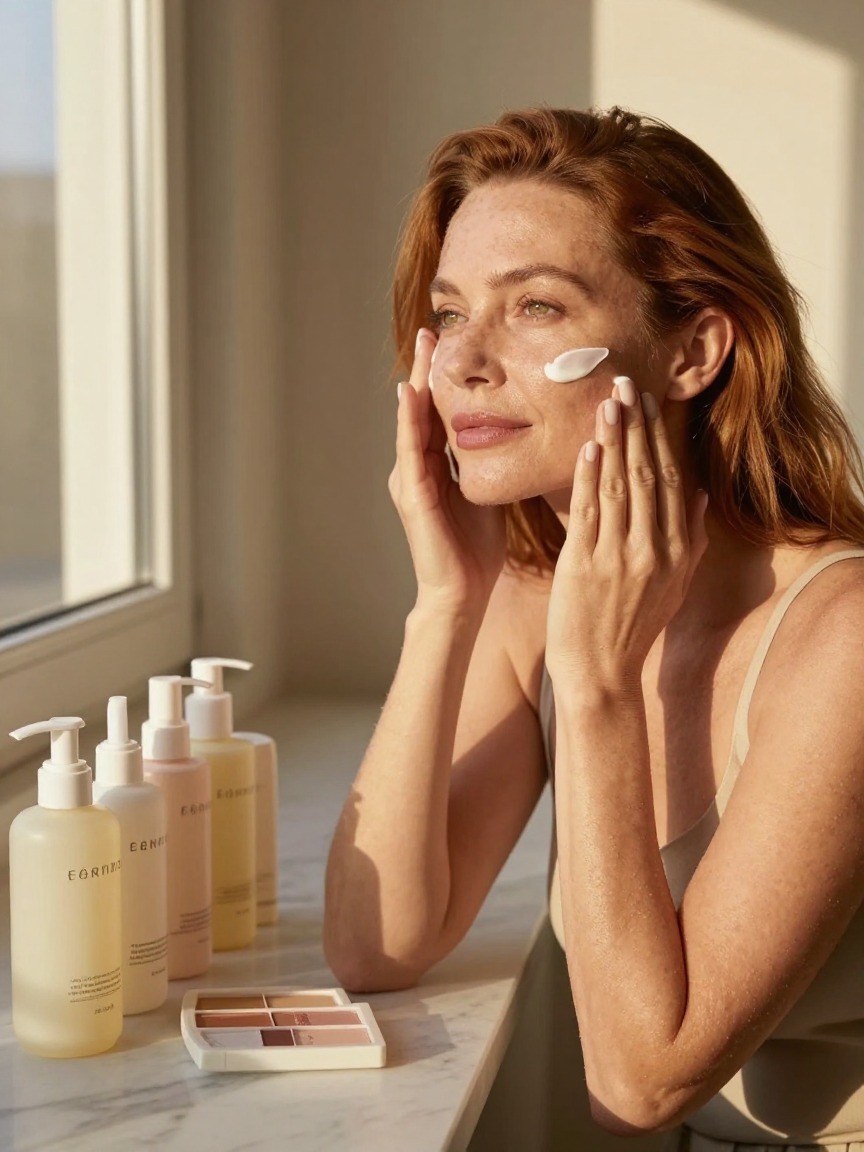
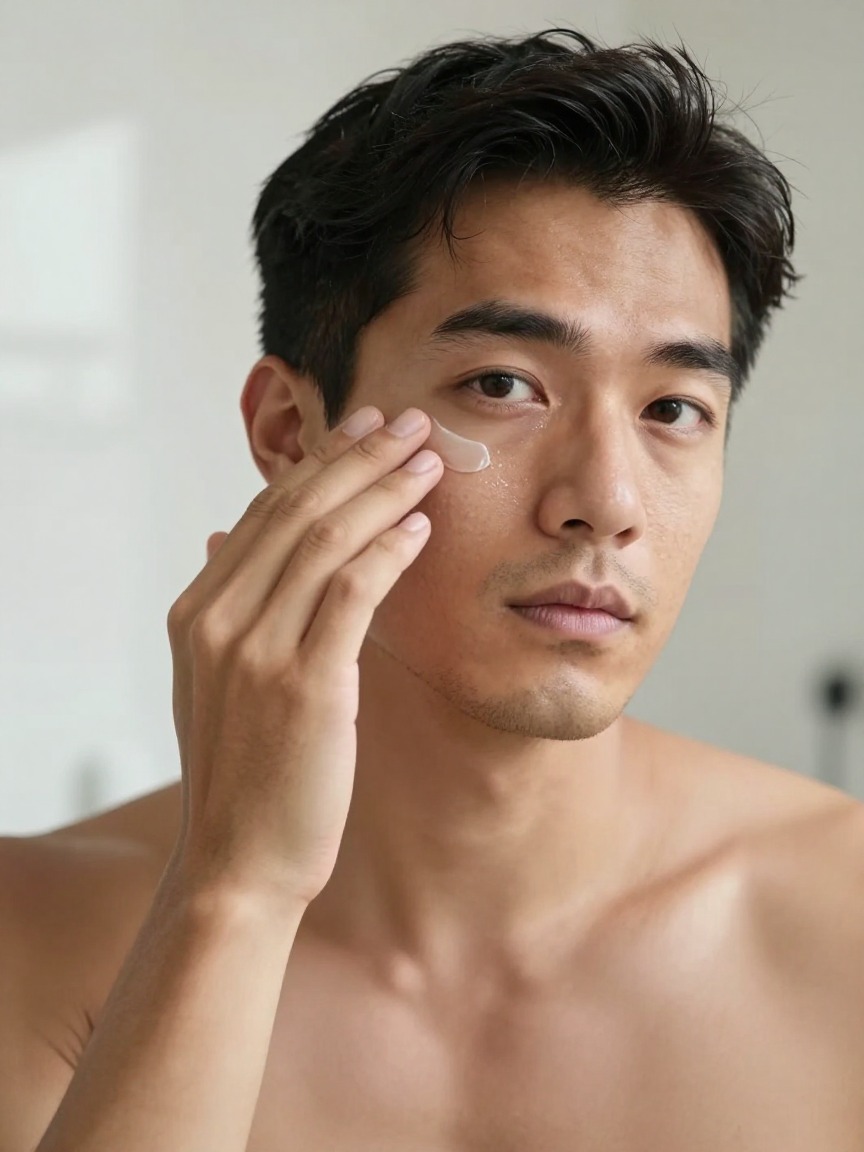

Is tinted sunscreen better for your face?
Tinted sunscreen is not automatically better for your face, but it has real upsides. You get the same broad-spectrum protection as a plain formula. The difference is the pigment. Iron oxide gives a light wash of color that evens out tone and softens redness. For everyday wear on your face, that can replace a light foundation. If your skin is even and calm, an untinted product is perfectly fine. If you deal with melasma, redness, or dark spots, tinted is usually the stronger daily choice. So the answer depends on your goals more than on any single rule.
Think of the tint as a small bonus layered on top of normal sun defense. It does not weaken the SPF. It does not replace the need to apply enough or reapply often. What it adds is a more finished look and a little extra help with tone. EltaMD UV Clear comes in a tinted version many people wear alone. La Roche-Posay makes a tinted Anthelios that stays sheer. CeraVe offers a sheer tint option at a friendly price. Any of these covers the basics while adding that soft, even finish. Price and feel differ more than protection does. A tinted formula from a drugstore can protect as well as a pricier one. What changes is the shade range and the finish on your face. So test a little on your jaw in daylight before you commit. The right match should melt into your skin, not sit on top of it. That quick check saves money and frustration later.
Choosing between tinted and plain comes down to your skin and goals. Oily skin often likes a light, matte tinted fluid. Drier skin may prefer a dewier one. Sensitive skin does well with simple mineral formulas either way.
What broad-spectrum protection and iron oxide add against visible light
The main job of any facial sunscreen is broad-spectrum protection. That means guarding against both UVA and UVB rays. UVA drives aging, and UVB causes burning. A tinted product covers both, just like a clear one. So you are not trading protection for color. You are getting both in a single step, which makes the habit easier to keep. Strong broad-spectrum protection is the foundation, and the tint simply builds on top of it.
Iron oxide is where tinted formulas pull ahead. These pigments help filter visible light, the part of the spectrum plain sunscreen ignores. Visible light can worsen melasma and stubborn pigmentation for some people. Adding iron oxide gives a bit more defense for tone-prone skin. A few tinted options to know:
- ILIA Super Serum Skin Tint SPF 40 blends skincare, light coverage, and sun defense.
- Supergoop Glowscreen SPF 40 leans dewy for a lit-from-within finish.
- Australian Gold Botanical Tinted gives a natural, matte-leaning look.
Match the shade to your face in daylight, since indoor light can mislead you. Apply a generous, even layer for full broad-spectrum protection, and reapply when you are outdoors for long. Iron oxide only helps against visible light if you use enough product. A tinted sunscreen is a smart everyday pick if you want tone help with your sun care. It is not a must-have for every face. If a spot on your face changes fast or looks unusual, see a dermatologist rather than covering it and moving on.
Affiliate disclosure: We may earn a commission from qualifying purchases made through links on this page, at no extra cost to you. Some links on this page are affiliate links.
Recommended tinted facial sunscreens
Editor-picked products from our guides.

UV Clear Broad-Spectrum SPF 46 Tinted
EltaMD
It's the tinted sunscreen dermatologists recommend most often. It's built on a hybrid mineral-chemical formula with niacinamide. It's also non-comedogenic enough to hold up on reactive or acne-prone skin without triggering breakouts.
- Contains niacinamide, which helps calm redness alongside the sun protection
- Non-comedogenic and well-tolerated by acne-prone and post-procedure skin
- Blends in with minimal white cast for most skin tones
- Comes in essentially one universal shade, so it can read slightly light or slightly off on the deepest and the fairest skin tones

Anthelios Tinted Mineral Sunscreen SPF 50
La Roche-Posay
It's a fully mineral formula built around a higher concentration of iron oxides. That's specifically for visible-light defense. It's one of the more purpose-built options for people whose main concern is pigmentation, not just sun protection.
- 100% mineral filters (zinc oxide and titanium dioxide), fragrance-free
- Meaningful iron oxide content aimed specifically at visible-light protection
- Gentle enough for sensitive and post-procedure skin
- Mineral formulas like this one can leave a faint gray or ashy cast on deeper skin tones until it's fully blended in

Hydrating Mineral Sunscreen Sheer Tint Face SPF 30
CeraVe
It pairs CeraVe's ceramide-and-niacinamide base with a sheer mineral tint. The cost is a fraction of the prestige options. It's stocked in nearly every US drugstore.
- Contains ceramides and niacinamide alongside the mineral SPF
- Very inexpensive relative to the amount of product you get
- Widely available at drugstores and mass retailers nationwide
- SPF 30 is on the lower end of this category, so people who burn easily or spend long stretches outdoors may want a higher-SPF option