

Skip to content
Tinted Facial Sunscreens · Deep dive

Tinted Sunscreen vs Foundation

Rowan Avery By Rowan Avery Editorial Director Updated August 24, 2026

Different Products, Different Jobs: Sun Protection vs Makeup Coverage

Tinted sunscreen and foundation solve overlapping but distinct problems. Tinted sunscreen is a sun-protection product with enough pigment to even tone and reduce the need for separate coverage. Foundation is a makeup coverage product that may or may not include meaningful SPF. Confusing the two is one of the more common mistakes in a sun-care routine. That's especially true when people assume any foundation SPF number gives them real daily protection.

Why Foundation SPF Numbers Are Misleading: Quarter Teaspoon & Real-World Protection

Foundation SPF ratings are tested using the same quarter-teaspoon application standard as dedicated sunscreen. Almost nobody applies that much foundation to their face. A typical foundation application is a fraction of that amount, applied for coverage rather than protection. The practical result: an SPF 30 foundation, applied the way most people actually apply foundation, delivers meaningfully less real-world protection than the label suggests. This isn't a flaw specific to any one brand. It's a structural problem with relying on makeup as your primary sun protection.

What Tinted Sunscreen Gives Up: Shade Range, Sheer Coverage & Concealer

The trade-off runs the other way too. Tinted sunscreen is formulated first as sunscreen, so its coverage is intentionally lighter and more sheer than foundation. Formulas like La Roche-Posay's Anthelios or CeraVe's Hydrating Mineral Sunscreen even tone and calm redness, not fully conceal dark spots, redness, or blemishes the way a medium-to-full-coverage foundation can. Shade ranges are also narrower, typically one to three tones designed as universal correctors rather than the ten-plus shade ranges common in foundation lines. If you need real coverage for uneven texture, dark spots, or blemishes, a tinted sunscreen alone usually won't get you there, and a cream concealer still does that job better.

Can You Skip Foundation? Skin Tone, Everyday Wear & Application Amount

For a lot of people, yes, at least on average days. A good tinted sunscreen evens skin tone, calms redness, and adds a healthy finish light enough to look like skin rather than makeup. Skipping a separate foundation step simplifies everyday wear while keeping sun protection as the actual priority. Where this doesn't hold up is if you're specifically trying to conceal something, like active breakouts or noticeable dark spots that a sheer tint won't meaningfully hide. On those days, or for events where more coverage matters, layering something with more pigment on top is the more realistic plan. Using a generous application amount of the tinted sunscreen still matters more than picking a specific foundation.

Layering Both Correctly: Primer, Pigment & Daily Routine

If you want both real sun protection and fuller coverage, the sequence matters. Tinted sunscreen goes on as the last skincare step in your routine, allowed to set for a minute or two. Skincare-forward, primer-like formulas such as Supergoop's Glowscreen or ILIA's Super Serum Skin Tint work well here, since they're built to double as a base. Foundation or concealer goes on top only where you need extra pigment and coverage, not as a full second layer over the whole face. This limits pilling and keeps the routine from feeling heavy. A dermatologist-favorite option like EltaMD's UV Clear works well underneath, too, since its formula is gentle enough for daily layering.

The Bottom Line

Neither product is a full substitute for the other. Tinted sunscreen, including fragrance-free mineral picks like Australian Gold's Botanical Tinted Sunscreen, is the more reliable source of daily sun protection and works well as light, everyday coverage. Foundation is the better tool when you need real, buildable coverage, and its SPF rating shouldn't be counted on as your primary defense. For most routines, tinted sunscreen as the daily default, with foundation layered on top only when more coverage is genuinely needed, is the more realistic and more protective combination.
You may be interested in

Popular picks from related categories, chosen with the same rubric.

Editor's Pick #1
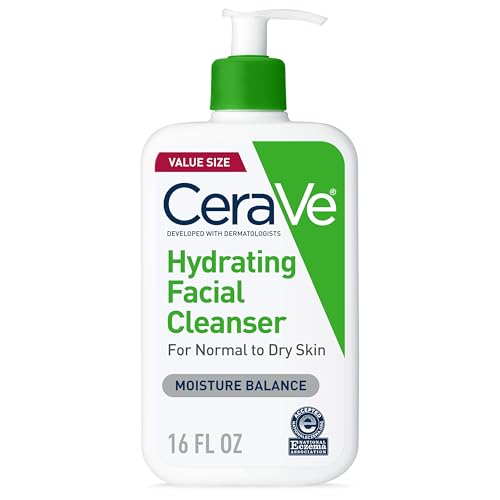
Hydrating Facial Cleanser
Dry-to-normal sensitive skin, especially anyone also using retinoids or other actives

Hydrating Facial Cleanser

CeraVe

It's formulated with three ceramides, hyaluronic acid, and a National Eczema Association seal. Dermatologists mention it most often for reactive skin. It's a genuinely non-foaming, low-irritation formula that doesn't strip the barrier.

Ceramide and hyaluronic acid formula supports the skin barrier while cleansing
Fragrance-free, non-foaming, and won't disrupt a compromised moisture barrier
Budget-friendly per ounce and widely available at drugstores
Doesn't fully dissolve heavy sunscreen or long-wear makeup on its own, so double-cleansing days may need a micellar water or oil-based first step
Best Value #2
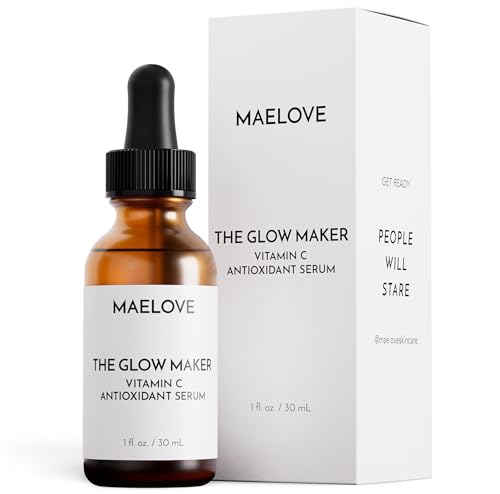
Glow Maker
Readers who want a well-formulated L-ascorbic acid serum without the prestige price tag

Glow Maker

Maelove

It leans on similar formulation logic to pricier serums: L-ascorbic acid plus vitamin E and ferulic acid. It costs a fraction of the price. That's why it's often called an affordable alternative to the prestige options.

Combines L-ascorbic acid with vitamin E and ferulic acid, echoing higher-end formulas
Opaque pump bottle helps limit light and air exposure
Noticeably cheaper per ounce than most L-ascorbic acid serums of similar formulation
The pump can dispense unevenly or feel like it needs priming, a minor but frequently mentioned annoyance
Editor's Pick #1
Moisturizing Cream
Normal to dry skin that wants a dermatologist-developed, fragrance-free daily moisturizer

CeraVe Moisturizing Cream

CeraVe

It pairs three essential ceramides with hyaluronic acid in a rich, fragrance-free base. Long-term users with dry, compromised skin consistently praise it. It's also inexpensive enough to use liberally.

Ceramide + hyaluronic acid formula supports the skin barrier
Fragrance-free and well-tolerated by sensitive skin
Large jar size makes it very cost-effective per ounce
The tub packaging means dipping fingers into the product, which isn't ideal for hygiene or portability
Editor's Pick #1
Super Volcanic Pore Clay Mask 2X
oily, pore-prone skin that wants a formula built specifically around pore congestion

Super Volcanic Pore Clay Mask 2X

innisfree

Two types of volcanic clay target sebum and blackheads. The texture isn't chalky or hard to remove like older clay formulas. It's also genuinely affordable for how often you'll reach for it.

Lightweight, non-cakey texture that spreads and rinses easily
Visibly reduces the look of congested pores after a single use
Priced low enough to use regularly without guilt
The mineral scent is noticeable and won't appeal to everyone
Editor's Pick #1
Skin Perfecting 2% BHA Liquid Exfoliant
Anyone dealing with clogged pores, blackheads, or rough, bumpy texture who wants an evidence-backed exfoliating toner

2% BHA Liquid Exfoliant

Paula's Choice

It's built around a well-studied 2% salicylic acid concentration at an effective pH. The base is fragrance-free and alcohol-free. That combination is why it's stayed a favorite among ingredient-focused shoppers for years, rather than fading as a trend.

2% salicylic acid at a pH that actually works
Fragrance-free and alcohol-free formula
Noticeably improves texture and blackheads with consistent use
The active concentration can cause redness or flaking in the first couple of weeks, so it's not the easiest starting point for very reactive or rosacea-prone skin
Editor's Pick #1
Contour Face
people who want the most clinically studied LED mask on the market and don't mind the price

Contour Face

Omnilux

Omnilux's LED technology is the same platform used in dermatology clinics. The Contour Face is its rigid, dermatologist-favorite home version, and it has more research behind it than most at-home competitors.

Extensive clinical research behind Omnilux's LED platform, more than most home devices
FDA-cleared for temporary reduction in the appearance of fine lines and wrinkles
Even, consistent light distance thanks to the rigid, hinged design
Rigid shell doesn't flex to different face shapes, there's no blue-light setting for acne, and it's one of the most expensive masks on the market

Affiliate disclosure: We may earn a commission from qualifying purchases made through links on this page, at no extra cost to you. Some links on this page are affiliate links.