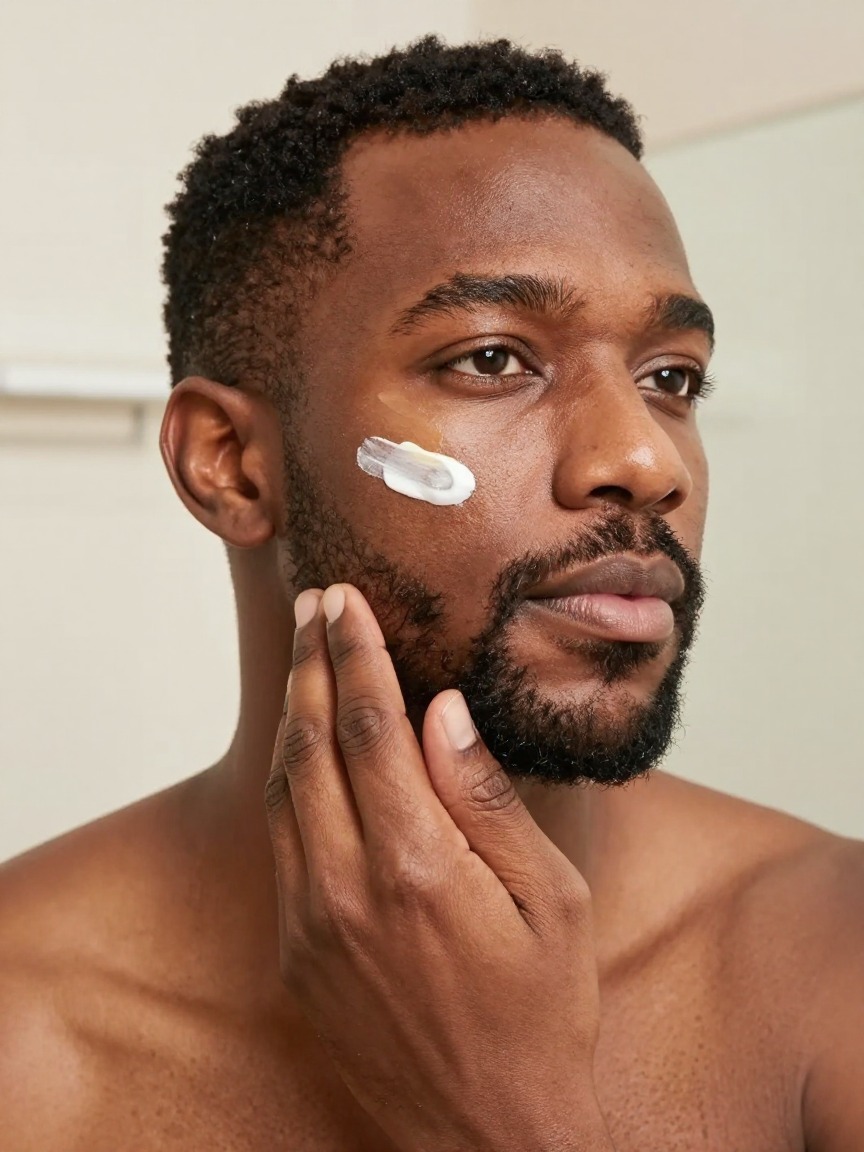
What Makes a Sunscreen "Tinted": Iron Oxide, Zinc Oxide & Titanium Dioxide Pigments
A tinted sunscreen starts as a standard broad-spectrum SPF formula. Iron oxide pigments are mixed in, sometimes alongside zinc oxide or titanium dioxide. That's what gives it a skin-toned cast instead of the white or gray tint plain mineral sunscreen can leave. The tint does real cosmetic work. It color-corrects redness and evens tone enough that many people skip concealer entirely. But it isn't makeup pretending to be sunscreen. The UV filters underneath do the same protective job a clear sunscreen would.
Why Iron Oxides Matter: Visible Light Protection and Hyperpigmentation
Iron oxides are the pigment doing double duty here. Beyond the cosmetic tint, they've been shown to help block visible light. That's a wavelength range plain UV filters, mineral or chemical, don't fully address. This matters most for melasma and post-inflammatory hyperpigmentation. Visible light, including light from the sun and, to a lesser degree, screens, has been linked to worsening both conditions. A clear sunscreen without iron oxides still does its UV job. It just doesn't add this extra layer.
Mineral vs Chemical Sunscreen: UV Protection for Sensitive, Rosacea-Prone & Acne-Prone Skin
Tinted sunscreens come in mineral, chemical, and hybrid formulas. Mineral formulas use zinc oxide and titanium dioxide as the UV filters. Chemical formulas rely on avobenzone, octisalate, and similar organic filters. Mineral formulas tend to sit better on reactive, rosacea-prone, or post-procedure skin. They're the more common choice when a formula is marketed as gentle. Chemical and hybrid formulas often blend into skin more invisibly and can feel lighter. That matters for acne-prone skin or anyone who finds mineral sunscreen's texture heavy.
Shade Range, White Cast, and Matte vs Dewy Finish by Skin Tone
Most tinted sunscreens ship in one to three shades, not a full foundation range. Read that as a universal or near-universal tint, not a true color match. It works better as a subtle corrector than as full coverage. Finish matters too. Some lean matte and suit oily or acne-prone skin. Others lean dewy or slightly luminous and suit dry or normal skin better. If you have deeper skin, check reviews specifically from people with your depth of skin tone. The most common complaint in this category is a gray or ashy white cast on darker complexions.
Common Mistakes: Reapplication, Niacinamide & Broad-Spectrum Basics
The biggest mistake is applying too little. SPF testing assumes about a quarter teaspoon for the face. Most people apply far less of a tinted formula because it's also functioning as makeup. That gap can meaningfully undercut the stated broad-spectrum protection. The second mistake is assuming any tint means visible-light protection. Check that iron oxides are actually listed in the ingredients. A formula with niacinamide is a bonus for calming redness, but it isn't a substitute for reapplication. Reapply through the day the same way you would any sunscreen. If you're managing melasma or a stubborn pigmentation issue that isn't improving, see a dermatologist rather than switching sunscreens again.
Matching a Tinted Sunscreen to Your Skin and Goal
Decide first whether you want protection with a cosmetic bonus or a near-foundation you can wear alone. Acne-, rosacea-, or post-procedure skin is safest with a calm, dermatologist-favorite tint like EltaMD's. If your real reason for buying is melasma or stubborn dark spots, prioritize a formula with a meaningful iron-oxide load, such as the tinted mineral option from La Roche-Posay, over one where the tint is mostly cosmetic. Dry or normal skin chasing a luminous, primer-like glow will prefer a dewy option from a brand such as Supergoop, while anyone wanting light, buildable coverage with skincare benefits can look to a skin-tint serum from a brand like ILIA. Sensitive skin that reacts to scent should seek a fragrance-free, mineral-only tint.
Coverage, Shade, and Getting Your Money's Worth
Read a one-to-three-shade range as a universal corrector, not a true color match, and set expectations accordingly. If you have deeper skin, check swatches from people at your depth before you buy, since a gray or ashy cast is the most common complaint in this category. A budget, ceramide-based tinted mineral option from a brand like CeraVe shows you don't have to overspend for a gentle everyday tint. Spend more only when a formula genuinely replaces your base makeup or adds real skincare, not for the tint alone, and remember a tinted sunscreen still needs applying generously and reapplying to protect at its labeled SPF.