

Skip to content
Moisturizers for Mature & Aging Skin · Deep dive

Rebuilding the Barrier in Mature Skin

Ceramides, cholesterol & fatty acids: why the skin barrier breaks down with age

The skin barrier is often described with a "bricks and mortar" model. Skin cells are the bricks. They're held together by a mortar of lipids — ceramides, cholesterol, and free fatty acids — arranged in tightly packed layers. That structure keeps water inside skin. It keeps irritants, allergens, and pollutants outside. It's a purely structural job. It depends on having enough of the right lipids in the right ratio.

Transepidermal water loss & the natural moisturizing factor

Aging disrupts that ratio in a few specific ways. Ceramide production drops measurably after the mid-30s. The lipid layers become less organized rather than tightly packed. Skin's natural moisturizing factor — a mix of amino acids, urea, and other water-binding compounds — also declines. The combined effect shows up as higher transepidermal water loss, or TEWL. That's the technical measure of how much water evaporates through skin. Higher TEWL means skin dries out faster and feels tighter. It's also measurably slower to recover, whether the trigger is cold wind or a new cleanser.

Barrier damage vs. normal dryness: redness, irritation, moisture & hydration

Ordinary dryness responds quickly to a good moisturizer. Apply cream, and skin feels comfortable again within minutes. A compromised barrier behaves differently. Skin stings or burns when normally mild products are applied. Redness shows up in patches. Texture feels rough or tight even right after moisturizing. Products that used to be well tolerated suddenly aren't. If that describes your skin, the priority isn't more actives. It's restoring moisture and hydration first. Reintroduce actives slowly once skin calms down.

Lipids, squalane, glycerin & humectants for barrier repair

Three lipids matter most for barrier repair. They work best together, not alone: ceramides, cholesterol, and linoleic or oleic fatty acids. Ideally they're formulated close to skin's own ratio, roughly 3:1:1. Products that list only "ceramides," without the cholesterol and fatty acids alongside them, tend to underperform. Olay's better barrier formulas avoid that mistake. Beyond the core lipids, a few supporting ingredients help. Cholesterol esters and squalane mimic skin's own oils. Niacinamide has been shown to increase ceramide synthesis with regular use. Glycerin, a humectant, supports barrier repair independently of its hydrating effect.

A practical, barrier-first routine for sensitive skin

For anyone dealing with a genuinely compromised barrier, simplify aggressively for two to four weeks. That's the fastest way back. Use a gentle, non-foaming cleanser. Follow with a ceramide-based moisturizer — CeraVe's Skin Renewing Night Cream and La Roche-Posay's Toleriane Double Repair are common go-tos. Apply it generously morning and night, plus sunscreen during the day. Pause retinoids, exfoliating acids, and fragranced products entirely during this window. That's not because those ingredients are inherently bad. It's because a leaky, sensitive barrier can't tolerate them until it's repaired. Reintroduce actives one at a time afterward. Watch for any return of stinging or redness before adding the next.

Retinoids and niacinamide: barrier repair isn't a competition with anti-aging actives

Barrier repair isn't an alternative to using retinoids, peptides, or other actives. It's what makes those ingredients tolerable long-term. A retinol applied over a well-moisturized, barrier-supported base causes noticeably less irritation. Compare that to the same retinol applied to compromised, dry skin. Many people who "can't tolerate retinol" simply haven't given their barrier the support it needs first. Try layering a ceramide moisturizer on top of a retinoid. On nights of higher sensitivity, mix it directly in instead. Dermatologists recommend this as a standard way to ease into active ingredients — without the redness and peeling that usually cause people to give up.

What the evidence doesn't support

Some marketing implies that barrier-repair ingredients alone will meaningfully reduce wrinkles. They don't. Ceramides and cholesterol restore function and comfort, not collagen. Expect a barrier-focused moisturizer to make skin feel less tight and look less flaky. Expect it to help skin tolerate actives better too. Don't expect it to visibly erase lines on its own. Pairing barrier repair with retinoids, peptides, and niacinamide — the ingredients covered elsewhere in this guide, including prestige actives like SkinCeuticals' peptide blends — is what produces a visible anti-aging effect over time.
You may be interested in

Popular picks from related categories, chosen with the same rubric.

Editor's Pick #1
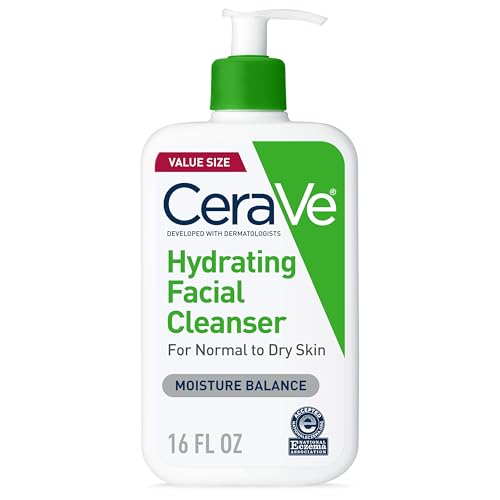
Hydrating Facial Cleanser
Dry-to-normal sensitive skin, especially anyone also using retinoids or other actives

Hydrating Facial Cleanser

CeraVe

It's formulated with three ceramides, hyaluronic acid, and a National Eczema Association seal. Dermatologists mention it most often for reactive skin. It's a genuinely non-foaming, low-irritation formula that doesn't strip the barrier.

Ceramide and hyaluronic acid formula supports the skin barrier while cleansing
Fragrance-free, non-foaming, and won't disrupt a compromised moisture barrier
Budget-friendly per ounce and widely available at drugstores
Doesn't fully dissolve heavy sunscreen or long-wear makeup on its own, so double-cleansing days may need a micellar water or oil-based first step
Best Value #2
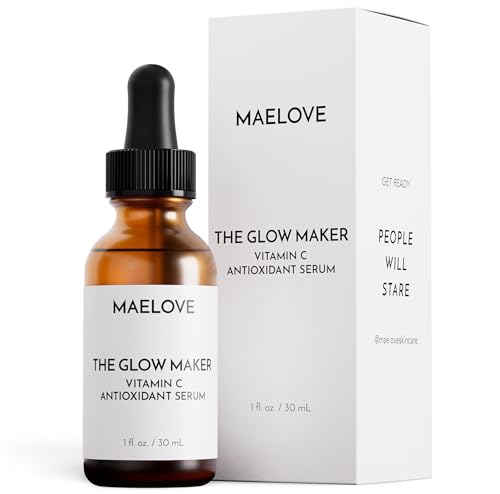
Glow Maker
Readers who want a well-formulated L-ascorbic acid serum without the prestige price tag

Glow Maker

Maelove

It leans on similar formulation logic to pricier serums: L-ascorbic acid plus vitamin E and ferulic acid. It costs a fraction of the price. That's why it's often called an affordable alternative to the prestige options.

Combines L-ascorbic acid with vitamin E and ferulic acid, echoing higher-end formulas
Opaque pump bottle helps limit light and air exposure
Noticeably cheaper per ounce than most L-ascorbic acid serums of similar formulation
The pump can dispense unevenly or feel like it needs priming, a minor but frequently mentioned annoyance
Editor's Pick #1
UV Clear Broad-Spectrum SPF 46
acne-prone, sensitive, or post-procedure skin that needs a dermatologist-trusted daily option

UV Clear Broad-Spectrum SPF 46

EltaMD

Dermatologists reach for EltaMD more than almost any other sunscreen. It pairs broad-spectrum zinc oxide protection with niacinamide and hyaluronic acid. The oil-free base is genuinely weightless and layers well under makeup.

Broad-spectrum SPF 46 with zinc oxide
Oil-free, non-comedogenic formula favored for acne-prone skin
Contains niacinamide and hyaluronic acid for added hydration
Pricier per ounce than most drugstore sunscreens, and the pump makes it easy to under-apply if you're not deliberate about the amount.
Editor's Pick #1
Super Volcanic Pore Clay Mask 2X
oily, pore-prone skin that wants a formula built specifically around pore congestion

Super Volcanic Pore Clay Mask 2X

innisfree

Two types of volcanic clay target sebum and blackheads. The texture isn't chalky or hard to remove like older clay formulas. It's also genuinely affordable for how often you'll reach for it.

Lightweight, non-cakey texture that spreads and rinses easily
Visibly reduces the look of congested pores after a single use
Priced low enough to use regularly without guilt
The mineral scent is noticeable and won't appeal to everyone
Editor's Pick #1
Skin Perfecting 2% BHA Liquid Exfoliant
Anyone dealing with clogged pores, blackheads, or rough, bumpy texture who wants an evidence-backed exfoliating toner

2% BHA Liquid Exfoliant

Paula's Choice

It's built around a well-studied 2% salicylic acid concentration at an effective pH. The base is fragrance-free and alcohol-free. That combination is why it's stayed a favorite among ingredient-focused shoppers for years, rather than fading as a trend.

2% salicylic acid at a pH that actually works
Fragrance-free and alcohol-free formula
Noticeably improves texture and blackheads with consistent use
The active concentration can cause redness or flaking in the first couple of weeks, so it's not the easiest starting point for very reactive or rosacea-prone skin
Editor's Pick #1
Contour Face
people who want the most clinically studied LED mask on the market and don't mind the price

Contour Face

Omnilux

Omnilux's LED technology is the same platform used in dermatology clinics. The Contour Face is its rigid, dermatologist-favorite home version, and it has more research behind it than most at-home competitors.

Extensive clinical research behind Omnilux's LED platform, more than most home devices
FDA-cleared for temporary reduction in the appearance of fine lines and wrinkles
Even, consistent light distance thanks to the rigid, hinged design
Rigid shell doesn't flex to different face shapes, there's no blue-light setting for acne, and it's one of the most expensive masks on the market

Affiliate disclosure: We may earn a commission from qualifying purchases made through links on this page, at no extra cost to you. Some links on this page are affiliate links.