









Why the Skin Barrier Is Central to Reactive, Redness-Prone Skin
The outermost layer of skin, the stratum corneum, works like a wall. Skin cells are held together by ceramides, cholesterol, and fatty acids. Together, they keep moisture in and irritants out. When that structure is compromised, water escapes faster than it should. Irritants get in more easily. Skin becomes more reactive to almost everything, including products it tolerated fine before. For redness-prone and reactive skin, barrier health isn't a side issue. It's often the difference between calm-looking skin and skin that flares at the slightest trigger.
What a Compromised Barrier Actually Looks Like
Tightness after cleansing and stinging from normally mild products are common signs. So is flaking or rough texture that isn't classic dryness. So is redness that seems to appear for no obvious reason. It's easy to mistake these signs for "sensitive skin" as a fixed trait. But a compromised barrier is often a temporary, reversible state. It's usually caused by over-cleansing, over-exfoliating, or too many actives introduced at once. Environmental stress, like wind and cold, plays a role too.
The Redness-Barrier Feedback Loop
Redness and barrier damage tend to reinforce each other. A weakened barrier makes skin more reactive. That shows up as visible redness and irritation. The irritation often prompts people to reach for more products — a new serum, an exfoliant, a "calming" mask. If those products aren't genuinely gentle, they add more disruption on top of an already-compromised barrier. Breaking that loop usually means doing less, not more, at least temporarily.
Simplifying to Basics: Mineral Sunscreen Before Azelaic Acid, Niacinamide or Centella Asiatica
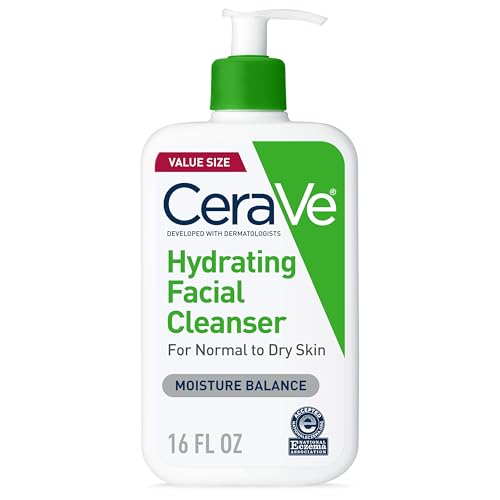
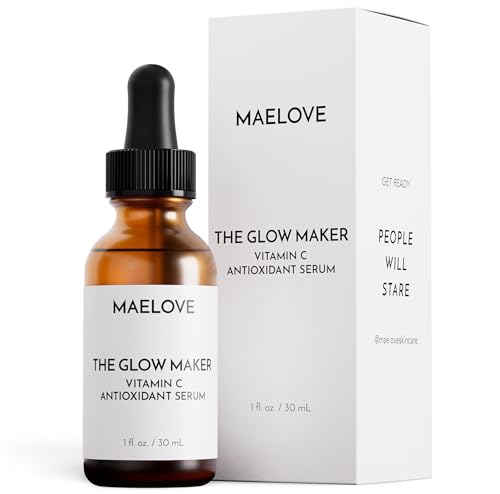
If your skin is reactive or flaring, the most useful first move is stripping the routine down. Stick to a gentle, fragrance-free cleanser, a barrier-supporting moisturizer, and mineral sunscreen. Azelaic acid from The Ordinary or Paula's Choice can be layered back in slowly. So can a centella-based treatment like Dr. Jart+'s Cicapair, once skin is calm. Pause retinoids, exfoliating acids, and any new active ingredient. Wait until skin has been calm for at least a couple of weeks. It feels counterintuitive to stop treating redness in order to treat it. But a stable barrier is what makes redness-focused ingredients actually work as intended. Azelaic acid, niacinamide, and centella asiatica need that foundation, instead of adding to the irritation.
What Actually Rebuilds a Barrier: Ceramides, Cholesterol & Fatty Acids
Ceramides, cholesterol, and fatty acids do the most direct repair work. They work best in roughly the ratios found naturally in skin. That's why they show up in nearly every dermatologist-recommended barrier moisturizer — a ceramide-based formula like La Roche-Posay's Toleriane Double Repair is a common example. Niacinamide has evidence for supporting barrier function over time. Centella asiatica is widely used to soothe visible irritation while the underlying barrier recovers. None of this happens overnight. Barrier repair is generally measured in weeks, not days.
Humectants (Glycerin, Hyaluronic Acid) and Occlusives in the Right Layering Order
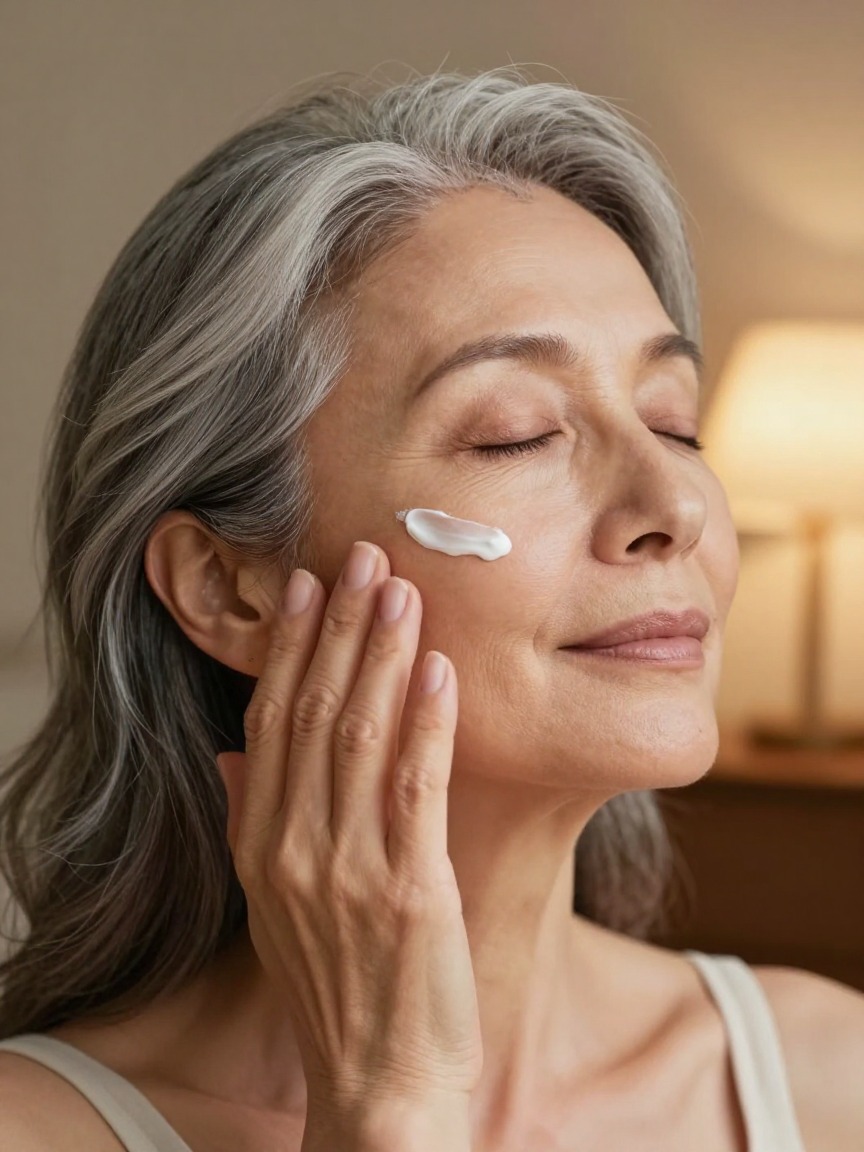
Humectants like glycerin and hyaluronic acid pull water into the skin. Occlusives like petrolatum or dimethicone slow water loss on top. Apply products from thinnest to thickest. Start with a gentle cleanser, then a single redness-focused treatment, not several layered together. Follow with a ceramide-based moisturizer, then a mineral sunscreen such as EltaMD's UV Clear in the morning. Give a new product several days before adding another. Introducing multiple new ingredients at once makes it impossible to tell what's helping. It also hides which one, if any, is causing new irritation.
Patience, Patch Testing & Barrier Repair
Cold compresses, lukewarm water instead of hot, and gentle pat-drying instead of rubbing are small habits. Together they reduce stress on an already-reactive barrier. Patch testing any new product catches a lot of reactions early. Do it before applying anything to your whole face. A genuinely compromised barrier usually takes four to eight weeks of consistent, gentle care to visibly stabilize. That timeline extends further for diagnosed rosacea, where a dermatologist's treatment plan is doing the heavier lifting. Resist the urge to judge a new moisturizer or serum after a few days. Barrier repair is slow, cumulative work. Switching products too quickly is a common mistake. It often restarts the cycle you're trying to break.