What Redness-Reducing Skincare Can Do for Reactive, Sensitive Skin
Products in this category can't treat or cure rosacea. None of the picks below are marketed as medical treatments. What a well-formulated redness-focused routine can do is support a healthier-looking skin barrier. It can calm the visible flushing and blotchiness that often comes with reactive or sensitive skin. It can also reduce the day-to-day triggers that make redness worse. If you have diagnosed rosacea or persistent unexplained redness, a dermatologist should steer the actual treatment plan. Prescription options like topical or oral medications exist, and they work differently than anything sold over the counter. Everything here is meant to sit alongside that care, not replace it.
Azelaic Acid, Niacinamide & Centella Asiatica: Ingredients With Real Evidence
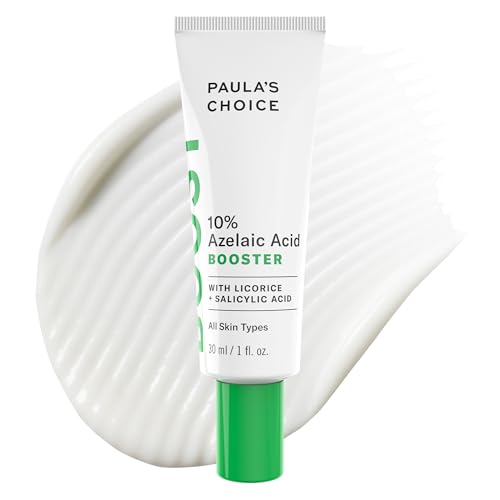
- Azelaic acid is one of the better-studied ingredients for visible redness and uneven tone. It's available over the counter at lower strengths, typically around 10%, and by prescription at higher ones.
- Niacinamide supports the skin barrier. It has evidence for reducing the appearance of blotchiness and improving tolerance to other products over time.
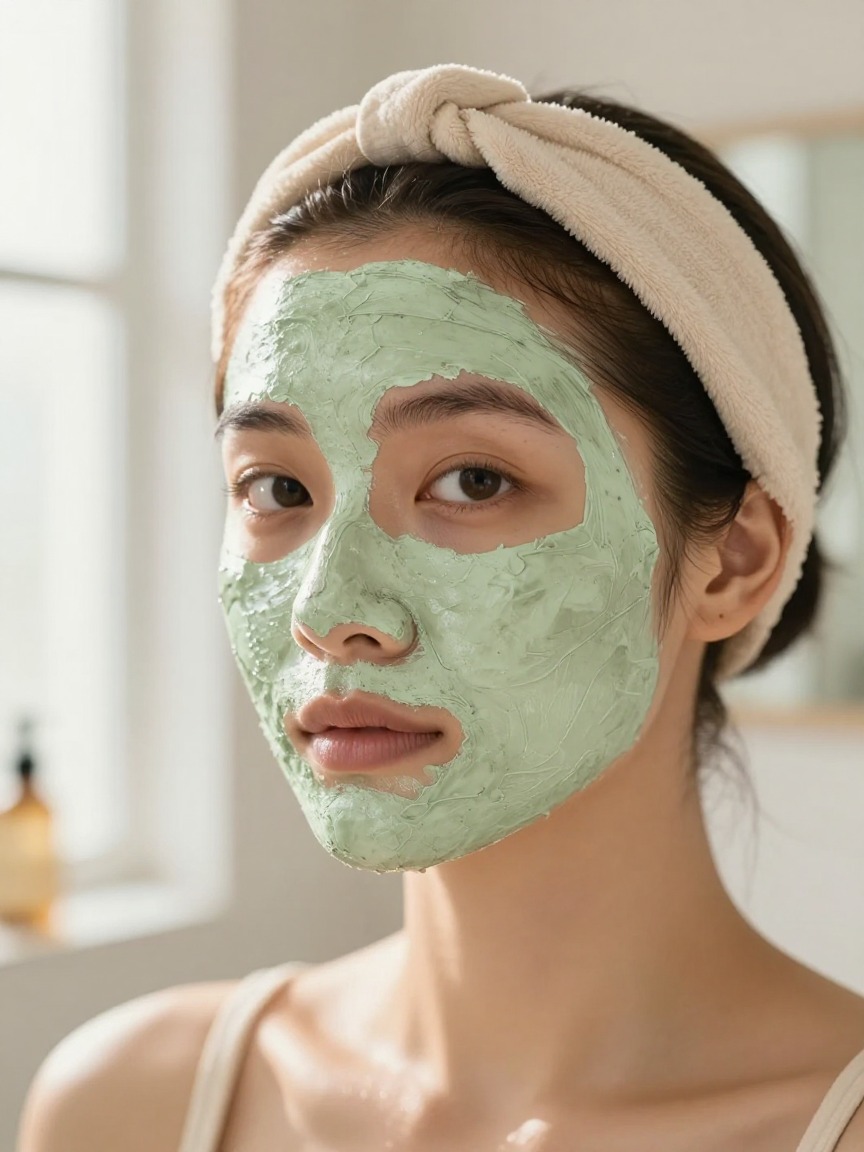
- Centella asiatica (cica) is widely used in Korean and French pharmacy skincare for soothing visibly irritated, reactive skin. It's often paired with a green-tinted color-corrector for immediate camouflage.
- Mineral sunscreen filters like zinc oxide and titanium dioxide tend to be better tolerated than chemical filters on reactive skin, since chemical filters are a more common source of stinging and flare-ups.
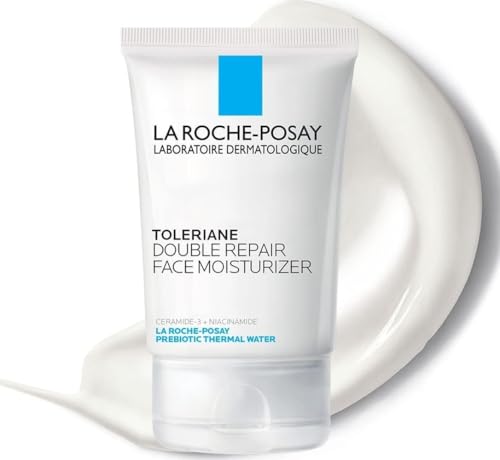
- Ceramides, glycerin, and panthenol in a fragrance-free moisturizer rebuild and protect the barrier that redness-prone skin depends on.
Zinc Oxide, Ceramides & Skin Barrier Support: What to Skip if You're Redness-Prone
Fragrance, including "natural" fragrance and essential oils, is a common trigger worth avoiding by default. So are alcohol denat., menthol, witch hazel, and physical scrubs. High-strength acids and retinoids can also be too aggressive for actively flaring skin. Introduce them slowly, if at all, and only once skin is calm. Lean instead on zinc oxide sunscreen, ceramides, and other skin-barrier-supporting ingredients as your daily baseline.
Building a Routine Instead of Chasing One Product: Avoiding Flushing & Visible Blood Vessels
No single serum fixes visible redness on its own. The products below work best inside a simplified routine: a gentle cleanser, one redness-focused treatment (not several layered together at once), a barrier-supporting moisturizer, and mineral SPF every morning. Introduce new products one at a time, patch test first, and give each change several weeks before judging whether it's helping. This slower approach also reduces the flushing and visible blood vessels that come from overloading reactive skin with too much, too fast.
Barrier Repair First: See a Dermatologist Before — or Alongside — Any of This
Persistent facial redness, visible blood vessels, bumps that look like acne but don't respond to acne treatment, or eye irritation alongside redness are all reasons to see a dermatologist rather than self-treat. Rosacea in particular is a diagnosis a dermatologist makes. It isn't something a skincare routine can identify or resolve on its own. The products below are meant to support barrier repair, comfort, and appearance — never to replace that visit.
Matching a calming pick to your skin and budget
Choose for what your skin needs first, then for price. Reactive or rosacea-prone skin with visible redness and uneven tone does well with an azelaic acid — a higher-strength booster like Paula’s Choice’s, or the more affordable suspension The Ordinary offers for anyone testing the ingredient without a premium price. Redness that comes with visible pores or blotchy texture pairs azelaic acid with a niacinamide booster in the Paula’s Choice mold. For immediate camouflage while a longer routine works underneath, a green-tinted color-correcting treatment like Dr. Jart+’s Cicapair covers the flush on the spot. Underneath it all sit two daily non-negotiables: a well-tolerated, mineral-leaning SPF such as EltaMD’s UV Clear, and a fragrance-free barrier moisturizer in the La Roche-Posay Toleriane mold.
Reading labels and spending wisely
On reactive skin the ingredient list is a safety check, not just a quality one. Screen out fragrance, essential oils, alcohol denat., menthol, and witch hazel before you buy, however soothing the front label sounds. Most of these picks are affordable, and paying more rarely buys more comfort; the money is better spent on a sunscreen you’ll wear daily than on a premium serum layered onto skin that’s already overloaded, and a fragrance-free, mineral-leaning formula is usually the safer buy even when it costs a little more. One calming treatment at a time, patch-tested, beats an expensive stack.