



A Simple Acne Routine That Works: Salicylic Acid, Benzoyl Peroxide & Adapalene
The most effective acne routines tend to be the simplest ones. A five- or six-step routine, followed consistently for two to three months, beats a ten-step routine. That's true even if the bigger routine gets swapped out every few weeks looking for a fix. Below is a minimal, sustainable version built around one active ingredient at a time.
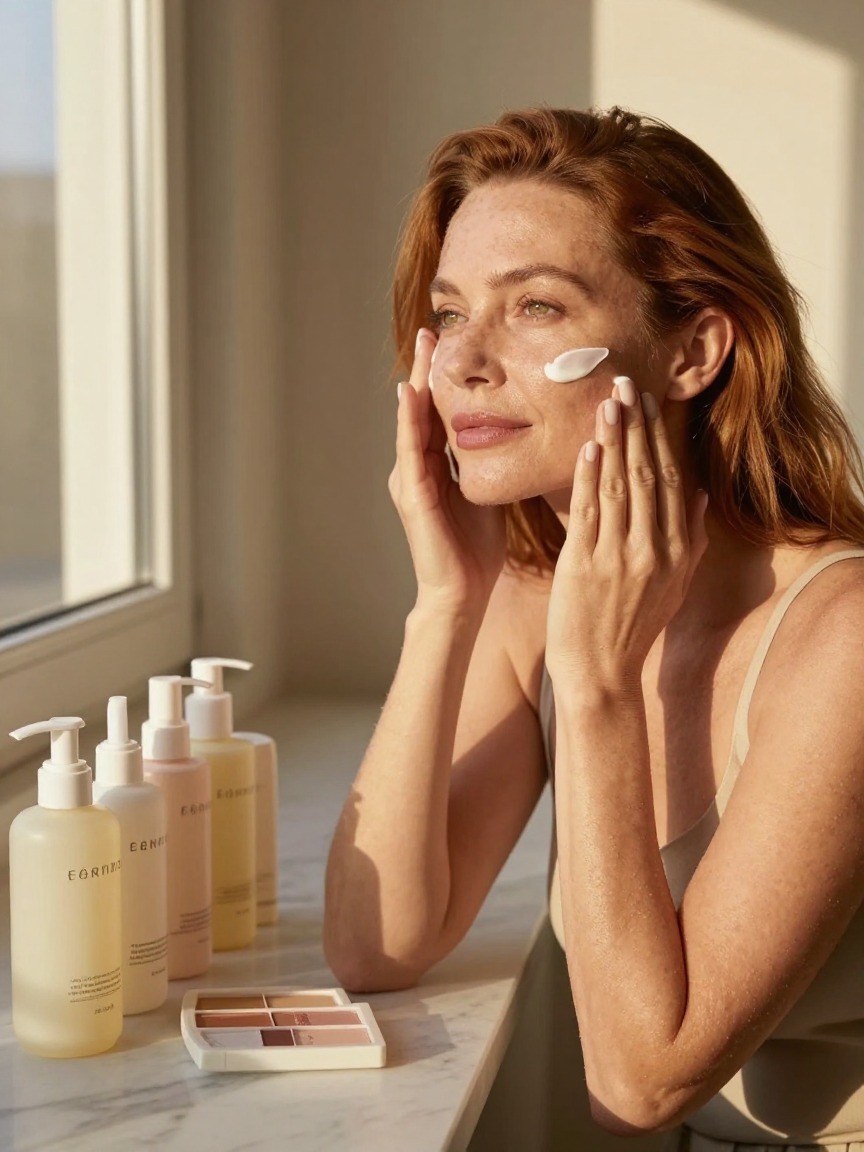
Gentle Cleanser, Oil-Free Moisturizer & Broad-Spectrum Sunscreen: The Morning Routine
Mornings are mostly about protecting skin rather than treating it. Most people don't need a strong active ingredient in the morning at all.
- Cleanse: a gentle, fragrance-free cleanser to remove overnight oil and sweat.
- Moisturize: an oil-free, non-comedogenic moisturizer, even on oily days. This is the step people skip most often, and it usually backfires.
- Sunscreen: a non-comedogenic, broad-spectrum SPF, like EltaMD's UV Clear or La Roche-Posay's Anthelios, applied as the last step every day.
One Active Ingredient, Non-Comedogenic Moisturizer: The Evening Routine
Evenings are where the real work happens, and restraint matters more here than anywhere else in the routine.
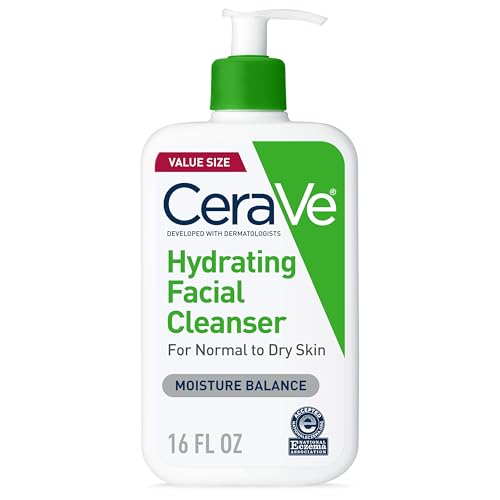
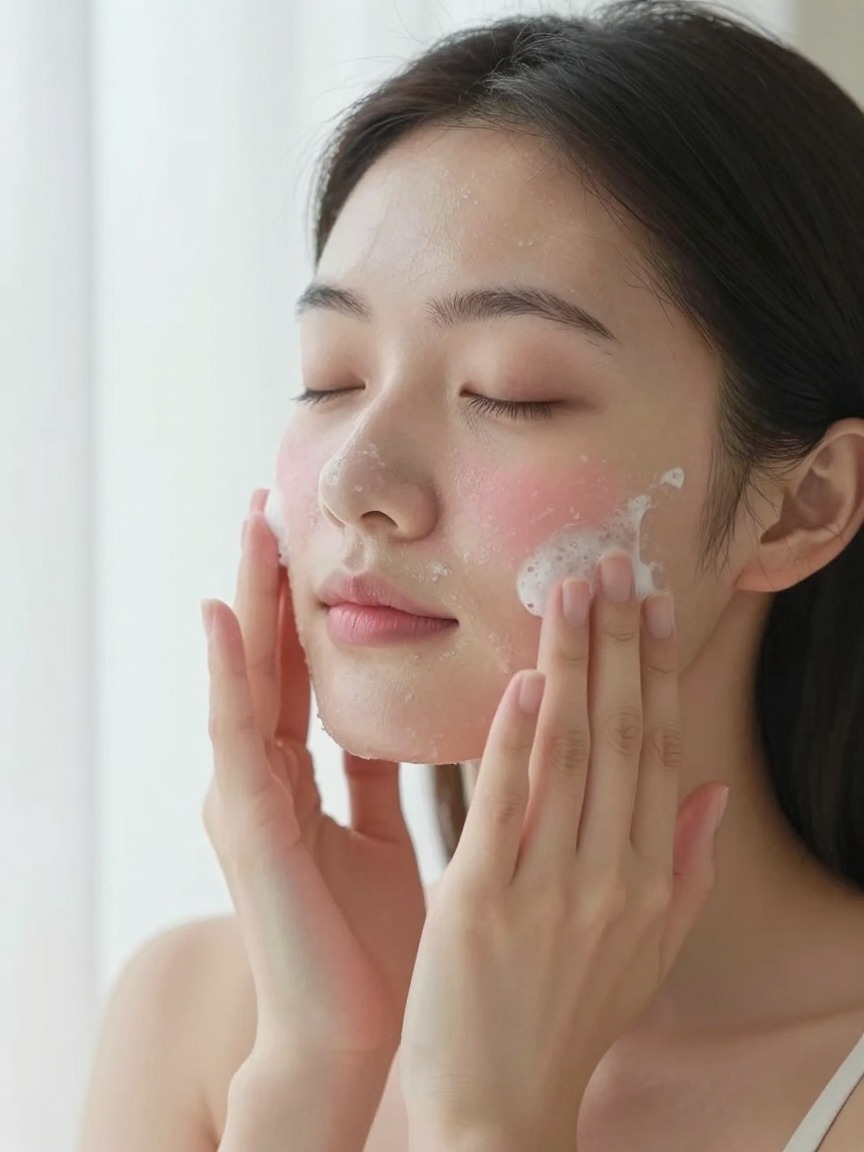
- Cleanse: the same gentle cleanser, like CeraVe's Foaming Facial Cleanser, to remove sunscreen, oil, and the day's grime.
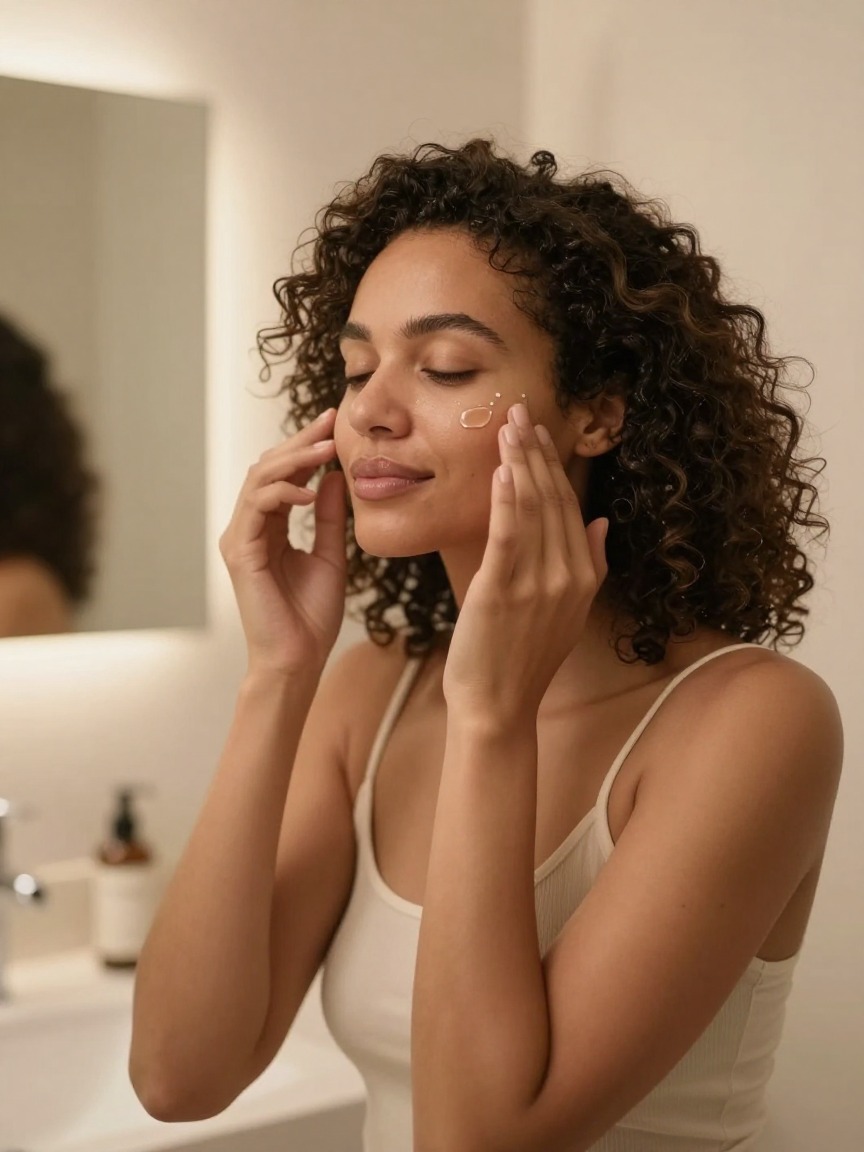
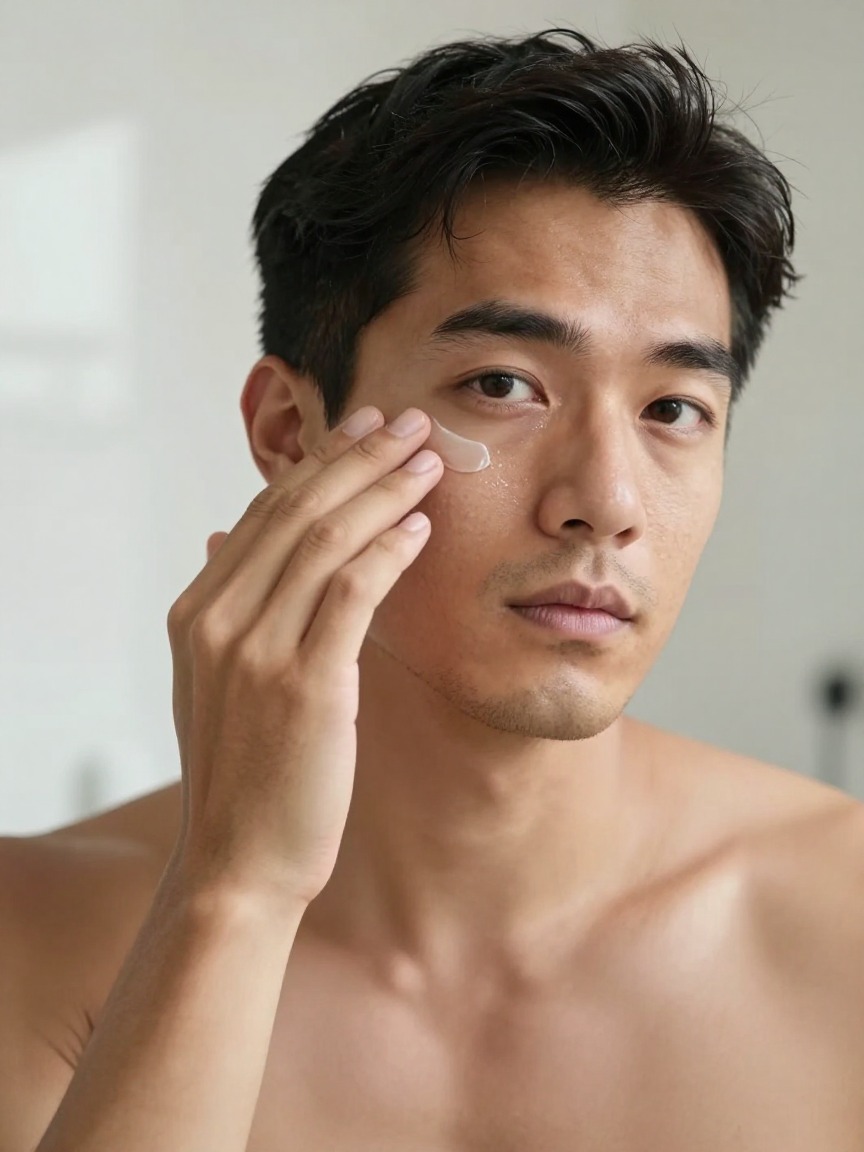
- Treat: one active ingredient, applied to clean, dry skin. That's a BHA like Paula's Choice's 2% Liquid Exfoliant, benzoyl peroxide, or adapalene.
- Moisturize: the same oil-free moisturizer, to offset any dryness the active ingredient causes.
That's the entire routine: three steps in the morning, three at night, with exactly one active ingredient doing the heavy lifting. No toner, essence, or five-serum stack is required to see real results.
Pea-Sized Amount & Product Amounts: How Much to Actually Use
More product doesn't mean faster results. With actives specifically, it usually just means more irritation. A pea-sized amount of adapalene, like Differin, covers the whole face. A dime-sized amount of cleanser is plenty for one wash. A nickel-sized amount of moisturizer covers face and neck without leaving a heavy film. For BHA or benzoyl peroxide, a thin, even layer — not a visible coating — is the target. Using more than the routine calls for is a common mistake. It's one of the top reasons a perfectly good product gets blamed for irritation it didn't actually cause.
Irritation, Purging & Skin Barrier: What to Expect, Week by Week
Acne actives are slow by design. Knowing the general timeline helps avoid quitting right before something would have started working.
- Weeks 1–2: mild dryness, redness, or a handful of new breakouts as skin adjusts. This purging phase is common and doesn't necessarily mean the product is wrong.
- Weeks 3–6: irritation typically settles as the skin barrier adjusts, and some early improvement in texture or breakout size may show up.
- Weeks 8–12: this is the realistic window for judging whether an active is actually working. New breakouts should be smaller, less frequent, and less inflamed.
If nothing has changed by the twelve-week mark despite consistent use, that's the point to reconsider the product or bring in a dermatologist. Don't add a second or third active on top of the first.
Adding a Second Active for Sensitive Skin
Once skin has tolerated one active for several weeks without ongoing irritation, a second can be added. Keep it on separate nights, not stacked on the same night. A common combination is adapalene most nights, with benzoyl peroxide reserved for spot treatment on active blemishes. For sensitive skin prone to clogged pores rather than inflamed breakouts, a BHA a couple of nights a week works well instead. Add one change at a time, and give it several weeks before judging it. A single active needs eight to twelve weeks for the same reason — it's the only reliable way to know what's actually helping.
Cystic Acne & When to See a Dermatologist
Some signs mean the next move isn't another product, but a dermatologist visit. Acne that's cystic, painful, or leaving scars is one sign. So are breakouts that haven't budged after three months of consistent OTC use, or a reaction that looks more like a rash or burn than typical purging. This routine is written by researchers and reviewers, not medical professionals. It's meant as a starting point for mild to moderate acne, not a replacement for a proper diagnosis when skin isn't responding the way it should.