










Actives for Acne: Order & Frequency (Salicylic Acid, Benzoyl Peroxide & Adapalene)
Which acne active you use matters less than most people assume. Salicylic acid, benzoyl peroxide, and adapalene are all reasonably well-evidenced. What actually determines whether a routine works or backfires is how those actives are sequenced, and how often they're used, especially in the first month or two.
Salicylic Acid & Benzoyl Peroxide: Alternating Nights or Using Them Together?
Not on the same night, at least not at first. Both are exfoliating or bacteria-reducing actives that dry and can irritate skin. Combining them multiplies that effect rather than the benefit. A more sustainable approach is alternating: salicylic acid one night, benzoyl peroxide another, with a plain moisturizer night in between if skin feels at all irritated. Once skin has built tolerance to both individually over several weeks, some people can use them on consecutive nights without issue. That's a later-stage move, though, not a starting point.
Benzoyl Peroxide & Adapalene: A Common but Careful Pairing
This combination is common in dermatology, but it needs care. Older formulations of benzoyl peroxide could break down adapalene and reduce its effectiveness when applied at the same time. That's why many dermatologists recommend benzoyl peroxide in the morning and adapalene at night, rather than layering them in one application. If both go on at night, apply benzoyl peroxide first, let it fully absorb, then apply adapalene several minutes later. Or, more simply, keep them on separate nights while skin is still adjusting to either one.
A Sample Weekly Schedule, Spot Treatment & Night Routine for Starting Out
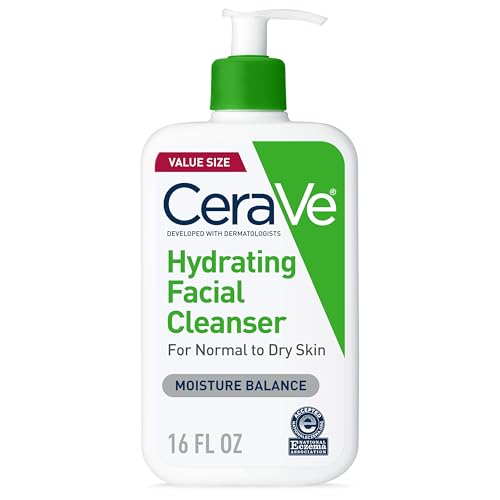
- Monday, Wednesday, Friday: cleanser, adapalene (like Differin), moisturizer.
- Tuesday, Thursday: cleanser, salicylic acid (BHA), moisturizer.
- Saturday, Sunday: cleanser, moisturizer only — a rest night for skin to recover.
Benzoyl peroxide can replace a BHA night as a spot treatment on active blemishes. Apply it only to the breakout itself, rather than the whole face, which limits irritation while still targeting where it's needed. Sunscreen still matters on rest days too — a non-comedogenic option like EltaMD's UV Clear works well under makeup.
Frequency, Skin Barrier & Purging: Ramping Up Without Irritation
New actives should start at two to three nights a week, not daily, regardless of what the label technically allows. If skin tolerates that well for two to three weeks, with no excess redness, flaking, or stinging, frequency can step up to every other night. Eventually it can go nightly if skin continues to tolerate it. Rushing this ramp-up is the single most common reason people quit an otherwise effective active, mistaking a temporary irritation phase for the product simply not being right for them.
Cleanser, Active Ingredient, Moisturizer: Layering Order Within the Routine
Within a single evening routine, the order is simple. Cleanser goes first. Then the active ingredient, applied to dry skin. Moisturizer comes last, once the active has had a few minutes to absorb. Applying moisturizer immediately after an active, with no gap, can dilute it before it's finished working. Waiting too long defeats the purpose of a routine that's meant to be quick and repeatable. A rough two-to-five-minute gap between active and moisturizer works for most people and most formulas, whether it's a CeraVe or a La Roche-Posay moisturizer.
Frequency, Not Product Choice: Diagnosing a Routine That Isn't Working
A surprising amount of "this product doesn't work for me" turns out to be a frequency problem rather than a formulation one. Either the active was introduced too fast and abandoned during the irritation phase, or it's being used too infrequently to build up any real effect. Before switching products entirely, check whether the actual issue is how often, and how carefully, an otherwise reasonable active is being used.
Sensitive Skin & When to See a Dermatologist
Significant burning, swelling, or a rash that spreads beyond where a product was applied is different from the mild dryness and flaking that come with normal adjustment. That calls for stopping the product and washing it off, not pushing through. A short break of a few days to let skin calm down, then restarting at a lower frequency, is usually enough to get back on track. Sensitive skin in particular benefits from this cautious restart. Reactions that keep recurring even at a low frequency are worth bringing to a dermatologist. So is anything that looks more severe than typical irritation, rather than continuing to self-adjust the schedule.