



Sebaceous Glands, Oily T-Zone & Dry Cheeks: Why They Behave So Differently
The T-zone — forehead, nose, and chin — carries a higher concentration of active sebaceous glands than the rest of the face. That's why it tends to run oilier, shine faster, and show larger, more visible pores. Cheeks and jawline generally have fewer active oil glands. In places, the skin there runs thinner too, which is why it's more prone to dryness, tightness, or reaction — especially to a cleanser or active dosed for the T-zone. This isn't a flaw in anyone's skin. It's simply how oil glands are distributed across the face, and it's the core reason a single product formulated for one zone rarely performs well on both.
Congestion & Pores: Reading What Each Zone Is Actually Telling You
A T-zone that's shiny by midday, with visible pores or the occasional blackhead across the nose, is asking for oil regulation and light exfoliation — not a full skin overhaul. Cheeks that feel tight after cleansing, show flaking near the nose or mouth, or react to a new product before the T-zone does, are asking for gentler cleansing and more consistent hydration. It's worth checking in with each zone separately, rather than judging the whole face by whichever area is currently most noticeable. A shiny T-zone doesn't mean the cheeks don't also need attention. Dry, flaky cheeks don't mean the T-zone has stopped producing oil.
Niacinamide & Multi-Masking: Building Two Micro-Routines Inside One Routine
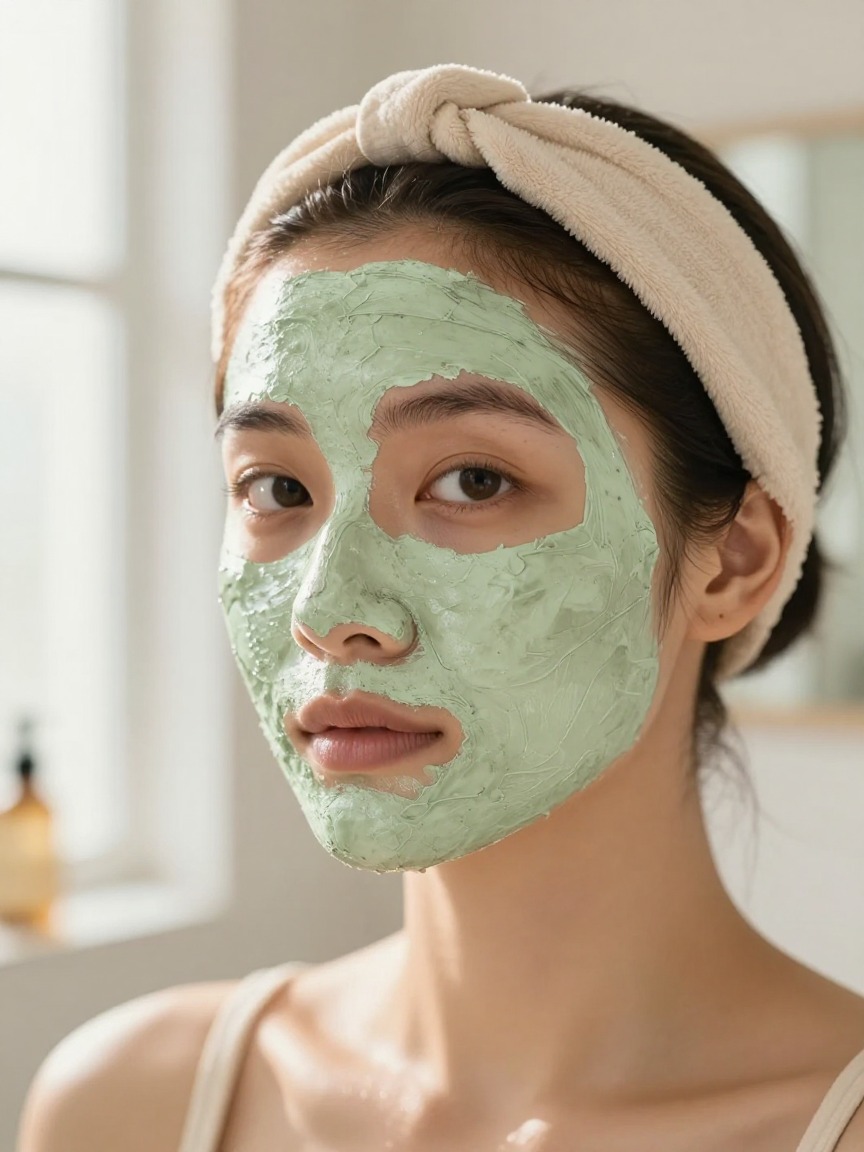
The most workable approach treats the base steps — cleanser, toner, niacinamide serum, moisturizer, sunscreen — as whole-face products. Choose them gentle and lightweight enough to suit both zones reasonably well. Then layer zone-specific treatment on top only where it's needed. That usually means a BHA or clay treatment reserved for the T-zone a few nights a week — the technique known as multi-masking. On those same nights, the cheeks get either nothing extra or a slightly richer moisturizer applied just there. This two-track approach avoids the two most common failure modes: treating the whole face like it's oily, which dries out the cheeks, or treating the whole face like it's dry, which clogs the T-zone.
Salicylic Acid (BHA), Clay Mask, Hyaluronic Acid & Ceramides: Matching Ingredients to Each Zone
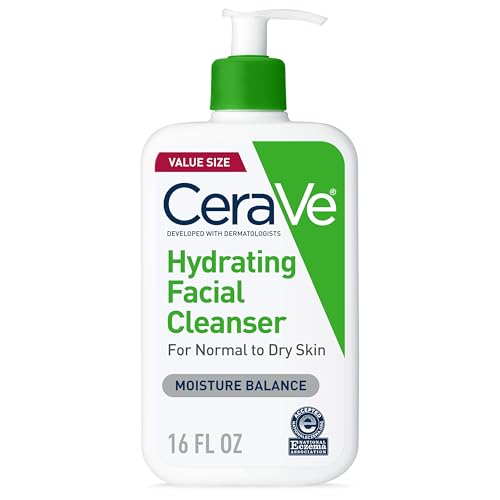
For the T-zone, salicylic acid (a BHA) is particularly useful. It's oil-soluble, so it can get down into congested pores in a way most other exfoliants can't. Clay masks work well too, as an occasional, T-zone-only treatment for absorbing excess oil. For the cheeks, hyaluronic acid and ceramides do more of the work. They draw in moisture and support the barrier without adding oil the way a heavier occlusive cream might — products like Neutrogena's Hydro Boost Water Gel or a CeraVe ceramide formula are built around exactly that job. Niacinamide is the ingredient that genuinely spans both zones well. It regulates T-zone oil while also supporting barrier function on the cheeks, which is why it's usually worth applying across the whole face rather than confining it to one area — The Ordinary's Niacinamide 10% + Zinc 1% is a common, affordable way to do that.
Zone-Specific Moisturizer Application & Oil-Free Sunscreen: How to Apply Products Differently
In practice, zone-specific application is less about buying separate product lines. It's more about adjusting how much of each product goes where. A moisturizer can go on in a thin layer across the T-zone and a slightly thicker layer on the cheeks. A BHA treatment, like Paula's Choice's 2% BHA Liquid Exfoliant, can be swiped with a cotton pad only across the forehead, nose, and chin — not the whole face. Sunscreen is one of the few steps that should stay uniform across the whole face, for even protection. Still, an oil-free, mattifying formula tends to suit the T-zone better, without meaningfully under-hydrating the cheeks.
Mattifying Formulas & Signs the Balance Is Off
A T-zone that's gotten shinier or more congested despite a consistent routine often means too much richness is reaching it. A moisturizer swap, or a lighter hand with a T-zone treatment, can help — a mattifying sunscreen like La Roche-Posay's Anthelios Clear Skin Dry Touch is worth checking too. Cheeks that stay tight, flaky, or irritated despite consistent moisturizing often mean cleansing is too harsh, or a T-zone-targeted active is drifting further across the face than intended. Combination skin shifts with weather, hormones, and even the products already in the routine. It's worth treating this balance as something to periodically reassess, rather than a fixed setting to establish once.