Skip to content
Routines & Skin Concerns · Ranked roundup

Best Skincare Routine for Combination Skin of 2026

Combination skin means two different needs on one face: an oily, shine-prone T-zone, and drier, sometimes flaky cheeks. Matching products to a role — not just a skin type — works better than a one-size routine. Below is one strong pick for each of the core steps a combination-skin routine actually needs, from a gentle gel cleanser through to a sunscreen that won't clog the T-zone by noon. Start with these picks. Then adjust how much goes where: more moisture on the cheeks, more oil control at the T-zone, based on what your skin tells you week to week.

Affiliate disclosure: We may earn a commission from qualifying purchases made through links on this page, at no extra cost to you. Some links on this page are affiliate links.

The full lineup

One strong pick for every step

Cleanser #1
Foaming Facial Cleanser
Combination skin that needs oil removed from the T-zone without over-drying the cheeks

Cleanser — CeraVe Foaming Facial Cleanser

CeraVe

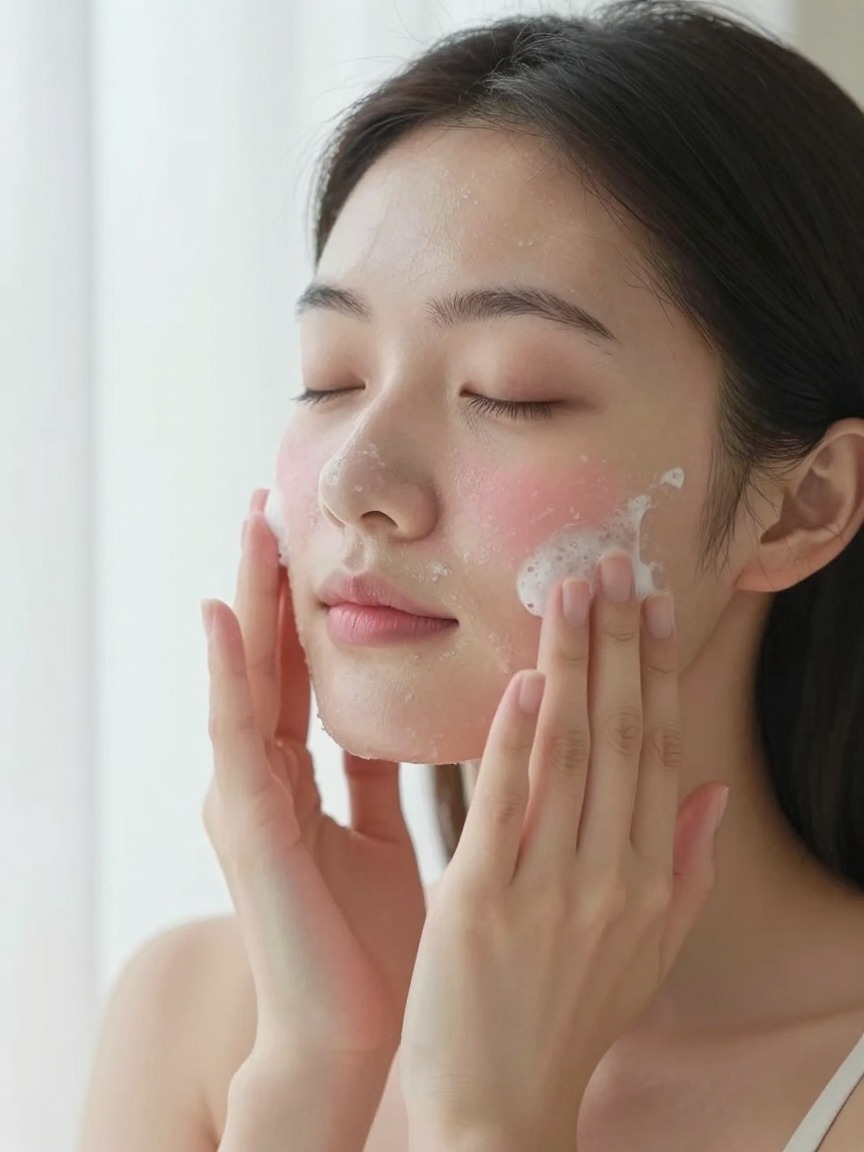
A gel-to-foam formula with ceramides and niacinamide. It clears excess oil while supporting the skin barrier. Many foaming cleansers strip skin instead — this one doesn't.

Ceramide and niacinamide formula supports the skin barrier while cleansing
Gel-to-foam texture removes T-zone oil without a tight, stripped feeling on the cheeks
Fragrance-free and non-comedogenic
Doesn't fully remove heavy sunscreen or makeup on its own — may need a first cleanse or micellar water on those days
Toner #2
Toner — Paula's Choice Skin Balancing Pore-Reducing Toner
Anyone whose T-zone gets shiny and congested by midday but whose cheeks still need gentle care

Toner — Paula's Choice Skin Balancing Pore-Reducing Toner

Paula's Choice

Formulated for combination and oily-prone skin. It refines the look of pores. It manages midday oil without the alcohol-heavy sting of older-style toners.

Alcohol-free formula avoids the over-drying effect of traditional astringent toners
Helps refine the appearance of enlarged pores in the T-zone
Lightweight enough to layer under serum and moisturizer
Results on pore appearance are temporary and cosmetic, not a permanent change to pore size
Niacinamide Treatment #3
Niacinamide 10% + Zinc 1%
Combination skin that wants one serum to help balance oil across the whole face, not just the T-zone

Niacinamide Treatment — The Ordinary Niacinamide 10% + Zinc 1%

The Ordinary

Niacinamide is one of the best-evidenced ingredients for regulating oil production. It also supports barrier function at the same time — exactly the dual job combination skin needs.

Well-studied ingredient for oil regulation and barrier support
Affordable enough to use consistently, which matters more than concentration for niacinamide
Lightweight, fast-absorbing formula that layers well under moisturizer
The 10% concentration and zinc can feel slightly drying on some cheeks — patch test before applying it nightly over the entire face
Moisturizer #4
Moisturizer — Neutrogena Hydro Boost Water Gel
Combination skin that needs real hydration on the cheeks without adding oil to the T-zone

Moisturizer — Neutrogena Hydro Boost Water Gel

Neutrogena

A hyaluronic acid gel that hydrates without a heavy, occlusive feel. It's generally a better fit for combination skin than a traditional cream.

Oil-free gel texture hydrates without adding shine to the T-zone
Hyaluronic acid formula supports drier cheek areas without feeling heavy
Non-comedogenic and fragrance-free
Gel texture may not be rich enough for cheeks that run genuinely dry rather than just combination-normal — a thin layer of richer cream on those spots alone can help
T-Zone Treatment #5
Skin Perfecting 2% BHA Liquid Exfoliant
Spot-treating an oily, congested T-zone without over-exfoliating the rest of the face

T-Zone Treatment — Paula's Choice 2% BHA Liquid Exfoliant

Paula's Choice

Salicylic acid is oil-soluble. That lets it get into clogged T-zone pores in a way water-soluble exfoliants can't. It can also be applied only where oil and congestion are actually a problem.

Well-studied salicylic acid formula effective on blackheads and congested pores
Can be applied only to the T-zone, avoiding over-exfoliation of drier cheek areas
Leave-on formula requires no rinsing, easy to fold into a nightly routine
Can cause dryness or irritation if applied to the entire face rather than spot-treated to the T-zone
SPF #6
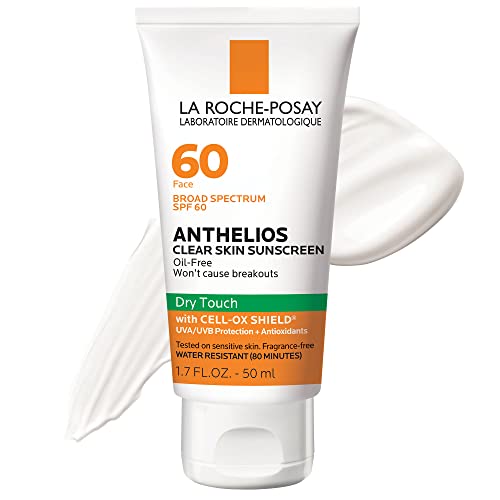
Anthelios Clear Skin Oil-Free Sunscreen SPF 60
Combination and oily-prone skin that needs sun protection without a greasy T-zone by noon

SPF — La Roche-Posay Anthelios Clear Skin Dry Touch Sunscreen SPF 60

La Roche-Posay

A dry-touch, oil-free formula built for oily and combination skin. It mattifies the T-zone rather than undoing the routine's balance.

Oil-free, mattifying finish suited to an oily T-zone
Broad-spectrum SPF 60 protection
Non-comedogenic and lightweight enough for daily wear under makeup
Mattifying formula can feel slightly less hydrating on cheeks that run drier — worth applying a touch of extra moisturizer underneath there

Product prices and availability are accurate as of the date/time indicated and are subject to change. Any price and availability information displayed at the time of purchase will apply to the purchase of this product.

How we chose the best skincare routine for combination skin

Every product here is judged on our five-part rubric — formulation quality, the strength of the evidence behind its key actives, texture and daily wearability, value, and the pattern of real long-term user experience. We don’t publish fabricated star ratings, and we flag at least one honest downside on every pick. Anything genuinely medical is referred to a dermatologist.

Full methodology

What to look for in skincare routine for combination skin

Oily T-Zone vs. Dry Cheeks: What Combination Skin Actually Needs

Combination skin means two different needs live on one face. The T-zone — forehead, nose, and chin — runs oilier, with visible pores and midday shine. Cheeks and jawline run drier, tighter, or more balanced. Most routines make one mistake: they pick a single skin type and apply it everywhere. A rich, oil-heavy moisturizer suits the cheeks but clogs the T-zone. An oil-control gel suits the T-zone but leaves cheeks flaky. The better approach uses flexible products across the whole face, then adjusts how much — and where — each one goes.

Niacinamide for Sebum Production and Barrier Support

Niacinamide is the single most useful ingredient for combination skin. It works in both directions at once: it helps regulate sebum production in a shiny T-zone, and it supports the skin barrier in drier areas. Few ingredients manage both jobs at once. That's why niacinamide belongs across the whole face, not just one zone.

Hyaluronic Acid, Ceramides & the Gel Moisturizer Advantage

A lightweight, water-based or gel moisturizer generally beats a heavy cream across the whole face. Hyaluronic acid draws moisture into drier cheeks without adding oil to the T-zone. Ceramides support the skin barrier at the same time. A gel moisturizer hydrates evenly, without the heaviness a traditional cream brings to an oily T-zone.

Gel Cleanser and Alcohol-Free Toner: Getting the Base Steps Right

A gentle, non-stripping gel cleanser matters more than people expect. A harsh foaming cleanser clears T-zone oil, but it also strips the cheeks. Stripped skin often produces even more oil to compensate. An alcohol-free, balancing toner works better than a harsh astringent for the same reason: astringents over-dry cheeks while barely touching T-zone oil.

Clay Masks, Multi-Masking & Building a Routine Around Two Zones

  • Cleanser: a gel or gel-foam formula that clears oil and buildup without leaving cheeks tight or stripped.
  • Toner: an alcohol-free, balancing formula rather than a harsh astringent.
  • Treatment: niacinamide, applied across the whole face rather than spot-treated.
  • Moisturizer: lightweight and gel-based, layered a little heavier on drier cheeks.
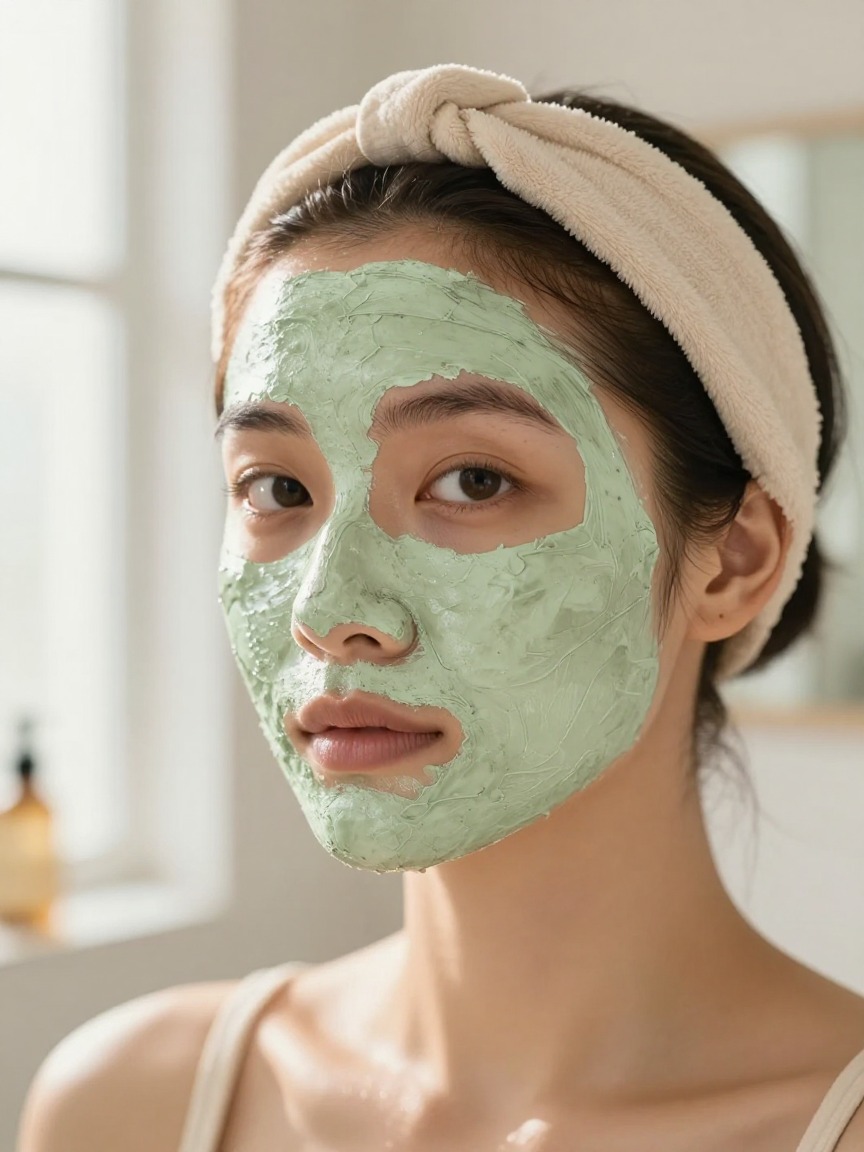
  • Targeted care: a BHA or clay mask used only on the T-zone — a technique called multi-masking — to treat oil and congestion without over-treating balanced or dry areas.
  • SPF: an oil-free, non-comedogenic sunscreen; a mattifying formula helps if the T-zone breaks through by midday.

Salicylic Acid (BHA) Spot-Treating for an Oily T-Zone

A BHA like salicylic acid is oil-soluble. That lets it reach into congested T-zone pores in a way other exfoliants can't. Used only on the T-zone, it treats oil and congestion without over-drying already-balanced or dry cheeks. This spot-treating approach, sometimes paired with a clay mask, is the core idea behind multi-masking.

Mattifying, Non-Comedogenic Oil-Free Sunscreen for the T-Zone

Skipping SPF is a common mistake once a moisturizer already feels like enough. An oil-free, non-comedogenic sunscreen exists specifically for this skin type. A mattifying formula is worth seeking out for anyone whose T-zone breaks through by midday. It protects skin without undoing the balance the rest of the routine works toward.

Pores, Oil Control & Mistakes That Make Combination Skin Harder to Manage

The most common mistake treats the whole face as one zone. Over-stripping it for oil control dries out the cheeks and can trigger more oil production. Over-moisturizing it to comfort the cheeks clogs the T-zone and enlarges pores. Layering too many actives at once — a niacinamide serum, a BHA, and a retinoid in the same week — can also destabilize a routine that was otherwise working. Persistent T-zone breakouts, or cheek dryness that doesn't respond to a lightweight moisturizer, are reasonable signs to check in with a dermatologist rather than keep swapping products.

Matching picks to two zones on one budget

Combination skin rewards flexible, mostly affordable products used differently across the face rather than two full separate routines. A gentle gel or foaming cleanser in the CeraVe mold clears T-zone oil without stripping the cheeks; a whole-face niacinamide serum like The Ordinary’s balances both zones from one bottle; and a lightweight gel moisturizer such as Neutrogena’s Hydro Boost hydrates cheeks without weighing down the T-zone. The genuinely zone-specific buy is a leave-on BHA in the Paula’s Choice mold, used only where you’re congested. An alcohol-free balancing toner and an oil-free, mattifying SPF round it out. Spend where a formula does a real second job; save on the basics, which drugstore lines handle well.

Skincare Routine for Combination Skin: your questions, answered

What is the best routine for combination skin?
How do you treat combination skin?
Should combination skin use different products on different areas?

Related products & guides

Routines & Skin ConcernsBest Skincare Routine Order & Steps

See our ranked picks and buying guide.

Routines & Skin ConcernsBest Skincare Routine for Oily Skin

See our ranked picks and buying guide.

Routines & Skin ConcernsBest Skincare Routine for Dry Skin

See our ranked picks and buying guide.

Routines & Skin ConcernsBest Skincare Routine for Sensitive Skin

See our ranked picks and buying guide.

Routines & Skin ConcernsBest Skincare Routine for Acne-Prone Skin

See our ranked picks and buying guide.

Routines & Skin ConcernsBest Anti-Aging Skincare Routine

See our ranked picks and buying guide.