
Skip to content
Skincare Routine for Beginners · Deep dive

Adding Actives One at a Time

The One-at-a-Time Rule, and Why It Actually Matters

Once a minimalist core routine has been stable for a few weeks, the next step for most beginners is adding an active ingredient — something formulated to actively change the skin, not just clean and hydrate it. The single most important rule at this stage is introducing exactly one new active at a time, with real spacing before the next. It's a slower approach. But it's the only way to know what's actually working, and what's causing a reaction if one shows up.

Why Adding Niacinamide, an Exfoliant & Retinoid at Once Backfires

Say you start a niacinamide serum, a new exfoliant, and a retinoid in the same week. If your skin reacts, there's no way to know which one caused it. You also can't rule out the combination itself. That usually leads to abandoning all three products, including ones that might have worked fine on their own. Or worse, it leads to layering on more products trying to "fix" a reaction that a single ingredient is actually causing.

A Sensible Order: Niacinamide, Salicylic Acid, Lactic Acid & Retinization

There's no single correct order, but a reasonable, low-risk sequence looks like this. Start with niacinamide, like The Ordinary's, which is broadly tolerated and addresses oiliness and tone. Next, try a low-strength chemical exfoliant, like a 2% salicylic acid from Paula's Choice or a mild lactic acid, used two to three times weekly. Only once skin has shown it tolerates gentle exfoliation, consider a retinoid. Retinoids are more likely to cause initial dryness or flaking, a process sometimes called "retinization," and need the most gradual introduction of any common active.

How to Patch Test for Irritation & Sensitivity Before Full-Face Use

Apply a small amount of the new product to your inner forearm or just behind the ear, once daily, for three to five days. Check for redness, itching, or bumps as signs of irritation or sensitivity. This isn't a perfect predictor, since facial skin can behave differently, but it catches the more obvious reactions before they show up somewhere visible. Skip this step, and you're effectively patch testing on your whole face at once.

How Long to Wait for Tolerance Between New Actives

Give each new active two to four weeks on its own before adding the next one. That's enough time to notice benefits, like less oiliness or smoother texture. It's also enough time to spot problems, like persistent redness, breakouts that don't settle, or ongoing dryness. Building real tolerance takes that full window, not a few days. If a reaction does show up, stop the newest product first, not the whole routine, and give skin a few days to settle before trying it again at a lower frequency.

Combinations to Avoid: Retinoid, Exfoliant & Sunscreen Timing

  • Retinoids and exfoliating acids on the same night can compound dryness and irritation for beginner skin — many routines alternate them on different nights instead
  • Multiple exfoliants, like a physical scrub plus a chemical exfoliant, risk over-exfoliating, even if each product alone would be fine
  • A new active layered under a new sunscreen, like switching to La Roche-Posay at the same time you start a retinoid, makes it hard to tell which product is behind any irritation, since both are new variables

Signs of Over-Exfoliation: Dryness, Redness & Purging

Persistent stinging is one common sign an active was added too aggressively. So is a shiny or "raw" look, a rough or sandpapery texture, and increased sensitivity to products that were previously fine. This differs from purging, where short-term breakouts appear as skin cell turnover speeds up. The response isn't to add a soothing product on top. Instead, pause the newest active, simplify back to the core routine for a week or two, and reintroduce it more slowly once skin has recovered.

Tracking Breakouts & When to See a Dermatologist

A basic note on your phone — product name and the date you started it — is enough to track what's new in your routine and when. It sounds unnecessary, until you're three products deep and can't remember whether redness or breakouts started before or after the most recent addition. This single habit makes it far easier to identify a cause if something goes wrong, and to know when it's genuinely time to see a dermatologist rather than keep adjusting products alone.
You may be interested in

Popular picks from related categories, chosen with the same rubric.

Editor's Pick #1
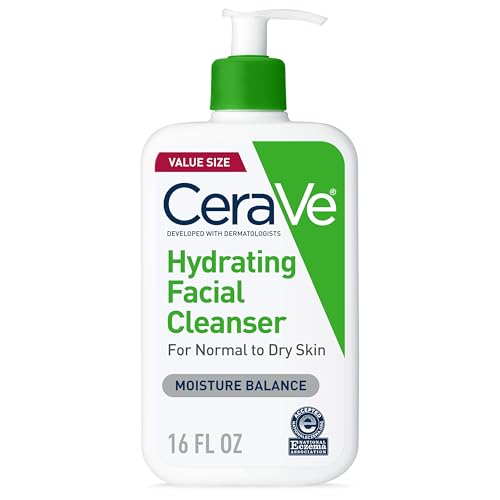
Hydrating Facial Cleanser
Dry-to-normal sensitive skin, especially anyone also using retinoids or other actives

Hydrating Facial Cleanser

CeraVe

It's formulated with three ceramides, hyaluronic acid, and a National Eczema Association seal. Dermatologists mention it most often for reactive skin. It's a genuinely non-foaming, low-irritation formula that doesn't strip the barrier.

Ceramide and hyaluronic acid formula supports the skin barrier while cleansing
Fragrance-free, non-foaming, and won't disrupt a compromised moisture barrier
Budget-friendly per ounce and widely available at drugstores
Doesn't fully dissolve heavy sunscreen or long-wear makeup on its own, so double-cleansing days may need a micellar water or oil-based first step
Best Value #2
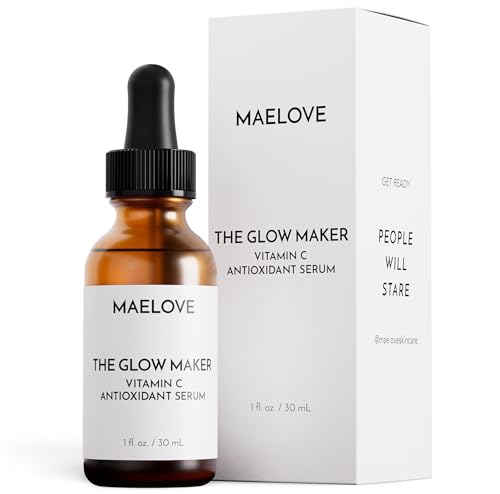
Glow Maker
Readers who want a well-formulated L-ascorbic acid serum without the prestige price tag

Glow Maker

Maelove

It leans on similar formulation logic to pricier serums: L-ascorbic acid plus vitamin E and ferulic acid. It costs a fraction of the price. That's why it's often called an affordable alternative to the prestige options.

Combines L-ascorbic acid with vitamin E and ferulic acid, echoing higher-end formulas
Opaque pump bottle helps limit light and air exposure
Noticeably cheaper per ounce than most L-ascorbic acid serums of similar formulation
The pump can dispense unevenly or feel like it needs priming, a minor but frequently mentioned annoyance
Editor's Pick #1
Moisturizing Cream
Normal to dry skin that wants a dermatologist-developed, fragrance-free daily moisturizer

CeraVe Moisturizing Cream

CeraVe

It pairs three essential ceramides with hyaluronic acid in a rich, fragrance-free base. Long-term users with dry, compromised skin consistently praise it. It's also inexpensive enough to use liberally.

Ceramide + hyaluronic acid formula supports the skin barrier
Fragrance-free and well-tolerated by sensitive skin
Large jar size makes it very cost-effective per ounce
The tub packaging means dipping fingers into the product, which isn't ideal for hygiene or portability
Editor's Pick #1
UV Clear Broad-Spectrum SPF 46
acne-prone, sensitive, or post-procedure skin that needs a dermatologist-trusted daily option

UV Clear Broad-Spectrum SPF 46

EltaMD

Dermatologists reach for EltaMD more than almost any other sunscreen. It pairs broad-spectrum zinc oxide protection with niacinamide and hyaluronic acid. The oil-free base is genuinely weightless and layers well under makeup.

Broad-spectrum SPF 46 with zinc oxide
Oil-free, non-comedogenic formula favored for acne-prone skin
Contains niacinamide and hyaluronic acid for added hydration
Pricier per ounce than most drugstore sunscreens, and the pump makes it easy to under-apply if you're not deliberate about the amount.
Editor's Pick #1
Super Volcanic Pore Clay Mask 2X
oily, pore-prone skin that wants a formula built specifically around pore congestion

Super Volcanic Pore Clay Mask 2X

innisfree

Two types of volcanic clay target sebum and blackheads. The texture isn't chalky or hard to remove like older clay formulas. It's also genuinely affordable for how often you'll reach for it.

Lightweight, non-cakey texture that spreads and rinses easily
Visibly reduces the look of congested pores after a single use
Priced low enough to use regularly without guilt
The mineral scent is noticeable and won't appeal to everyone
Editor's Pick #1
Skin Perfecting 2% BHA Liquid Exfoliant
Anyone dealing with clogged pores, blackheads, or rough, bumpy texture who wants an evidence-backed exfoliating toner

2% BHA Liquid Exfoliant

Paula's Choice

It's built around a well-studied 2% salicylic acid concentration at an effective pH. The base is fragrance-free and alcohol-free. That combination is why it's stayed a favorite among ingredient-focused shoppers for years, rather than fading as a trend.

2% salicylic acid at a pH that actually works
Fragrance-free and alcohol-free formula
Noticeably improves texture and blackheads with consistent use
The active concentration can cause redness or flaking in the first couple of weeks, so it's not the easiest starting point for very reactive or rosacea-prone skin

Affiliate disclosure: We may earn a commission from qualifying purchases made through links on this page, at no extra cost to you. Some links on this page are affiliate links.