Cleanser, Moisturizer & Broad-Spectrum Sunscreen: The 3-Product Core
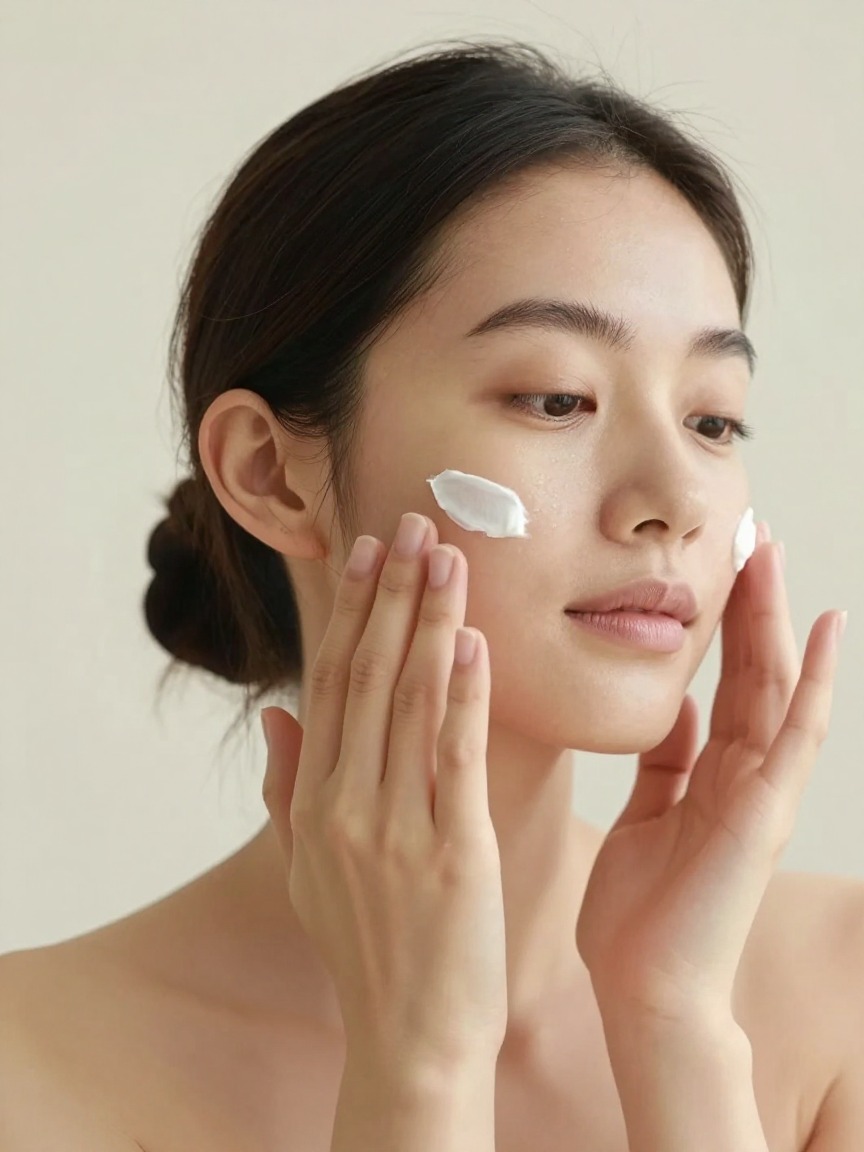
A beginner routine needs exactly three products: a gentle cleanser, a basic moisturizer, and a broad-spectrum SPF 30+ sunscreen for daytime. Together they cover the fundamentals — removing dirt and oil, replacing the water and lipids a cleanser takes out, and protecting against the biggest driver of visible skin aging. Everything else (serums, exfoliants, eye creams, retinoids) is an addition, not a requirement. Adding several at once is the most common reason beginners end up irritated with no idea which product caused it.
Choosing a Fragrance-Free Cleanser for Sensitive Skin
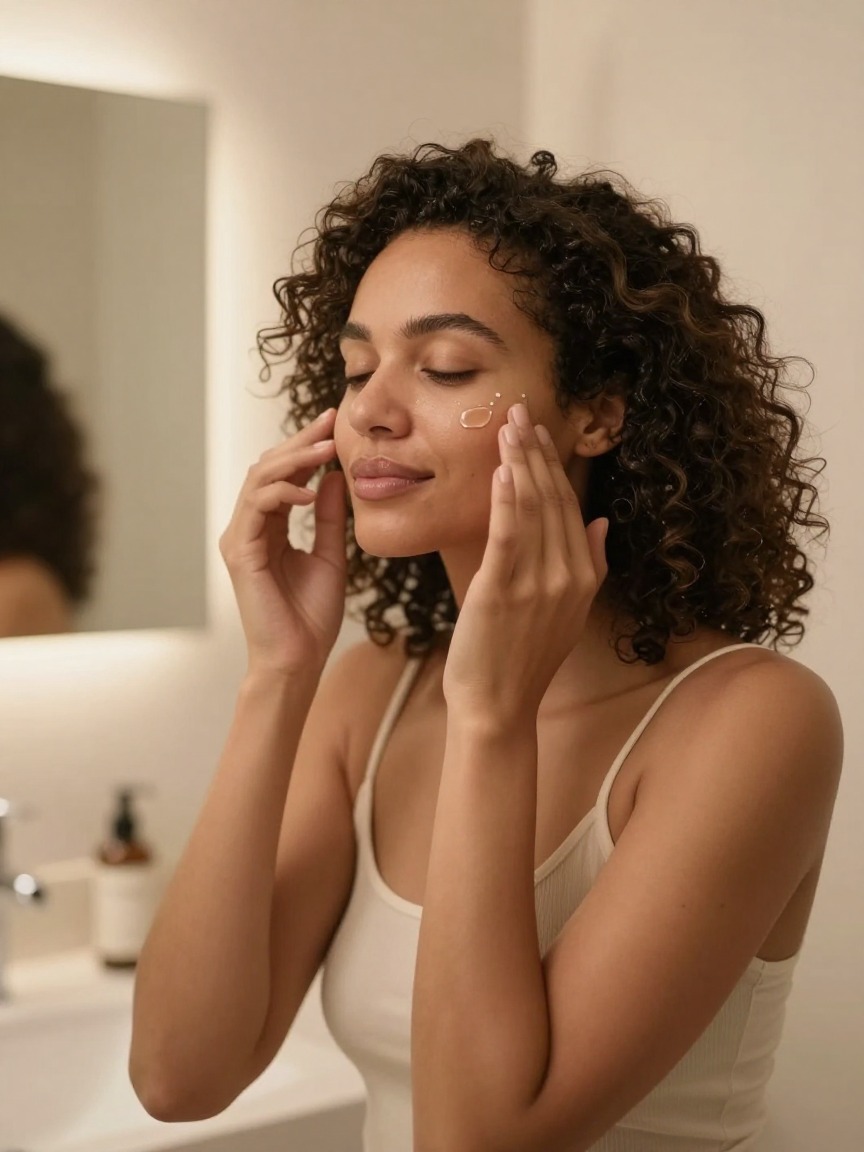
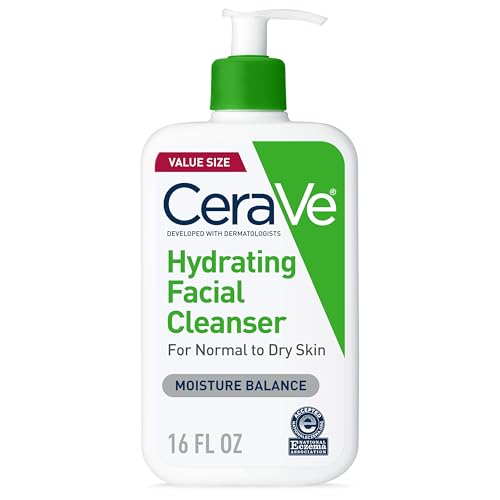
Cleanser: fragrance-free, non-foaming or gently foaming, sulfate-free. Its only job is to remove buildup without stripping the skin barrier. That matters even more for sensitive skin, where a harsh cleanser can trigger redness fast.
Ceramide & Hyaluronic Acid Moisturizers for Oily, Dry & Combination Skin
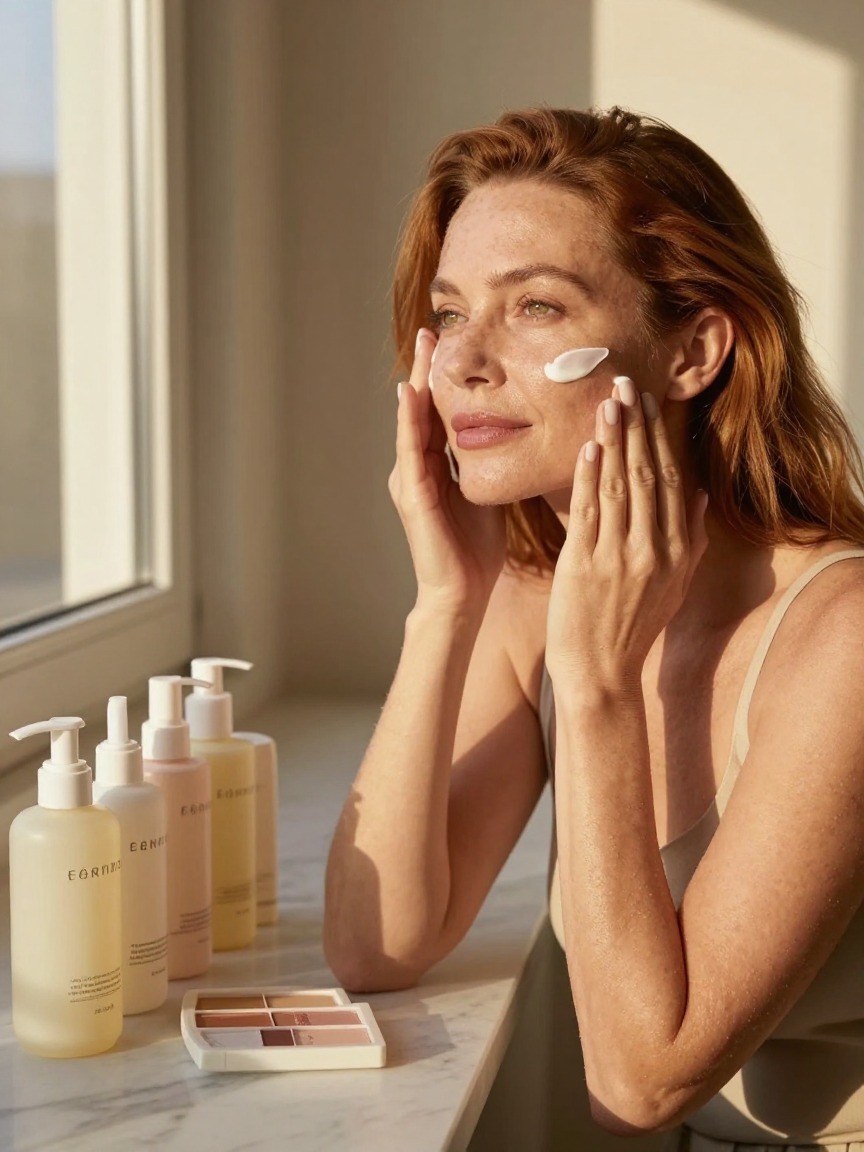
Moisturizer: a simple formula built on ceramides, glycerin, or hyaluronic acid. Lighter lotions suit oily or combination skin. Richer creams suit dry skin.
Skin Barrier Health: Why SPF and Consistency Beat Product Count
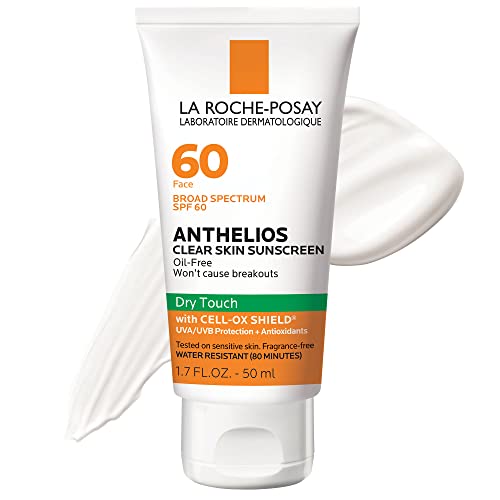
Sunscreen: broad-spectrum SPF 30 or higher, worn daily regardless of weather. Mineral and chemical filters both work — the best sunscreen is the one you'll actually reapply.
The biggest lever in a beginner routine isn't which specific products you buy. It's using the right ones, in the right order, every day, for long enough to see results. Skin generally needs four to six weeks to show change, closer to eight to twelve for texture or tone shifts. Switching products every week makes it nearly impossible to tell what's actually helping your skin barrier.
Adding Niacinamide, Salicylic Acid Exfoliants & Your First Retinoid
Once the 3-product core has run the whole routine for a few weeks and skin feels calm and stable, it's time to consider one addition — never several at once. A hydrating, oil-balancing serum like niacinamide is usually the gentlest first step. A mild salicylic acid exfoliant comes next, used only two or three times a week to start. A retinoid comes later still, once skin has built some tolerance, since it's more likely to cause dryness or flaking. An eye cream is genuinely optional — more about preference than correcting a specific problem.
How to Buy a Starter Set Without Overspending
A beginner's advantage is that the three core products are the category where price and quality diverge least. A fragrance-free CeraVe cleanser and lotion cost a fraction of prestige equivalents and do the same fundamental job. Put the money you save toward the one step where feel drives whether you keep using it: sunscreen. A La Roche-Posay-style facial SPF that doesn't pill or leave a cast is worth paying a little more for, because the best sunscreen is the one you'll reapply.
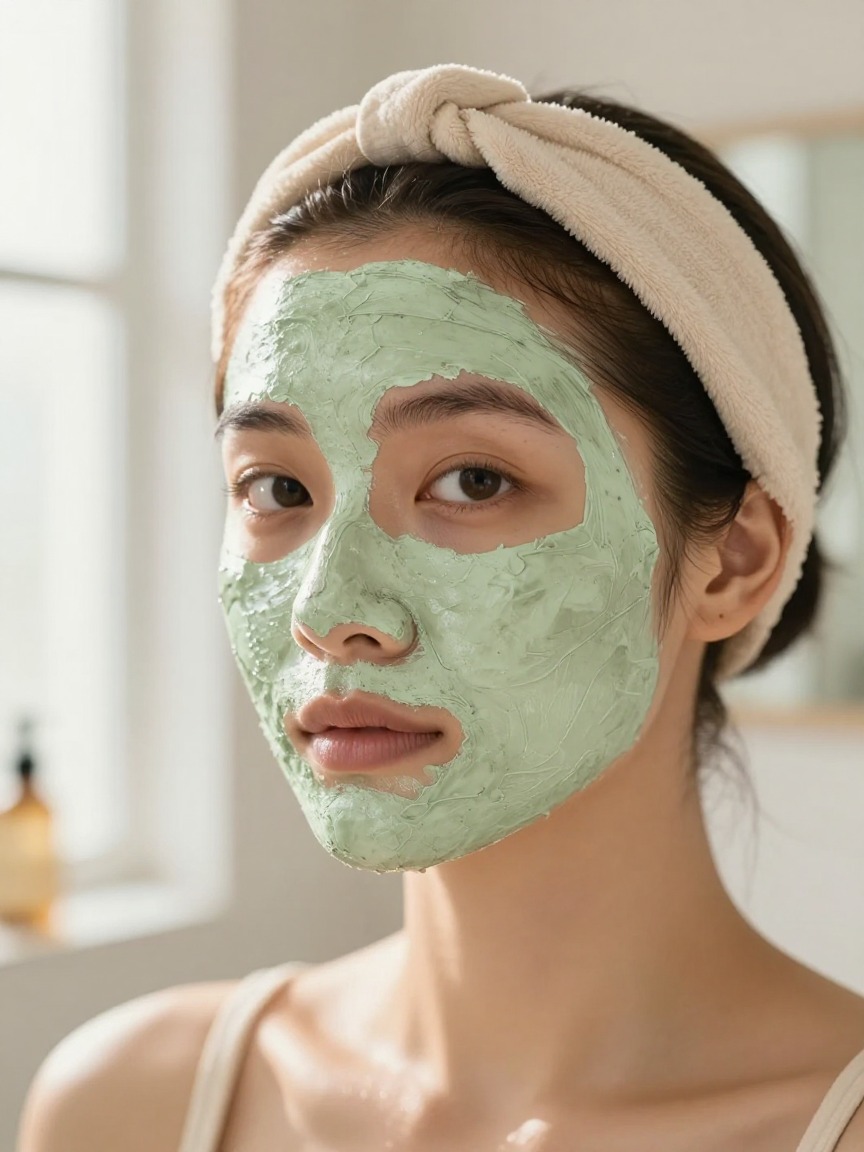
Resist buying a bundled "routine kit." Kits often pad the price with steps a beginner doesn't need yet — a toner, an eye cream, a mask — and lock you into one brand before you know how your skin reacts. Buying three products individually costs less and lets you replace any single one that doesn't suit you.
Reading the Label Instead of the Front of the Box
"Dermatologist-tested," "clean," and "gentle" aren't regulated terms and tell you little. What matters is the ingredient list: a short one, fragrance near the bottom or absent, and recognizable humectants like glycerin. When you're ready for a first active, choose one — a niacinamide serum like The Ordinary's is a forgiving starting point — rather than a "brightening" or "anti-aging" complex that hides several actives in one bottle. A Paula's Choice-style BHA can wait until that first active is a comfortable habit. Where a brand offers a mini or travel size, that's the cheapest way to confirm a product suits your skin before you commit to the full size.
Common Beginner Mistakes & the Patch-Test Habit
- Starting with a 7-step routine and adding several actives in the same week
- Skipping sunscreen on cloudy days or when staying "mostly indoors"
- Judging a product's results after a few days instead of a full month
- Combining strong actives, like a retinoid and an exfoliating acid, before skin has built tolerance to either alone
- Skipping a patch test on sensitive or reactive skin before trying a new active on the full face
- Chasing routines seen on social media instead of what suits your own skin type and budget
This is general education, not personalized medical advice. If you have persistent acne, eczema, rosacea, or another diagnosed skin condition, a dermatologist can build a routine around your specific needs far more precisely than any generic starter kit.