









Night Routine for Oily Skin
Evenings are where the actual treatment work happens. By the end of the day, oily skin is carrying sebum, sunscreen, makeup, and environmental buildup. This is also the one time of day skin can handle a stronger active without worrying about sun sensitivity.
Step 1: Double Cleanse — Oil Cleanser, Micellar Water & Your Regular Cleanser
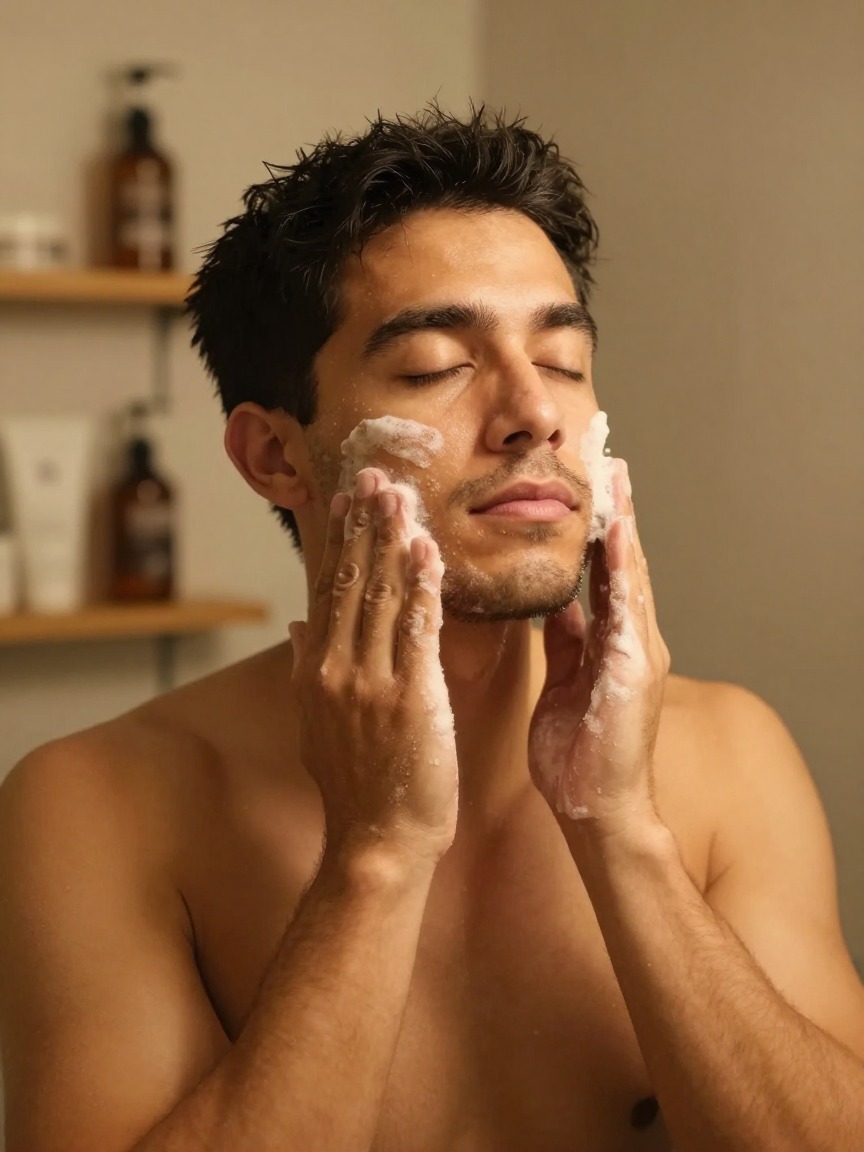
A single water-based cleanser often isn't enough to fully remove sunscreen, especially mineral or heavier chemical formulas. An oil cleanser or micellar water first, followed by the regular gel or foaming cleanser, does a more thorough job. There's no need to scrub harder or cleanse longer with one product. If the day was makeup- and sunscreen-free, a single cleanse is usually enough.
Step 2: Exfoliate With a BHA (Salicylic Acid) — But Not Every Night
This is where a leave-on BHA, or salicylic acid, such as Paula's Choice Skin Perfecting 2% BHA Liquid Exfoliant, earns its place. It's oil-soluble, so it can work inside a clogged pore rather than just on the surface. Most oily, acne-prone skin does better starting at two to three nights a week rather than nightly. On non-BHA nights, this step is simply skipped. It doesn't need to be replaced with something else.
Step 3: Niacinamide or a Retinoid Treatment Serum
Niacinamide can go in the evening instead of, or in addition to, the morning. That works well for anyone who prefers to keep mornings to the bare minimum. If a retinoid is part of the routine, it typically goes on a different night than the BHA. Combining two exfoliating actives in one session raises irritation risk significantly. Alternating nights, or using one active in the morning and the other at night, tends to work better.
Step 4: Moisturizer — Calming Irritation After Actives
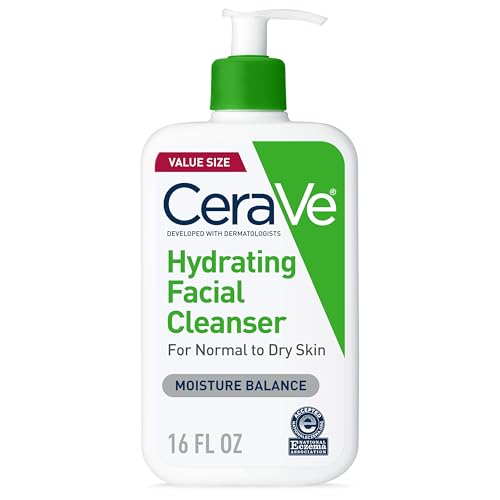
A night moisturizer, ideally a ceramide-rich formula like CeraVe's, can be very slightly richer than the morning version, since there's no sunscreen layering to worry about. But "richer" for oily skin still means oil-free and non-comedogenic, not a heavy cream. This step matters even more on BHA or retinoid nights, since both actives cause irritation and dryness regardless of how oily the skin is underneath.
Once or Twice a Week: A Clay Mask
A bentonite or kaolin clay mask, like Aztec Secret's Indian Healing Clay, makes a good addition on a non-acid night. Layering clay and a leave-on BHA in the same routine tends to over-dry skin. Fifteen minutes is usually enough — leaving clay on until it's fully dry and cracking pulls more moisture from the skin than it needs, and can leave oily skin more reactive rather than less.
What to Skip at Night
Sunscreen, obviously, is a morning-only step. Vitamin C, which some people use in the morning as an antioxidant layer, is also more commonly used in the AM. Some formulas are stable enough for night use — this comes down to the specific product rather than a hard rule.
Common Night Routine Mistakes
- Using a BHA and a retinoid, or a BHA and a clay mask, on the same night
- Skipping moisturizer after an acid or retinoid step because skin already feels oily
- Not double cleansing on days with sunscreen or makeup, leaving residue that can contribute to clogged pores overnight
- Introducing a new active (BHA, retinoid, or both) too quickly instead of building up frequency over several weeks
A Simple Weekly Structure
A workable pattern for oily, acne-prone skin looks like this: cleanse and moisturize every night, BHA on three non-consecutive nights, a clay mask on one of the remaining nights, and the rest kept simple. This isn't a rigid formula. It's a starting structure to adjust based on how skin actually responds over several weeks.