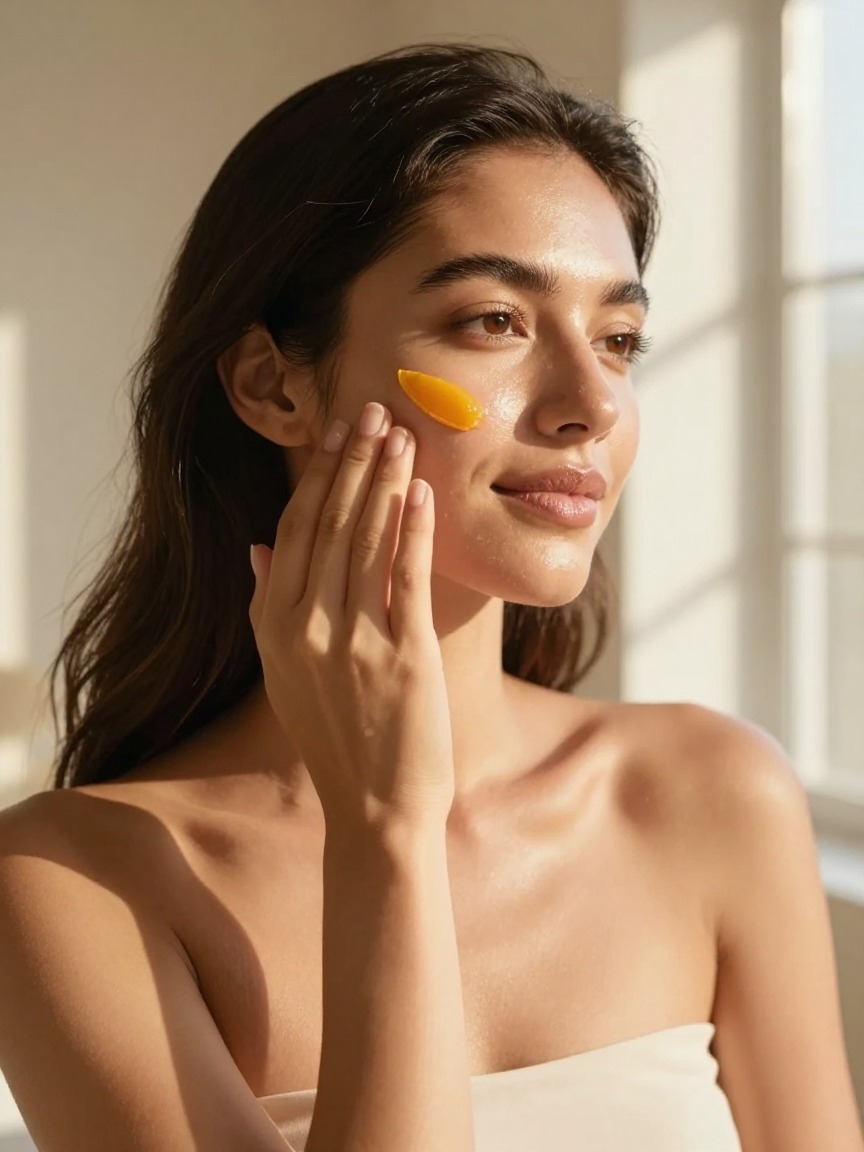
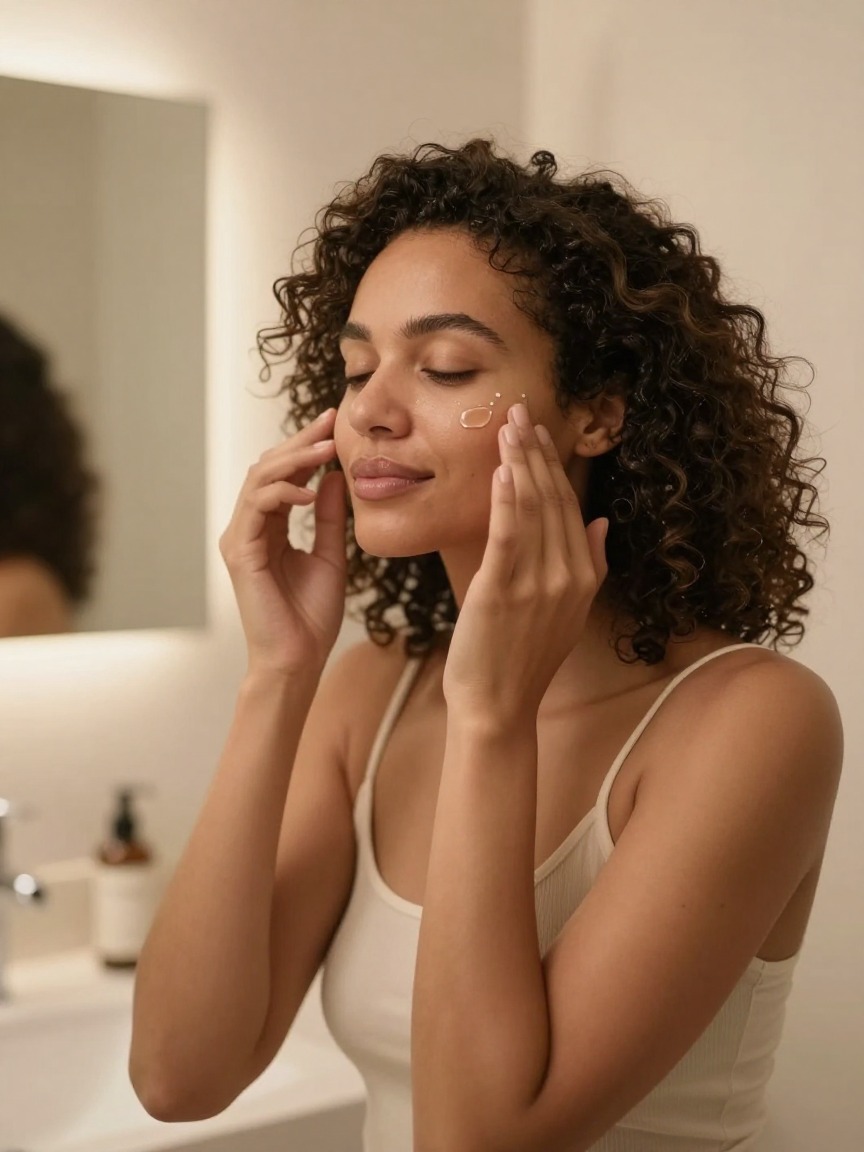
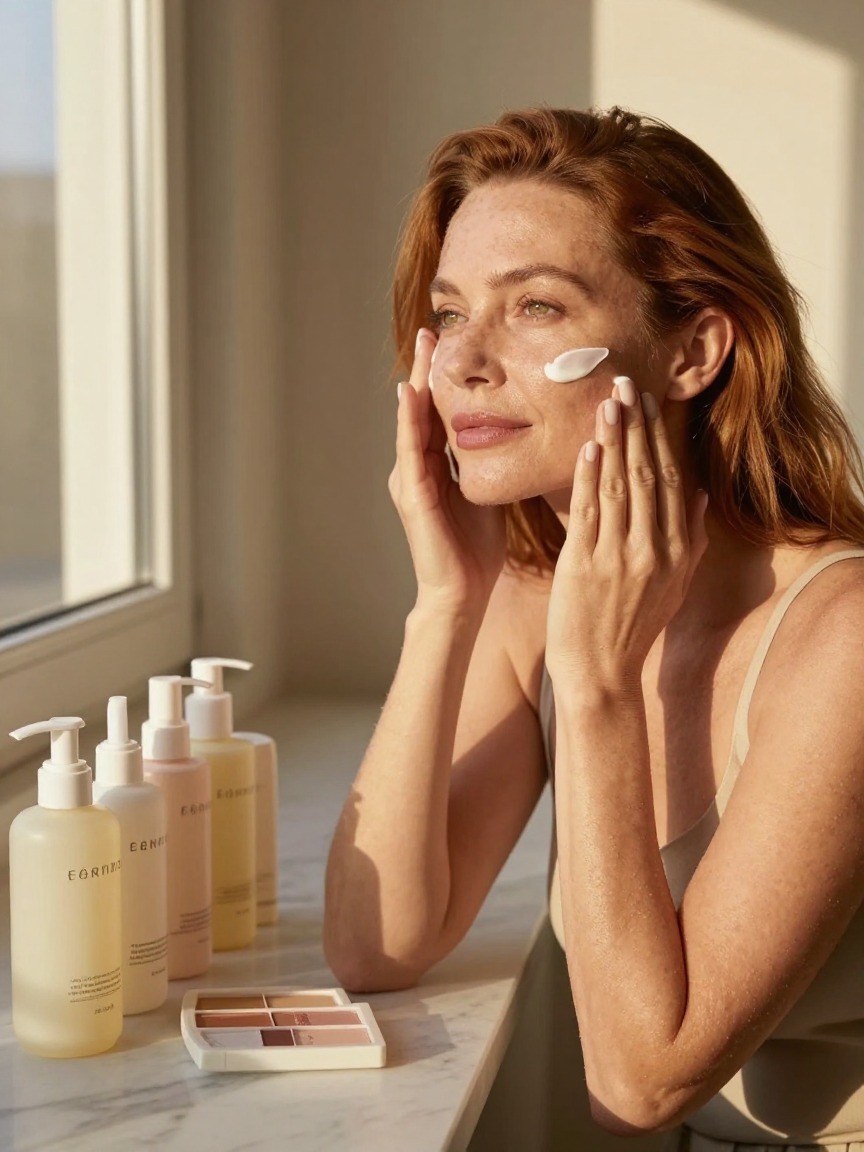
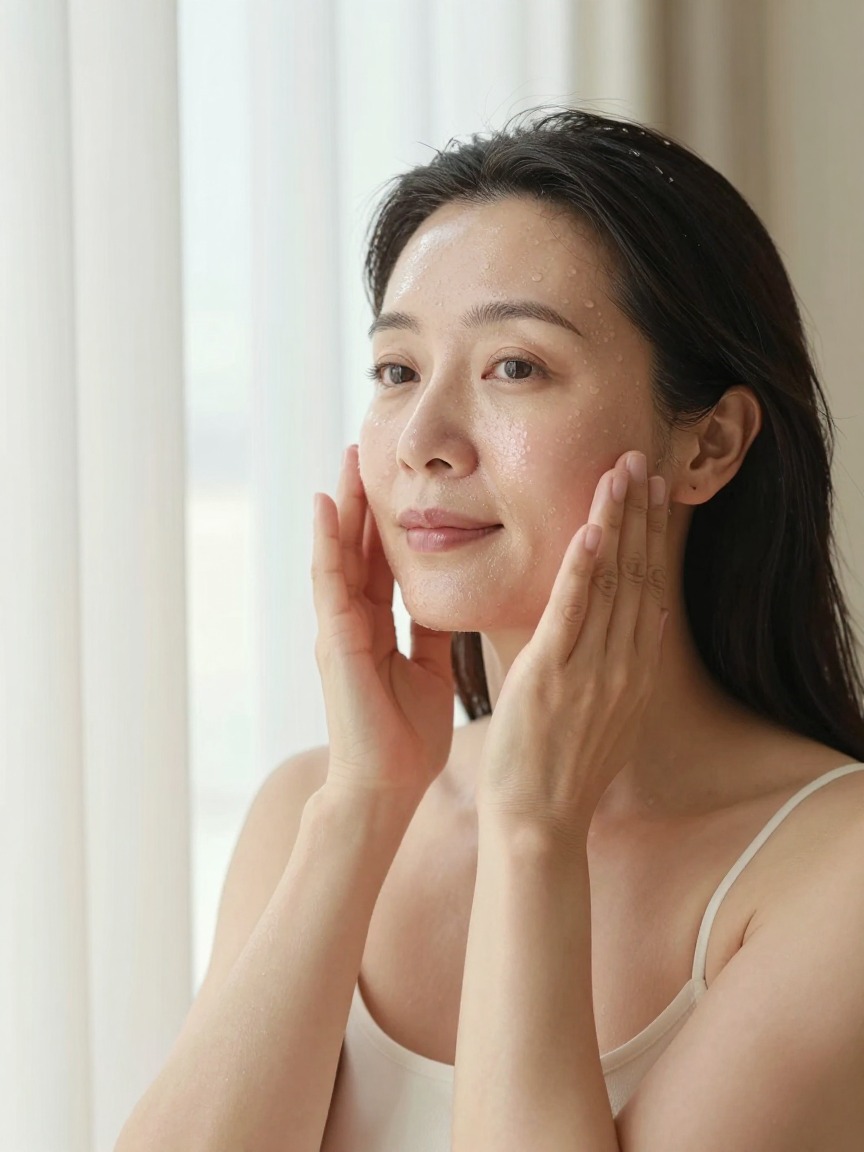
Salicylic Acid (BHA) & Niacinamide: The Two Core Actives
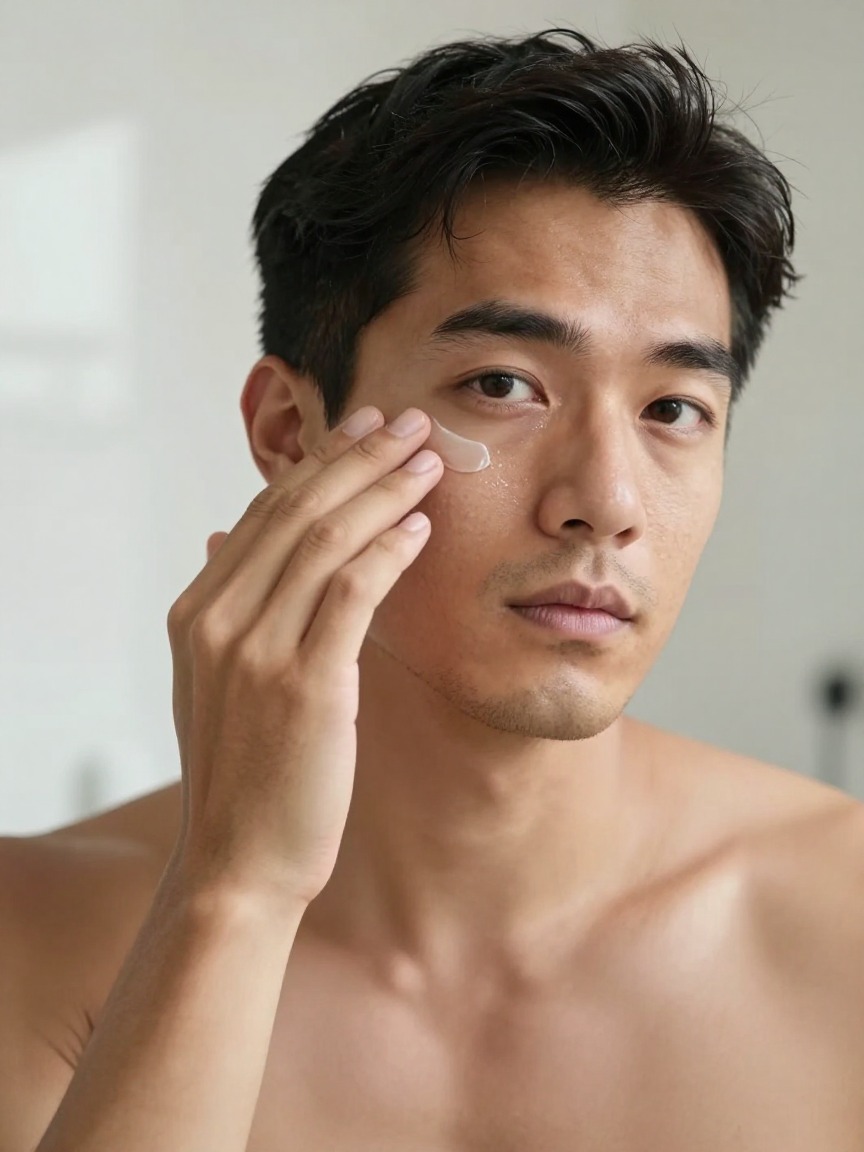
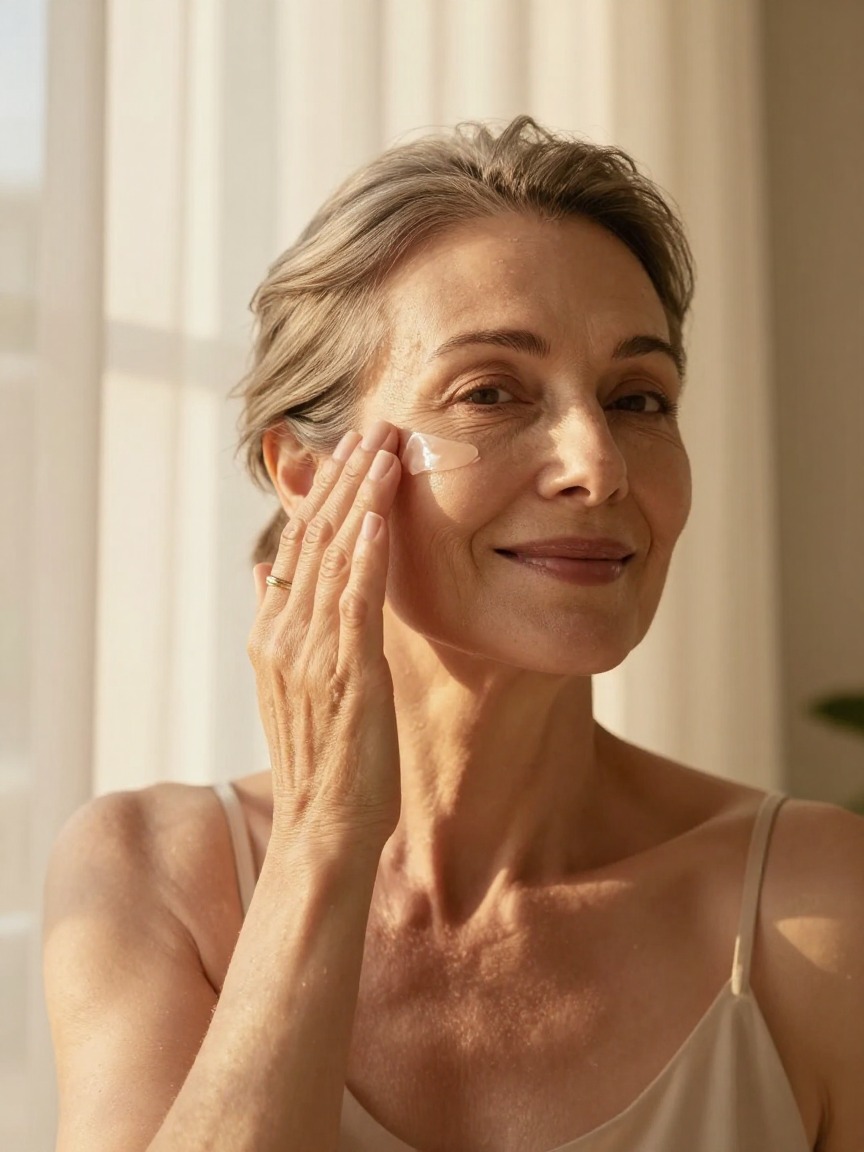
Oily skin makes more sebum than average skin. Genetics, hormones, or a skin barrier that's overcompensating are the usual causes. The instinct is to fight that oil with harsh, foaming, high-pH cleansers and alcohol-heavy toners. That usually backfires. Stripped skin reads as dehydrated and often produces even more oil to compensate. A routine that regulates oil, rather than removing it by force, tends to work better long-term. Two actives do most of that regulating work. Salicylic acid (BHA) is oil-soluble, so it can get down inside an oil-clogged pore instead of sitting on the surface. Niacinamide works differently — it's one of the better-studied ingredients for calming visible oil and redness at the source.
Oil-Free, Non-Comedogenic Moisturizer & Gel Cleanser Basics
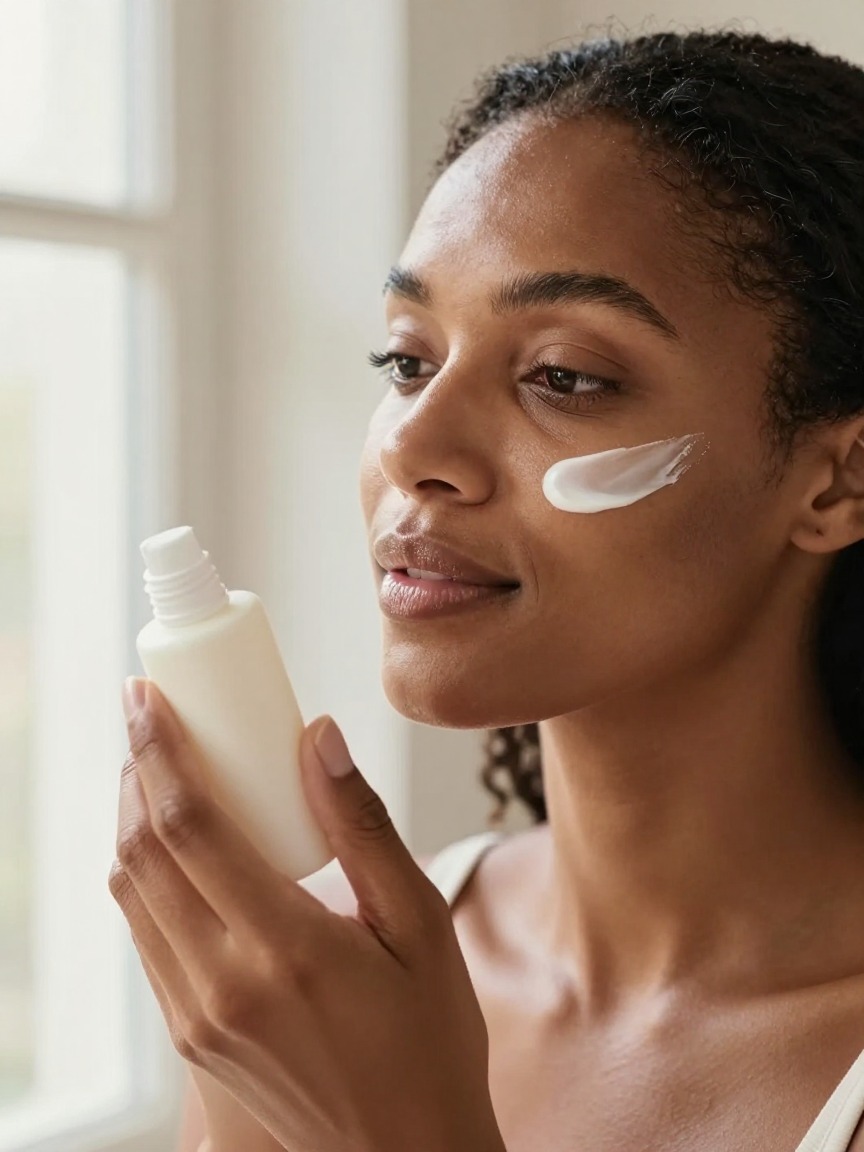
A gel cleanser should remove oil and daily buildup without leaving skin tight or squeaky. Squeaky-clean usually means over-stripping, not proof the product is working. After cleansing, oily skin still needs a moisturizer. Oil-free, gel-based formulas hydrate with humectants like hyaluronic acid and glycerin instead of pore-clogging oils. "Non-comedogenic" on the label means the formula is designed not to clog pores — worth checking on every step of the routine, not just the moisturizer.
Mattifying Sunscreen, Clay Mask & Sebum Control
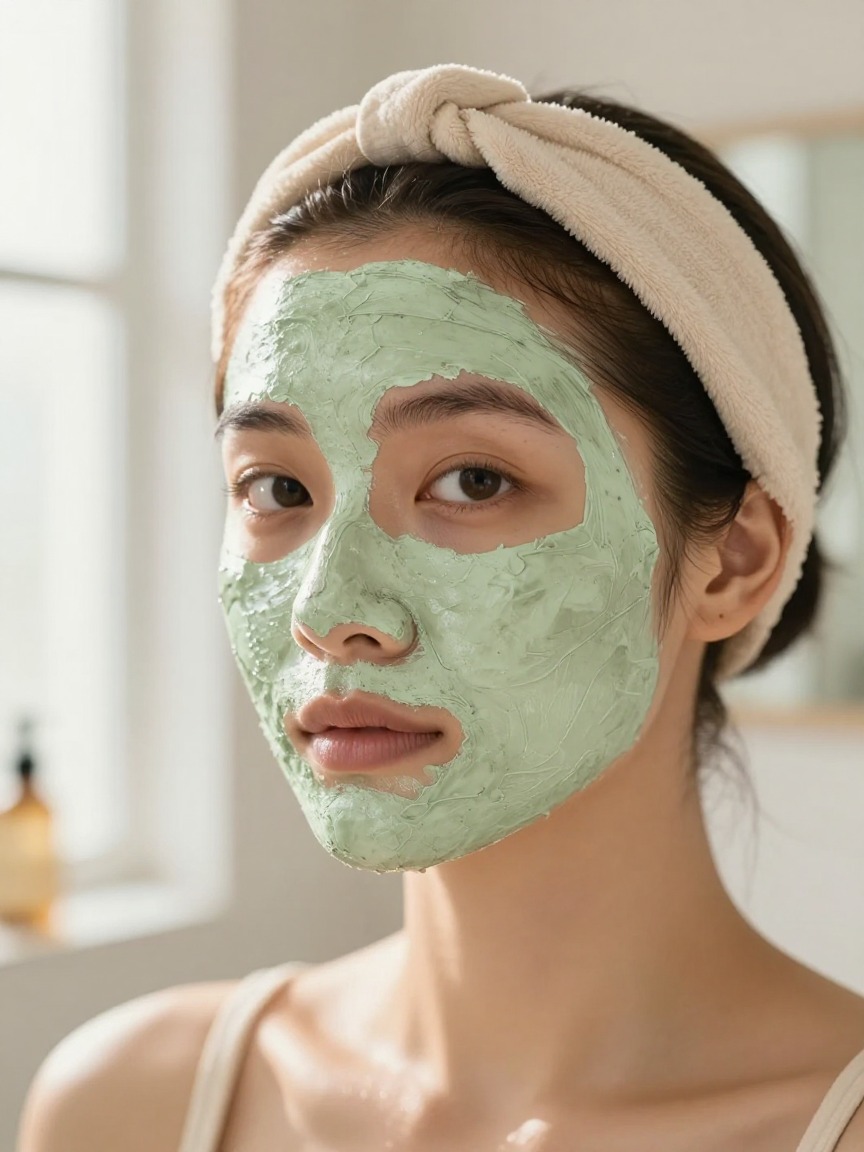
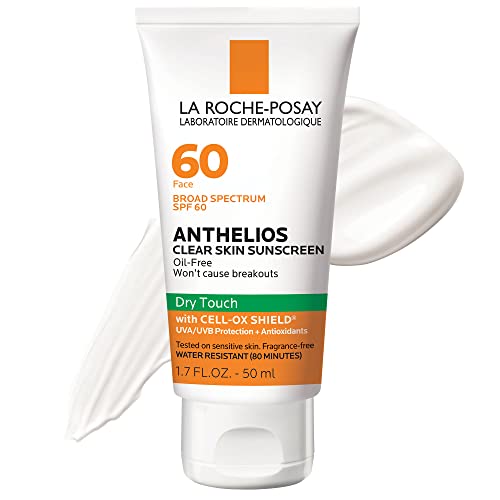
Modern "dry touch," mattifying sunscreen formulas exist because older SPF felt too heavy for oily skin. A non-comedogenic, matte-finish sunscreen is non-negotiable every morning, even on no-makeup days. Clay or kaolin is a useful once-weekly treatment for pulling out excess sebum. It's too drying for daily use, so it stays a weekly reset step, not a core routine step.
Sensitive Skin & Acne-Prone Skin: Hyaluronic Acid, Glycerin & Hydration
The most common mistake is skipping moisturizer because skin already looks oily. But oily skin can still be water-dehydrated, and going without moisturizer often makes it produce even more oil. Hyaluronic acid and glycerin hydrate without adding shine, which makes them a safer starting point for sensitive skin or acne-prone skin than heavier creams. The second common mistake is skipping sunscreen because most formulas feel greasy — oil-free, mattifying sunscreens solve that. Sunscreen matters even more on nights a BHA is used, since acids increase sun sensitivity.
Blackheads, Clogged Pores & Barrier Repair
Over-exfoliating is the third common mistake. Stacking a BHA cleanser, a leave-on BHA, and a physical scrub in the same week damages the skin barrier. That can trigger more oil and more breakouts, not fewer. Mild, occasional shine usually only needs a gentle cleanser, a light niacinamide step, and a good oil-free moisturizer with SPF. Blackheads, clogged pores, or occasional breakouts are where a leave-on BHA a few nights a week earns its place. A weekly clay mask is optional, but it's a satisfying "reset" step for a visible before-and-after, particularly around the T-zone.
Choosing Textures and Formats That Suit Oily Skin
Format matters as much as ingredients for oily skin. Gel and water-gel moisturizers like the Neutrogena option hydrate without the heavy after-feel that pushes people to skip moisturizer entirely. For actives, a leave-on liquid or essence spreads more evenly over an oily T-zone than a thick cream, and a "dry touch" or matte-finish sunscreen such as the La Roche-Posay one solves the single most common reason oily skin skips SPF. If a formula leaves a greasy film after a few minutes, it's the wrong texture regardless of what the label promises.
Where to Spend, Where to Save, and the Marketing to Ignore
Oily skin is a good candidate for spending less on the basics. A foaming CeraVe cleanser and a niacinamide serum like The Ordinary's are inexpensive and well studied, and a clay mask is a low-cost weekly extra. The step worth a little more is sunscreen, since finish and wearability decide whether you use it daily. Be skeptical of "oil-control," "pore-minimizing," and "mattifying" language on products that are really just drying alcohols — those give a short-lived matte look while pushing skin to rebound with more oil. "Non-comedogenic" is the more useful label to check, and it should appear on every leave-on step, not just the moisturizer. A Paula's Choice-style BHA earns a spend only if blackheads or congestion are a recurring concern rather than occasional shine.
Ceramides & When to See a Dermatologist
Ceramides in a cleanser or moisturizer help keep the skin barrier intact while actives like BHA do their work. That matters most for anyone whose oily skin is also barrier-damaged or reactive. If breakouts are persistent, painful, cystic, or not improving after 8–12 weeks of a consistent routine, see a dermatologist rather than adding more products. A routine can manage everyday oiliness. It isn't a substitute for a medical diagnosis.