










A Simple 3-Step Routine for Men
The single biggest reason men's skincare routines fail isn't a bad product choice. It's complexity. A routine with eight steps gets skipped on busy mornings, which means it does nothing. Three steps, done every day, beat an elaborate routine you only follow half the time. Here's what those three steps look like, and why each one earns its place.
Step 1: Cleanser for Oily, Combination & Sensitive Skin
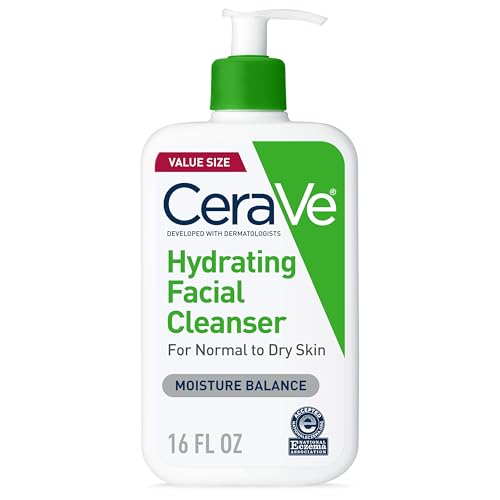
Cleansing removes the oil, sweat, and dead skin cells that build up overnight and during the day, plus any shaving residue on days you shave. A foaming or gel cleanser suits oily skin or combination skin best, cutting through oil without leaving a residue. Sensitive skin generally does better with a cream or lotion cleanser that won't strip it further. Once a day is enough for most men — cleansing in the shower at night, then just splashing with water in the morning, works fine for skin that isn't especially oily. Twice-daily cleansing makes more sense for oilier skin or on shaving days, when you want a clean, residue-free surface before the razor.
Step 2: Moisturizer — Ceramides, Hyaluronic Acid & Skin Barrier Support
Moisturizer's job is to support the skin barrier and slow water loss. It's not there to treat a specific problem — its benefits are about comfort and long-term skin condition, not any visible overnight change. Apply it right after cleansing, while skin is still slightly damp, since that helps humectant ingredients like hyaluronic acid actually work. Oily or acne-prone skin should look for oil-free, non-comedogenic, lightweight lotions, the kind CeraVe's Daily Moisturizing Lotion is built around with ceramides. Dry or sensitive skin does better with a richer, ceramide-based cream. Skipping this step because skin already feels oily is a common mistake — stripped, under-moisturized skin often overcompensates by producing more oil, not less.
Step 3: Broad-Spectrum SPF Sunscreen
Sunscreen is arguably the most important of the three steps, and the one most routines drop first. Daily UV exposure, even on cloudy days or through a car window, accumulates over years. It's the primary driver of visible skin aging and a major factor in skin cancer risk. A broad-spectrum SPF 30 or higher, applied every morning as the last step before you leave the house, is enough. You don't need a separate "anti-aging" sunscreen, just consistency. A lightweight, non-greasy formula — like EltaMD's UV Clear — makes a real difference in whether this step actually happens daily, rather than getting skipped when it feels like a hassle.
Oil-Free, Non-Comedogenic & Humectant Formulas Explained
"Oil-free" and "non-comedogenic" both mean a formula is built not to clog pores or add shine, which matters most for oily or acne-prone skin choosing a moisturizer or sunscreen. A humectant, like hyaluronic acid or glycerin, pulls water into the skin instead of sealing it in with oil. That's why humectant-based lotions layer well under sunscreen without pilling, even on warm days or under a beard.
When to Add Post-Shave Care, Eye Cream or Retinol
Once cleansing, moisturizing, and daily SPF are genuinely automatic, it's worth considering a fourth or fifth step. A post-shave product, such as Aveeno Men's Post-Shave Repair Lotion, is the most useful next addition for anyone who shaves regularly, since it directly addresses irritation the core three steps don't. An eye cream or a retinol serum, like The Ordinary's Retinol 0.5% in Squalane, come after that, and both are optional refinements rather than necessities. Adding steps before the foundation is solid usually just means more products competing for a habit that hasn't formed yet.
Morning Routine vs. Night Routine: Building Consistency
The order stays largely the same both times: cleanse, then moisturize. The difference is what comes last. In a morning routine, sunscreen is the final step, applied after moisturizer has had a minute or two to absorb. A night routine skips SPF — moisturizer is the last product, and it's also a reasonable time to add a retinol a few nights a week. Keeping this sequence simple and consistent, morning and night, is what makes a three-step routine work long-term, instead of becoming another abandoned New Year's resolution.