







Skincare Around Shaving
Shaving is the one variable that separates most men's skincare needs from a generic routine. It's a repeated, mild physical stress on facial skin that most product advice doesn't account for. Getting the skin around it right isn't about buying a specific "shaving skincare line." It's a handful of habits before, during, and after each shave that reduce irritation instead of adding to it.
Before You Shave: Blade, Grain & Prep
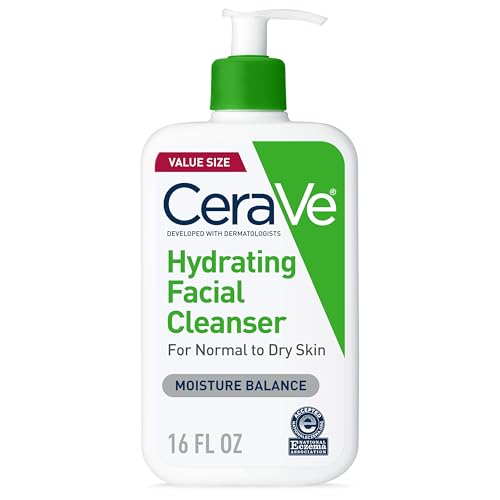
Shaving on skin that's still slightly damp and freshly cleansed makes a real difference. Hair is softer and easier to cut when it's hydrated, which means less resistance and less irritation from the blade. A gentle cleanser, like CeraVe's Foaming Facial Cleanser, softens stubble without stripping skin before the blade touches it. A warm shower, or a couple of minutes with a warm, damp towel against the face, softens both hair and skin before shaving. Skip shaving right after a long, hot shower, since that dries skin back out. The same goes for shaving right after a strong active ingredient like a retinol — such as The Ordinary's Retinol 0.5% in Squalane — or an exfoliating acid, which leaves skin more reactive than usual. A sharp, clean blade matters more than almost anything else here — a dull blade needs more pressure and more passes, and both increase irritation. Shave with the grain, in the direction hair grows, rather than against it.
Shave Gel & Technique During the Shave
Shaving with the grain is the single most effective way to reduce razor burn and ingrown hairs, even though shaving against it gives a closer result in the moment. Short, light strokes with minimal pressure — letting the blade's sharpness do the work rather than pressing harder — cut down on how often skin gets nicked or irritated. Rinsing the blade often during the shave keeps it from dragging clogged hair and product across skin, a common, overlooked source of irritation. A shave gel that stays slick for the full shave, rather than one that dries out halfway through, also reduces friction.
After the Shave: Alcohol-Free Aftershave, Post-Shave Balm, Oat Extract & Aloe
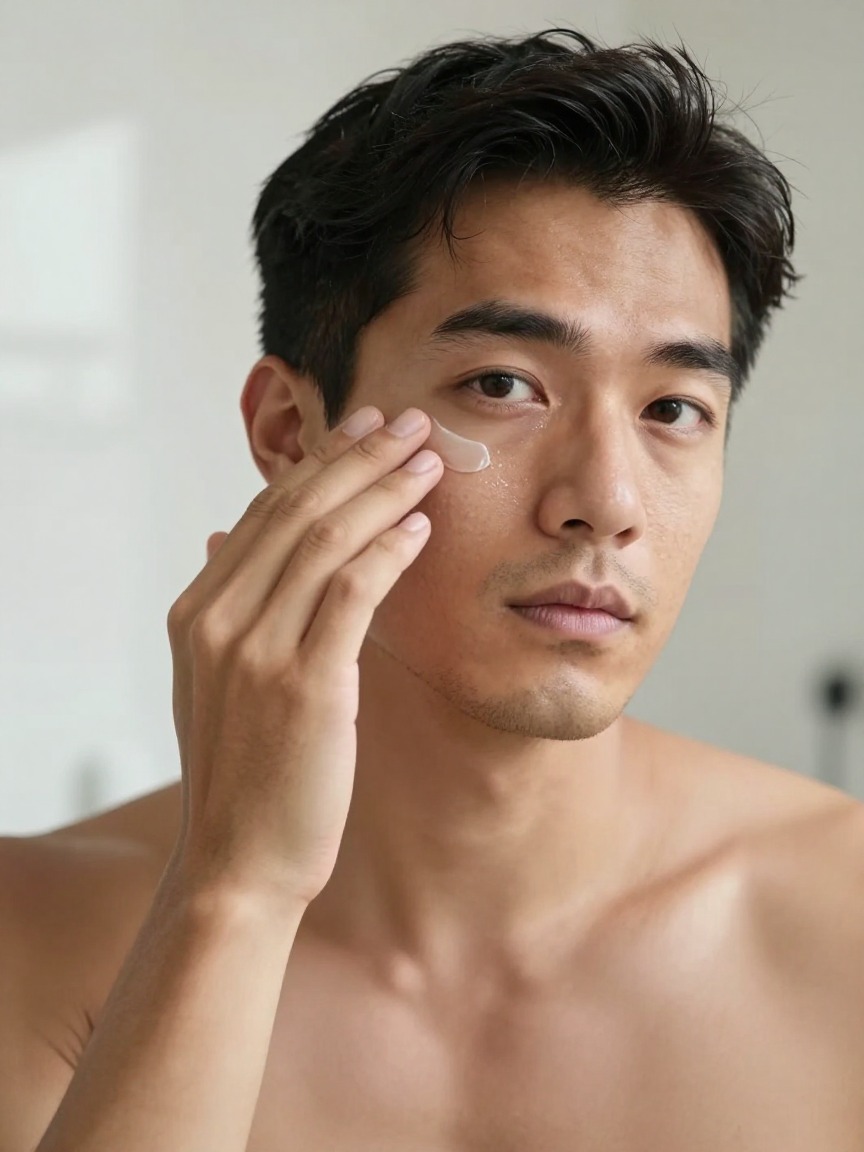
Rinsing with cool water right after shaving helps close pores and calm the skin surface. It's a better final step than hot water, which can leave skin feeling tighter and more irritated. Alcohol-based aftershave disinfects effectively, but it stings and dries out skin that's already under stress from the blade. A fragrance-free, alcohol-free post-shave balm or lotion — with soothing ingredients like oat extract or aloe — is generally more comfortable for daily use. Aveeno Men's Post-Shave Repair Lotion is built around exactly that combination. Let the post-shave product absorb for a minute or two before layering a regular moisturizer on top, rather than skipping straight to moisturizer and missing the calming benefit the post-shave step is built for.
Razor Burn, Ingrown Hairs, and Folliculitis
Razor burn — the burning, red, sometimes bumpy skin that shows up right after shaving — is usually a friction and irritation response. It responds well to the basics: a sharper blade, less pressure, shaving with the grain, and a proper post-shave routine. Ingrown hairs happen when a cut hair curls back into the skin instead of growing outward. They show up as small, sometimes tender bumps a day or two after shaving. Shaving with the grain, and exfoliating gently a day or two before a shave rather than right before, both reduce how often this happens. Folliculitis — inflamed or infected hair follicles that look like small pustules rather than simple bumps — is different from ordinary irritation. If it persists or spreads, it's worth a dermatologist's evaluation rather than more aggressive shaving changes.
Fragrance-Free Care for Sensitive Skin & Barrier Irritation
Sensitive skin reacts fastest to shaving, because a blade is already a form of exfoliating, and a compromised skin barrier turns that friction into a sting rather than just a tug. Fragrance-free products remove one of the more common irritation triggers, which matters most in the hour after a shave when skin is at its most reactive. If redness or barrier irritation shows up most days rather than occasionally, the shaving routine — not just the aftershave — is usually the thing to change first.
Electric Razor vs. Manual Razor: Which Reduces Irritation
Neither option is universally better for skin. The right choice depends on your skin's sensitivity and hair type more than any general rule. An electric razor causes less direct skin contact. It can be gentler for very sensitive or reactive skin, though it typically doesn't cut as close. A manual razor gives a closer shave. But it increases how many times skin gets touched, and potentially irritated, per stroke — especially with a dull or old blade. If you deal with regular razor burn or ingrown hairs, switching razor types is worth testing, alongside the technique changes above.
Exfoliating Before a Shave, Not After
Exfoliating a day or two before a shave, not right before or right after, helps loosen trapped and ingrown hairs without adding extra stress to skin a blade is about to pass over. A gentle chemical exfoliant works better here than a rough physical scrub, which can leave skin more reactive going into the shave.
When to See a Dermatologist About Pseudofolliculitis
Bumps that keep coming back no matter how careful the technique, spreading redness, pus-filled bumps, or skin that stays irritated for days rather than hours after a shave are worth having a dermatologist look at directly. Pseudofolliculitis barbae, common with curlier facial hair, and bacterial folliculitis both look similar to ordinary razor burn but need different management, sometimes including prescription treatment. A dermatologist is the only reliable way to tell them apart. This section reflects general skincare and shaving guidance, not a medical diagnosis.