

Vitamin C & L-Ascorbic Acid: The Antioxidant Multitasker That Targets Tyrosinase
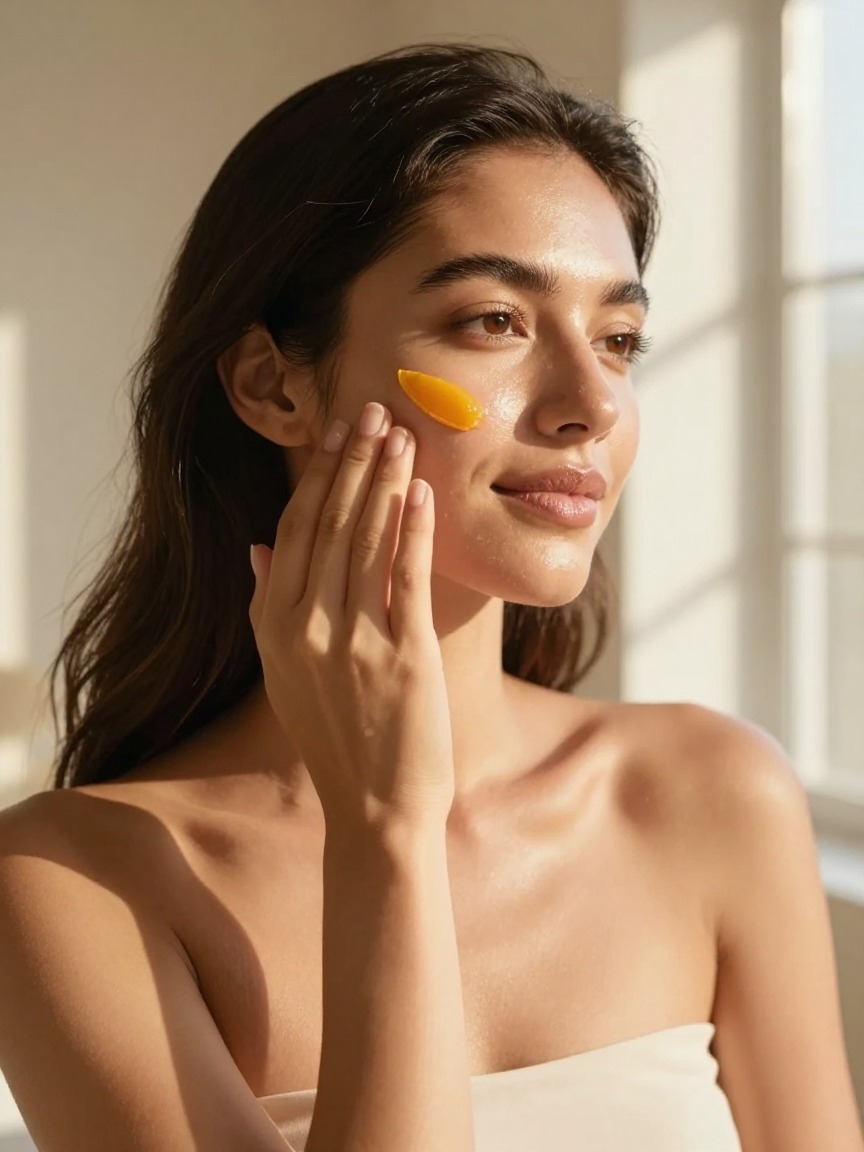
L-ascorbic acid is the most researched form of vitamin C for skin. Evidence supports its ability to inhibit tyrosinase—the enzyme that kicks off melanin production. It also neutralizes some of the free-radical damage UV exposure causes. That dual action is why vitamin C serums are marketed for prevention as much as correction. Used consistently in the morning, under sunscreen, they limit how much new pigment forms from daily sun exposure. They also gradually fade what's already there. Paula's Choice C15 Super Booster is one formula built around a 15% concentration of L-ascorbic acid, near the high end of what's typically used. The tradeoff is stability. L-ascorbic acid oxidizes when exposed to light, air, and heat. That turns a serum an orange-brown color and reduces its effectiveness. Look for opaque or dark packaging. Expect a working bottle to last a few months once opened, not a year. Derivatives like sodium ascorbyl phosphate or ascorbyl glucoside are more stable and gentler. They generally have less research behind them at the concentrations used in most serums.
Niacinamide: The Gentle All-Rounder for Sensitive Skin and Hyperpigmentation
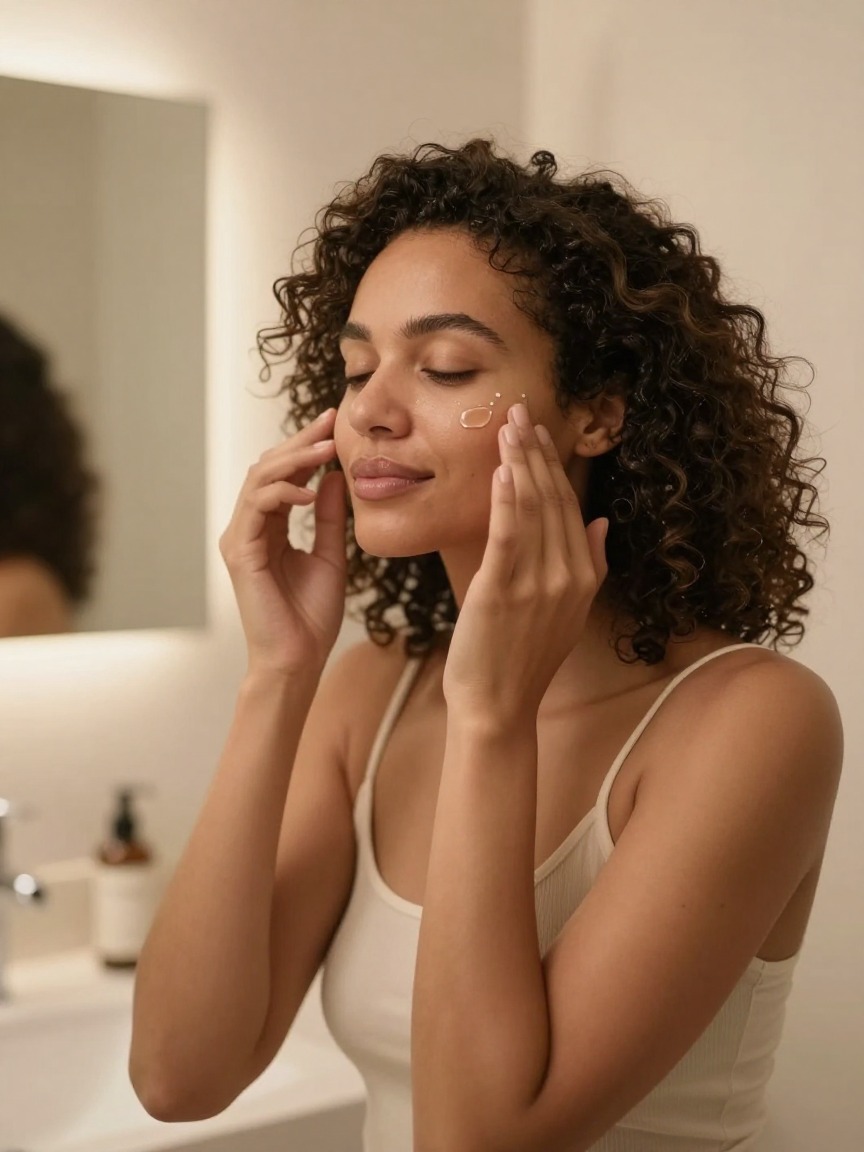
Niacinamide (vitamin B3) works differently from acid-based brighteners. It interferes with the transfer of pigment granules (melanosomes) from melanin-producing cells into surrounding skin cells, rather than blocking melanin production directly. That mechanism makes it slower-acting than tranexamic acid. But it's also unusually well tolerated, which is why it shows up in so many sensitive-skin formulas—La Roche-Posay's Mela B3 leans on niacinamide for exactly that reason. It also has secondary benefits: supporting the skin barrier and helping regulate oil production. That makes it a reasonable everyday ingredient for hyperpigmentation, even outside a dedicated dark-spot routine. Concentrations between 4% and 10% are typical in serums. Higher isn't necessarily better—niacinamide can cause flushing or irritation in some people above roughly 10%.
Alpha Arbutin: A Bearberry-Derived Alternative to Hydroquinone
Alpha arbutin is derived from the bearberry plant. It converts to a small amount of hydroquinone-like activity in the skin. But that activity is much more stable, controlled, and lower-irritation than hydroquinone itself. It's a direct tyrosinase inhibitor. It's generally considered one of the better-tolerated options for a noticeable brightening effect without the sensitivity risk of stronger acids. Most over-the-counter formulas run between 1% and 10%—The Ordinary's Alpha Arbutin 2% + HA sits near the low end, while Naturium's Alpha Arbutin Serum 10% + HA sits at the high end of that range. Higher percentages act faster for some users. They also raise the—still generally low—chance of irritation. It's worth patch testing before committing to a higher-strength version.
Tranexamic Acid for Melasma and Stubborn, Hormonal Discoloration
Tranexamic acid started as an oral medication for heavy bleeding. Its topical form has become one of the more promising options for melasma and other inflammation-triggered discoloration. It interrupts a different part of the pigment pathway than vitamin C or arbutin—one linked to UV and heat-triggered inflammation, not just enzyme activity. It's often paired with niacinamide in the same formula; SkinCeuticals' Discoloration Defense builds around exactly that pairing. The two appear to work well together, since niacinamide's anti-inflammatory properties complement tranexamic acid's mechanism. That said, topical tranexamic acid alone rarely fully resolves melasma. It's better understood as one tool among several. Dermatologists frequently combine it with other approaches for patches that don't respond to over-the-counter products alone.
Azelaic Acid: Concentration, Irritation Risk and Dual-Purpose Benefits
Azelaic acid brightens by inhibiting tyrosinase. It also has anti-inflammatory and mild antibacterial properties. That's why it's commonly recommended for people dealing with both discoloration and active acne or rosacea-related redness at once. It's naturally derived, originally from grains like wheat, barley, and rye. It has a good safety profile at typical concentrations and a genuinely low irritation rate for most users. Anyone pregnant or breastfeeding should still run any active ingredient by their doctor first. It's slower to show visible brightening results than some other options here. But it tends to be very well tolerated.
Kojic Acid: Effective but a Higher Irritation and Patch Test Risk
Kojic acid is a byproduct of fermentation, often from rice. It works as a tyrosinase inhibitor with real evidence behind it. But it has a higher irritation profile than alpha arbutin or niacinamide. It can cause contact dermatitis in some users, especially at higher concentrations or with prolonged use. A patch test matters more here than with gentler actives. It's less common as a standalone star ingredient in newer formulas for that reason. It still appears in combination formulas at modest concentrations.
Combining Ingredients Without Overdoing It on Dark Spots
Many of the strongest formulas pair two or three of these ingredients. Niacinamide with tranexamic acid, or alpha arbutin with vitamin C, are common combinations—Good Molecules' Discoloration Correcting Serum layers three of them into one formula. That's generally a reasonable approach for tolerant skin. But it's not a reason to stack a separate vitamin C serum, a separate niacinamide serum, and a retinoid all at once. If you're combining single-ingredient products rather than one formulated blend, introduce them one at a time. Space them a few weeks apart. That way you can tell what's actually helping—and what's just adding irritation risk.