
Skip to content
Derma Rollers (At-Home Microneedling) · Deep dive

At-Home Microneedling Safety

Why safety is the whole game with at-home microneedling and a derma roller

A derma roller is one of the few beauty tools that deliberately punctures the skin. That makes it a fundamentally different category from a cleanser or moisturizer. Used correctly — short needle length, clean equipment — the risk is low, and the worst outcome is usually a bit of extra redness. Used carelessly, the risk shifts to real infection, prolonged irritation, and in worse cases, scarring. None of that is meant to scare you off the category. It's meant to explain why the safety steps below aren't optional extras.

Before you roll: sanitize with isopropyl alcohol

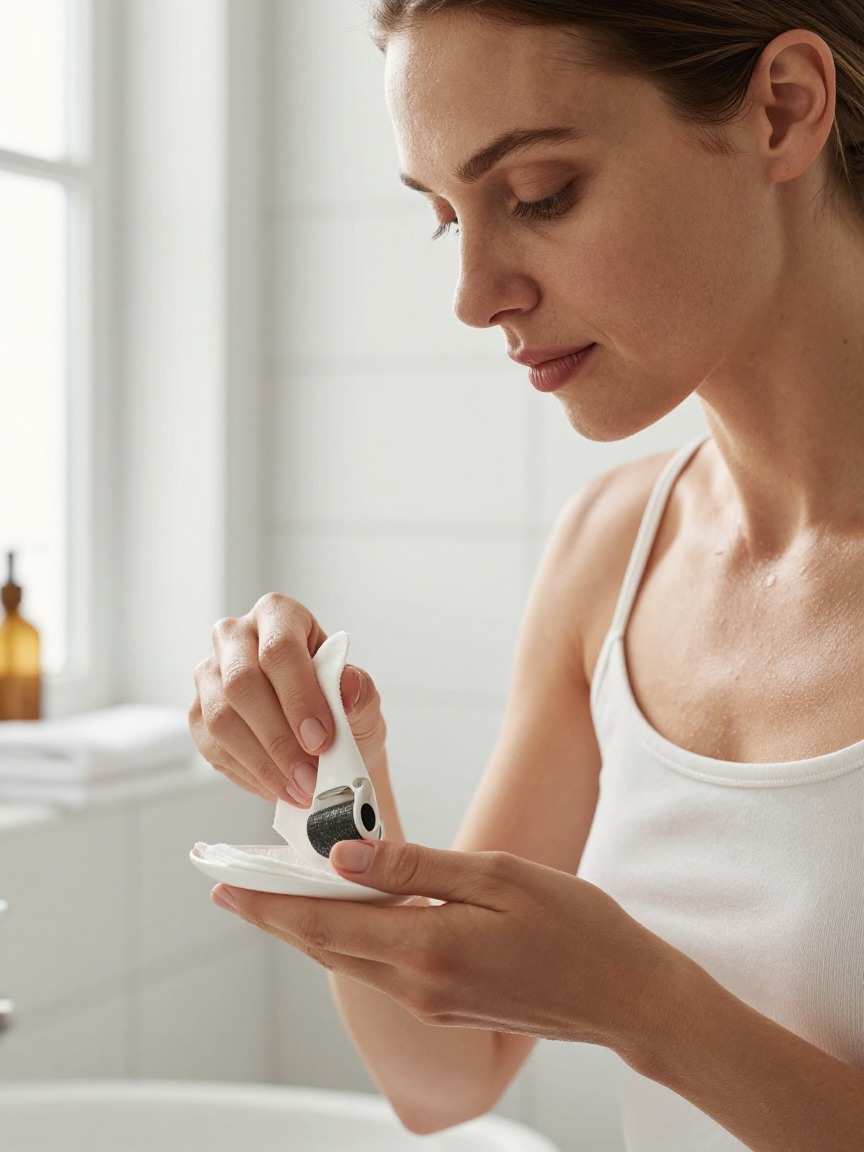
Every session should start and end with sanitizing. Submerge or wipe the roller head in 70% isopropyl alcohol for a few minutes. Let it air dry completely on a clean paper towel before storing it. Never towel-dry it with fabric that could reintroduce bacteria or bend the needles. Wash your hands and cleanse your face before rolling too. Skin should be clean and completely dry, since rolling over dirt, oil, or damp skin pushes contaminants into the micro-channels you're creating.

Never share a roller: needle length and infection risk

This is worth stating plainly: a derma roller is a personal-use device, full stop. Sharing one — even briefly with a partner or family member — is a direct way to raise infection risk from bacteria, viruses, or bloodborne pathogens. Needle length doesn't matter here; any shared roller carries the same risk. If you're buying for a household, buy separate rollers.

Active acne and other reasons to pause

Skip rolling if you have active acne, an open breakout, a cold sore, or a current skin infection. Rolling over inflamed or infected skin can push bacteria deeper and raise your infection risk. Wait until skin has fully calmed down before picking the roller back up.

Signs of pinpoint bleeding, redness and too much pressure

The goal with an at-home roller is light, even contact, not force. Pinpoint bleeding is a clear sign you're pressing too hard, or the needles are longer than they should be for home use. Immediate stinging that doesn't ease within a minute is another warning sign. So is skin that stays bright red for hours afterward. Ease off, shorten your session, or space sessions further apart. More pressure doesn't mean better results — it just means more irritation.

Aftercare that matters: fragrance-free hydrating serum, hyaluronic acid, retinoids, vitamin C and sunscreen

Freshly rolled skin is temporarily more permeable, which is exactly why aftercare matters as much as the rolling itself. Apply a simple, fragrance-free, hydrating serum right after — hyaluronic acid is a common, gentle choice. Avoid layering on retinoids, vitamin C, exfoliating acids, or fragranced products for the rest of that day, since they're more likely to sting or irritate compromised skin. Skip makeup for a few hours if you can. Always wear sunscreen the next day; skin is more sun-sensitive right after microneedling.

Red flags in a product listing: replacement schedule

Not every roller sold online is appropriate for home use, and listings don't always make that obvious. Watch for:

  • No clearly stated needle length in millimeters — if you can't find the number, don't buy it
  • Needle lengths of 1.0mm or longer marketed for general home use
  • Unbranded, ultra-cheap multi-packs with no manufacturer information
  • No guidance at all on sanitizing or a replacement schedule

Sticking with an established skincare brand — BeautyBio, StackedSkincare, or ORA, for example — that clearly lists needle length and material is the simplest way to avoid all of these issues at once.

When something goes wrong: talk to a dermatologist

If you notice unusual swelling, pus, warmth, or worsening redness more than a day or two after rolling, that can indicate infection. It's worth contacting a doctor or dermatologist rather than waiting it out. The same goes for any reaction that seems disproportionate to a normal, mild post-rolling flush. This guide is informational, not a substitute for professional medical advice. If in doubt, get it checked.
You may be interested in

Popular picks from related categories, chosen with the same rubric.

Editor's Pick #1
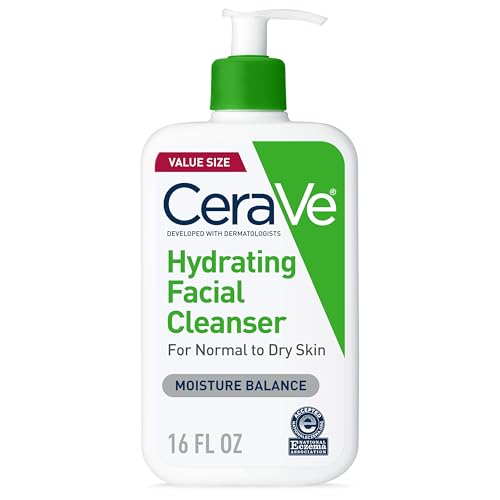
Hydrating Facial Cleanser
Dry-to-normal sensitive skin, especially anyone also using retinoids or other actives

Hydrating Facial Cleanser

CeraVe

It's formulated with three ceramides, hyaluronic acid, and a National Eczema Association seal. Dermatologists mention it most often for reactive skin. It's a genuinely non-foaming, low-irritation formula that doesn't strip the barrier.

Ceramide and hyaluronic acid formula supports the skin barrier while cleansing
Fragrance-free, non-foaming, and won't disrupt a compromised moisture barrier
Budget-friendly per ounce and widely available at drugstores
Doesn't fully dissolve heavy sunscreen or long-wear makeup on its own, so double-cleansing days may need a micellar water or oil-based first step
Best Value #2
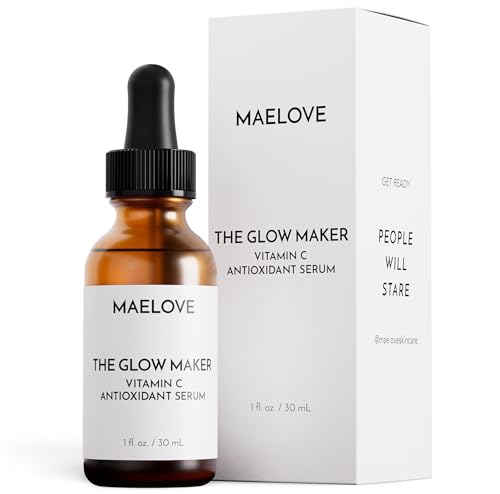
Glow Maker
Readers who want a well-formulated L-ascorbic acid serum without the prestige price tag

Glow Maker

Maelove

It leans on similar formulation logic to pricier serums: L-ascorbic acid plus vitamin E and ferulic acid. It costs a fraction of the price. That's why it's often called an affordable alternative to the prestige options.

Combines L-ascorbic acid with vitamin E and ferulic acid, echoing higher-end formulas
Opaque pump bottle helps limit light and air exposure
Noticeably cheaper per ounce than most L-ascorbic acid serums of similar formulation
The pump can dispense unevenly or feel like it needs priming, a minor but frequently mentioned annoyance
Editor's Pick #1
Moisturizing Cream
Normal to dry skin that wants a dermatologist-developed, fragrance-free daily moisturizer

CeraVe Moisturizing Cream

CeraVe

It pairs three essential ceramides with hyaluronic acid in a rich, fragrance-free base. Long-term users with dry, compromised skin consistently praise it. It's also inexpensive enough to use liberally.

Ceramide + hyaluronic acid formula supports the skin barrier
Fragrance-free and well-tolerated by sensitive skin
Large jar size makes it very cost-effective per ounce
The tub packaging means dipping fingers into the product, which isn't ideal for hygiene or portability
Editor's Pick #1
UV Clear Broad-Spectrum SPF 46
acne-prone, sensitive, or post-procedure skin that needs a dermatologist-trusted daily option

UV Clear Broad-Spectrum SPF 46

EltaMD

Dermatologists reach for EltaMD more than almost any other sunscreen. It pairs broad-spectrum zinc oxide protection with niacinamide and hyaluronic acid. The oil-free base is genuinely weightless and layers well under makeup.

Broad-spectrum SPF 46 with zinc oxide
Oil-free, non-comedogenic formula favored for acne-prone skin
Contains niacinamide and hyaluronic acid for added hydration
Pricier per ounce than most drugstore sunscreens, and the pump makes it easy to under-apply if you're not deliberate about the amount.
Editor's Pick #1
Super Volcanic Pore Clay Mask 2X
oily, pore-prone skin that wants a formula built specifically around pore congestion

Super Volcanic Pore Clay Mask 2X

innisfree

Two types of volcanic clay target sebum and blackheads. The texture isn't chalky or hard to remove like older clay formulas. It's also genuinely affordable for how often you'll reach for it.

Lightweight, non-cakey texture that spreads and rinses easily
Visibly reduces the look of congested pores after a single use
Priced low enough to use regularly without guilt
The mineral scent is noticeable and won't appeal to everyone
Editor's Pick #1
Skin Perfecting 2% BHA Liquid Exfoliant
Anyone dealing with clogged pores, blackheads, or rough, bumpy texture who wants an evidence-backed exfoliating toner

2% BHA Liquid Exfoliant

Paula's Choice

It's built around a well-studied 2% salicylic acid concentration at an effective pH. The base is fragrance-free and alcohol-free. That combination is why it's stayed a favorite among ingredient-focused shoppers for years, rather than fading as a trend.

2% salicylic acid at a pH that actually works
Fragrance-free and alcohol-free formula
Noticeably improves texture and blackheads with consistent use
The active concentration can cause redness or flaking in the first couple of weeks, so it's not the easiest starting point for very reactive or rosacea-prone skin

Affiliate disclosure: We may earn a commission from qualifying purchases made through links on this page, at no extra cost to you. Some links on this page are affiliate links.