






Why 'expensive' and 'effective' aren't the same thing to a dermatologist
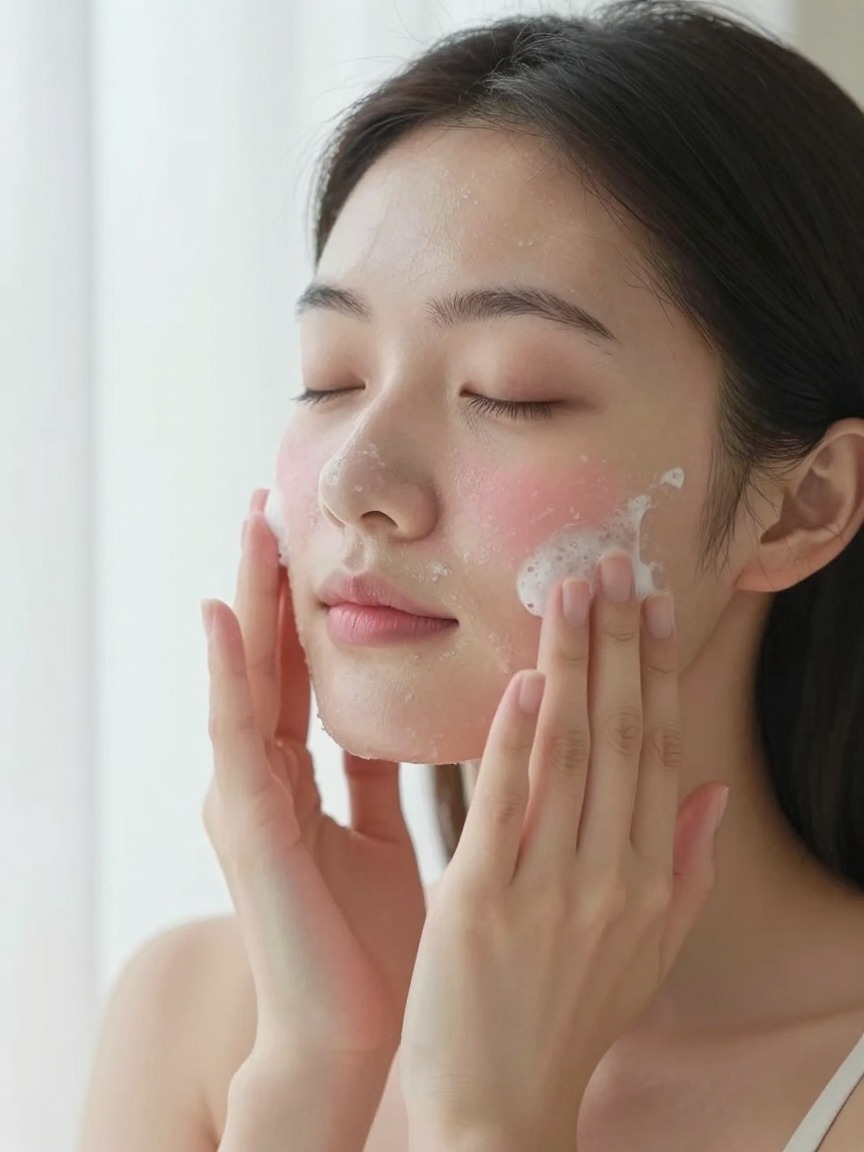
Of all the products in a skincare routine, the cleanser is the one where price connects least to performance. It's a rinse-off cleanser, on the skin for well under a minute before going down the drain. That limits how much any single ingredient, expensive or not, can actually do. A dermatologist tends to reserve enthusiasm, and a patient's budget, for leave-on products like sunscreen, retinoids, and moisturizer. Formulation and concentration have more time to matter there. That's a big part of why the cleansers that keep coming up in dermatology recommendations are, almost without exception, drugstore priced.
Cetaphil Gentle Skin Cleanser: soap-free with a minimal ingredient list
Cetaphil Gentle Skin Cleanser has been a dermatology-office staple for decades. It's about as low-risk as a cleanser gets. The formula is soap-free, built around a minimal ingredient list. It's mild enough to be recommended after in-office procedures like chemical peels or laser treatments, when skin is at its most reactive. It's not an exciting product, and that's the point. Its longevity comes from consistently not causing problems, not from a standout ingredient.
CeraVe's fragrance-free, ceramides-based two-cleanser strategy
CeraVe built its reputation on a simple split. There's a non-foaming Hydrating Facial Cleanser for dry and sensitive skin. There's a light Foaming Facial Cleanser for normal to oily skin. Both are fragrance-free and use the same ceramides-and-hyaluronic-acid base. That pick-your-texture, keep-the-same-core-ingredients approach is a big reason the brand shows up so often in derm recommendations. It covers most skin types without a premium price tag.
La Roche-Posay Toleriane: ceramides, niacinamide and a pharmacy pedigree
La Roche-Posay sits a notch above true budget cleansers in price. It's still accessible compared to prestige skincare, though. It's frequently recommended for sensitive or reactive skin, specifically for its ceramides-and-niacinamide combination and fragrance-free formulation. It's a common suggestion for people who've tried a very basic cleanser and still feel some tightness, without jumping to specialty or prescription-adjacent products.
Prestige skincare vs. drugstore price: AHA, BHA and exfoliating acid
When a cleanser costs meaningfully more than the drugstore staples above, the difference is usually one of a few things. Some formulas add actives beyond basic cleansing, like an AHA, a BHA, or a brightening ingredient blended in. Others offer a different sensory experience, like a thicker gel, richer cream, or specific scent-free profile. Sometimes it's simply brand positioning and packaging. None of that is meaningless. Texture preference is a legitimate reason to pick a product, since a cleanser you enjoy using is one you'll actually use consistently.
Texture preference and surfactant chemistry, not price, drive the difference
A dermatologist is generally cautious about folding an exfoliating acid into a rinse-off cleanser. Contact time is short, and it's easy to underestimate how much is being used compared with a measured leave-on treatment. If you want an AHA or BHA in your routine, most dermatologists would rather see it in a dedicated, leave-on product, not mixed into a splashy cleanser. A budget cleanser and a premium one that share similar surfactant chemistry are doing the same job, regardless of price.
Vanicream and Neutrogena: eczema, dermatitis and sensitive, allergy-prone skin
Vanicream Gentle Facial Cleanser rarely gets marketing attention, but it's a frequent recommendation for eczema, dermatitis, and diagnosed allergy cases. Its ingredient list is unusually short and avoids the most common triggers. Neutrogena Ultra Gentle Daily Cleanser serves a different purpose. It's less about treating reactive skin and more about giving someone a safe, low-risk entry point when building their first real routine.
The takeaway: skip the price signal on a drugstore cleanser
None of this means every expensive cleanser is a waste of money, or that price never correlates with quality. Some pricier formulas do bring genuinely different textures or additional actives. But for a basic, twice-daily cleanser, dermatology consensus leans heavily toward affordable, fragrance-free, minimal-ingredient formulas. They've proven themselves at scale, across a huge range of skin types, for a long time. If a budget cleanser and a premium one use similar surfactant chemistry, the cheaper one is doing the same job.