Ceramides, hyaluronic acid and niacinamide: the skin barrier ingredients that matter
Ask several dermatologists what cleanser to use, and you'll hear a lot of overlap. CeraVe, Cetaphil, La Roche-Posay Toleriane, and Vanicream keep coming up. That's not because these brands pay for the recommendation. A cleanser's job is narrow: remove dirt, oil, sunscreen, and makeup without disrupting the skin barrier. The formulas that do this reliably share a few traits. Ceramides help replace the lipids that cleansing strips away. Hyaluronic acid and glycerin are humectants that hold onto moisture during the wash. Niacinamide often joins them, calming skin while supporting the barrier further.
Fragrance-free, sulfate-free and non-comedogenic: what a safe formula avoids
A dermatologist-friendly cleanser is defined as much by what it leaves out as by what it includes. Fragrance-free formulas lower the odds of contact irritation or an allergic reaction. Sulfate-free versions lean on gentler, non-soap surfactants — like cocamidopropyl betaine or sodium cocoyl isethionate — that clean without stripping natural oils. Non-comedogenic labeling means the formula is designed not to clog pores or trigger breakouts. Together, these traits explain why the same handful of cleansers keeps showing up in dermatology-office recommendations.
pH-balanced and gentle cleanser basics for dermatologist-recommended formulas
Healthy skin sits at a mildly acidic pH, roughly 4.5 to 6. A pH-balanced cleanser respects that range. Alkaline soap bars, by contrast, can leave skin feeling tight and more reactive. A gentle cleanser also means a short ingredient list, since fewer ingredients mean fewer chances for irritation. This is the core logic behind every dermatologist-recommended pick on this list: predictable, low-risk, and effective at the one job a cleanser actually has.
Non-foaming vs. foaming cleanser: matching the formula to your skin type
Dry or sensitive skin generally does best with a non-foaming, cream or lotion-style cleanser. It cleans without cutting through the skin's own oils. Oily or combination skin can usually tolerate, and often prefers, a light foaming cleanser. It cuts through excess sebum and sunscreen more effectively. Neither texture is inherently better — the right one depends on how your skin behaves day to day.
Best picks for dry skin, oily skin and acne-prone skin
Dry skin benefits most from ceramide-rich, non-foaming formulas that reinforce the barrier while cleansing. Oily skin usually does better with a light foaming cleanser that manages shine without over-stripping. Acne-prone skin needs a gentle cleanser too. Treating breakouts is a job for leave-on products, like a salicylic acid or benzoyl peroxide treatment, not the cleanser itself.
Sensitive skin, eczema and why a patch test matters
If you have eczema, rosacea, or a documented allergy history, look for the shortest ingredient list you can find. Sensitive skin reacts fastest to fragrance, dyes, and harsh preservatives, so those are the first things to rule out. Always patch test anything new on your inner arm for a few days before using it on your face. It's a small step that catches most reactions before they reach your face.
Common mistakes worth avoiding
- Over-cleansing: washing more than twice a day, or scrubbing with hot water, does more harm than good for most skin types
- Assuming lather equals clean: a lack of foam doesn't mean a cleanser isn't working — some of the gentlest, most effective formulas don't foam at all
- Chasing exfoliating cleansers for acne: leave-on treatments (like a salicylic acid or benzoyl peroxide product) usually do more for breakouts than a cleanser that's only on the skin for seconds
- Ignoring persistent irritation: if a cleanser stings, burns, or triggers ongoing redness, stop using it and see a dermatologist rather than pushing through
Matching a dermatologist-recommended pick to your skin and budget
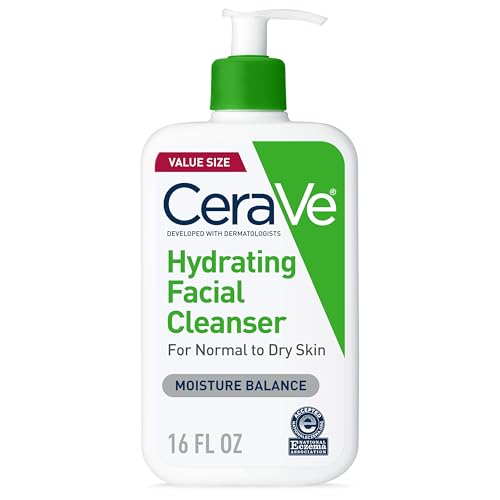
The label matters less than the fit. A ceramide-rich, non-foaming option like CeraVe Hydrating Facial Cleanser tends to suit normal-to-dry skin, while a light foaming formula like the CeraVe Foaming version is a better match when skin runs oily or combination. Reactive, eczema-prone skin usually does best with the shortest ingredient list you can find, which is where a fragrance-free option like Vanicream or La Roche-Posay Toleriane earns its place.
Spotting quality past the marketing
Front-of-bottle words like “dermatologist tested” aren't regulated claims, so read the ingredient list instead: a recognizable gentle surfactant, a humectant such as glycerin, and no added fragrance near the top. Budget rarely dictates quality here — a low-cost staple like Cetaphil Gentle Skin Cleanser does the same core job as pricier tubes, and a beginner pick like Neutrogena Ultra Gentle Daily Cleanser eases the move off a harsher wash. Spend more only for a texture or barrier ingredient you actually want.