







How many steps for oily skin you really need
A practical routine has four core steps for oily skin. Start with a cleanser, then a treatment, then an oil-free moisturizer, and finish with sunscreen. A weekly clay mask can be an optional fifth step when skin feels congested. That covers what most oily skin actually needs. Adding more products past that point often creates problems instead of solving them. The aim is to control oil and breakouts, not to layer on as many serums as possible. A tight, focused routine is easier to keep up and far easier to troubleshoot.
People often ask how many steps oily skin should have to look its best. For oily skin, more steps rarely mean better results. Extra layers can clog pores and trigger more irritation over time. The right number of steps for oily skin is the smallest set that keeps shine and breakouts in check. If your skin feels good on four steps, there is no reason to add a fifth. Let real results guide you, not the length of someone else's shelf or routine.
The treatment step is where oily skin gets the most value. A niacinamide serum like The Ordinary Niacinamide 10% + Zinc 1% can help manage the look of oil and shine. A BHA such as the Paula's Choice Skin Perfecting 2% BHA Liquid Exfoliant clears inside the pore. Pick one to start, not both, so you can see how your skin reacts. You can always alternate them later, once your skin is used to actives. Overloading on treatments at once is a common way to end up irritated.
An oil-free moisturizer and a weekly clay mask
Skipping moisturizer is a common mistake for oily skin. When skin feels stripped, it can produce even more oil to compensate. A light, oil-free moisturizer keeps skin balanced without a greasy film. The Neutrogena Hydro Boost Water Gel is a well-known oil-free moisturizer that absorbs fast. Look for words like gel, lightweight, or non-comedogenic on the label. The goal is comfortable, hydrated skin that does not feel heavy or slick by the middle of the day.
Sunscreen is the non-negotiable final morning step. The La Roche-Posay Anthelios Clear Skin Dry Touch Sunscreen SPF 60 has a matte finish that suits oily skin well. Use a foaming wash like the CeraVe Foaming Facial Cleanser to start each routine with clean skin. Cleansing morning and night removes the oil and grime that build up. From there, the rest of the routine has a clean base to work on. Sun protection guards against burning and the look of long-term damage.
- Cleanser to remove oil and grime.
- One treatment, either a BHA or niacinamide.
- An oil-free moisturizer to keep skin balanced.
- Sunscreen every morning without fail.
- A clay mask once a week if you want it.
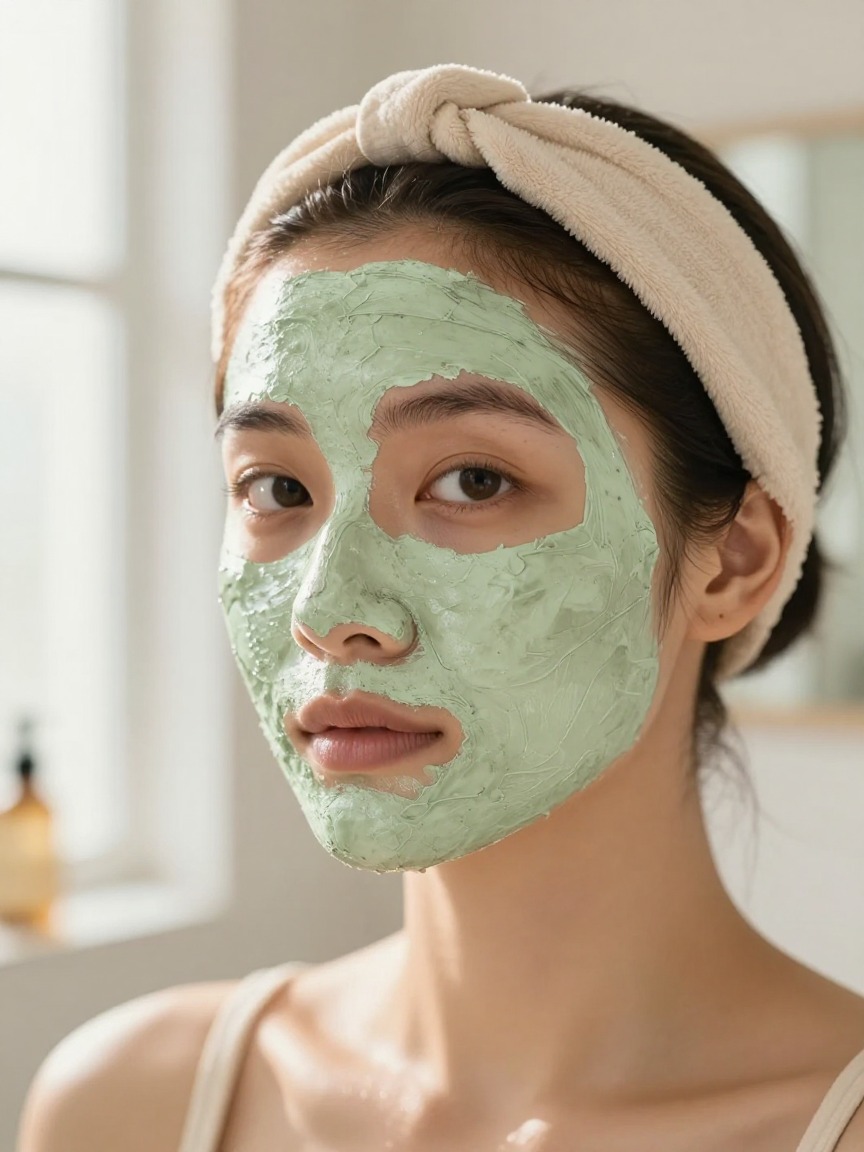
A weekly clay mask is a useful extra, not a daily need. The Aztec Secret Indian Healing Clay draws out excess oil when skin feels congested. Use a clay mask once a week and watch how skin responds afterward. If it feels tight or looks flaky, scale back the frequency. More steps for oily skin should always earn their place in the routine. When a product stops adding value, it is fine to drop it and keep things simple.
Affiliate disclosure: We may earn a commission from qualifying purchases made through links on this page, at no extra cost to you. Some links on this page are affiliate links.
Recommended skincare routine for oily skin
Editor-picked products from our guides.

Foaming Facial Cleanser
CeraVe
A true foaming gel cleanser that lifts oil and daily buildup. Ceramides and niacinamide in the formula help keep the barrier intact, so skin doesn't rebound oilier a few hours later.
- Foams enough to feel like it's actually cleaning without over-stripping
- Ceramides and niacinamide offset the drying effect most foaming cleansers have
- Fragrance-free and non-comedogenic
- On very high-oil days, some users want a BHA cleanser layered in behind it for a fully deep-clean feel

Skin Perfecting 2% BHA Liquid Exfoliant
Paula's Choice
Salicylic acid is oil-soluble, so it can get down into an oil-clogged pore rather than just exfoliating the surface. It's the step that addresses oily skin's root issue, not just the shine.
- Leave-on liquid penetrates oil-clogged pores better than a rinse-off scrub
- Noticeably improves blackheads and rough texture with consistent use
- Lightweight and alcohol-free despite being a leave-on acid
- Can cause purging and mild stinging in the first few weeks. Introduce it slowly — two to three nights a week at first, not daily

Niacinamide 10% + Zinc 1%
The Ordinary
Niacinamide is one of the better-studied ingredients for regulating oil production and calming redness. The added zinc gives a mild oil-absorbing boost. It's the step that targets the oiliness itself, not just the symptoms.
- Genuinely helps cut down midday shine with regular use
- Also helps fade post-breakout marks over time
- Cheap enough that most people can commit to using it daily
- The high concentration can cause temporary flushing or slight tingling, and it can pill under thicker products for some users