


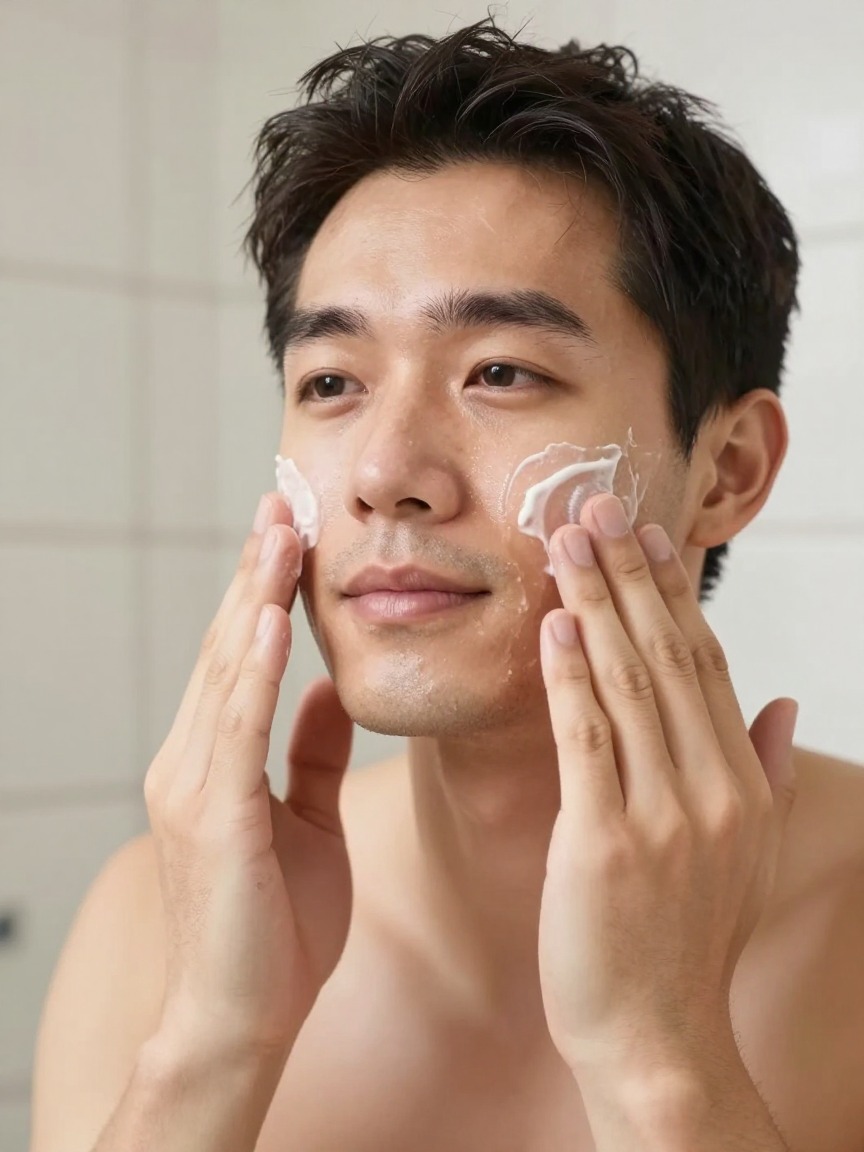
Should oily skin use moisturizer?
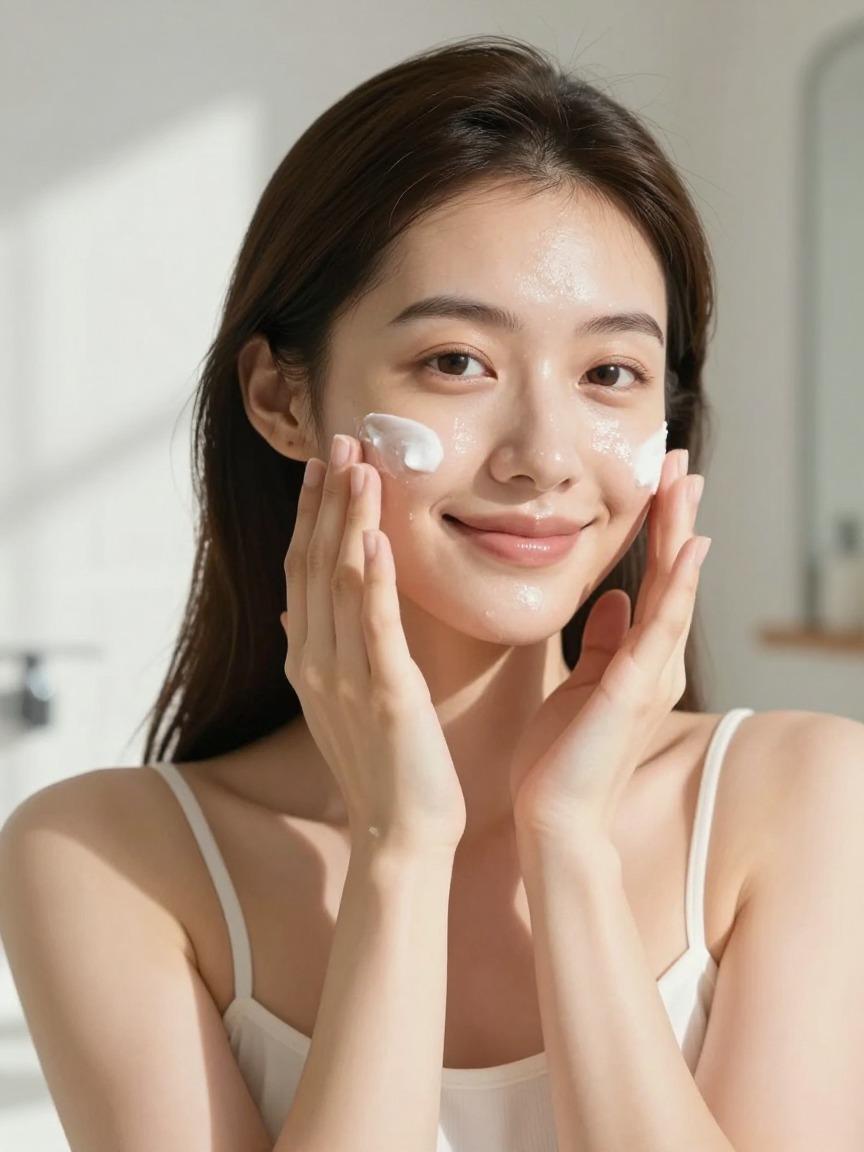
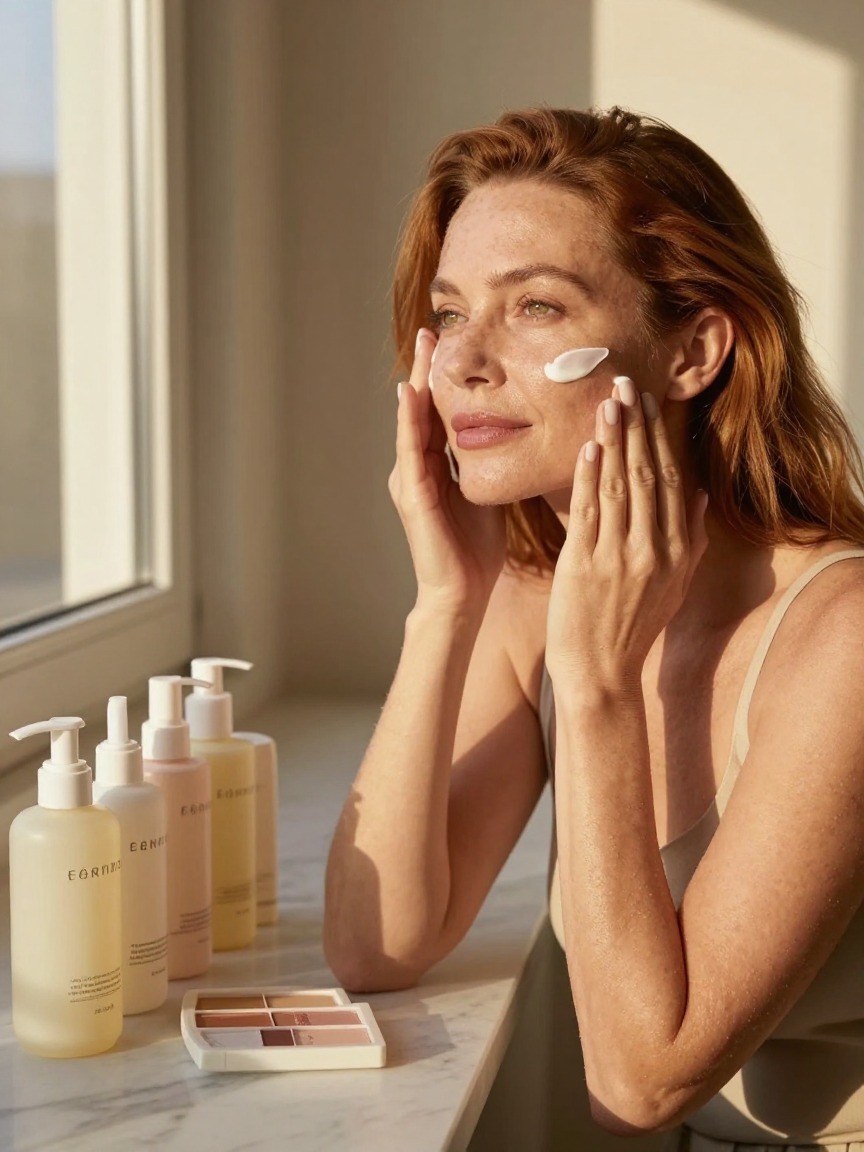
Yes, oily skin should use moisturizer every day. Skipping it is one of the most common oily-skin mistakes. Oily skin can still be dehydrated, which means it lacks water even while it makes plenty of oil. When you leave that skin bare, it often reads the dryness as a signal to make more oil. So skipping moisturizer can quietly make shine worse. The real fix is not avoiding the step. It is choosing a lighter texture that adds water without heaviness.
Think of oil and water as two different needs. Oil is what your skin makes. Water is what a good moisturizer helps hold in. Oily skin usually has enough of the first and not enough of the second. A light gel restores that balance. Neutrogena Hydro Boost Water Gel is a popular water-based pick. The Ordinary Natural Moisturizing Factors gives a simple, affordable option. La Roche-Posay makes light textures aimed at oily and breakout-prone skin. Hydration and oil control are not opposites. In fact, well-hydrated skin often looks less shiny by midday. When the surface has enough water, it stops overproducing oil to compensate. That is the quiet logic behind moisturizing oily skin. Skipping the step to feel less greasy usually backfires within hours. So the smarter move is a light layer of water-based moisture, morning and night. Your skin learns it does not need to flood itself with oil.
So the honest answer is a firm yes. Oily skin needs moisturizer as much as any other type. The trick is texture, not skipping the step.
Choosing a non-comedogenic, gel-based moisturizer to control oil production
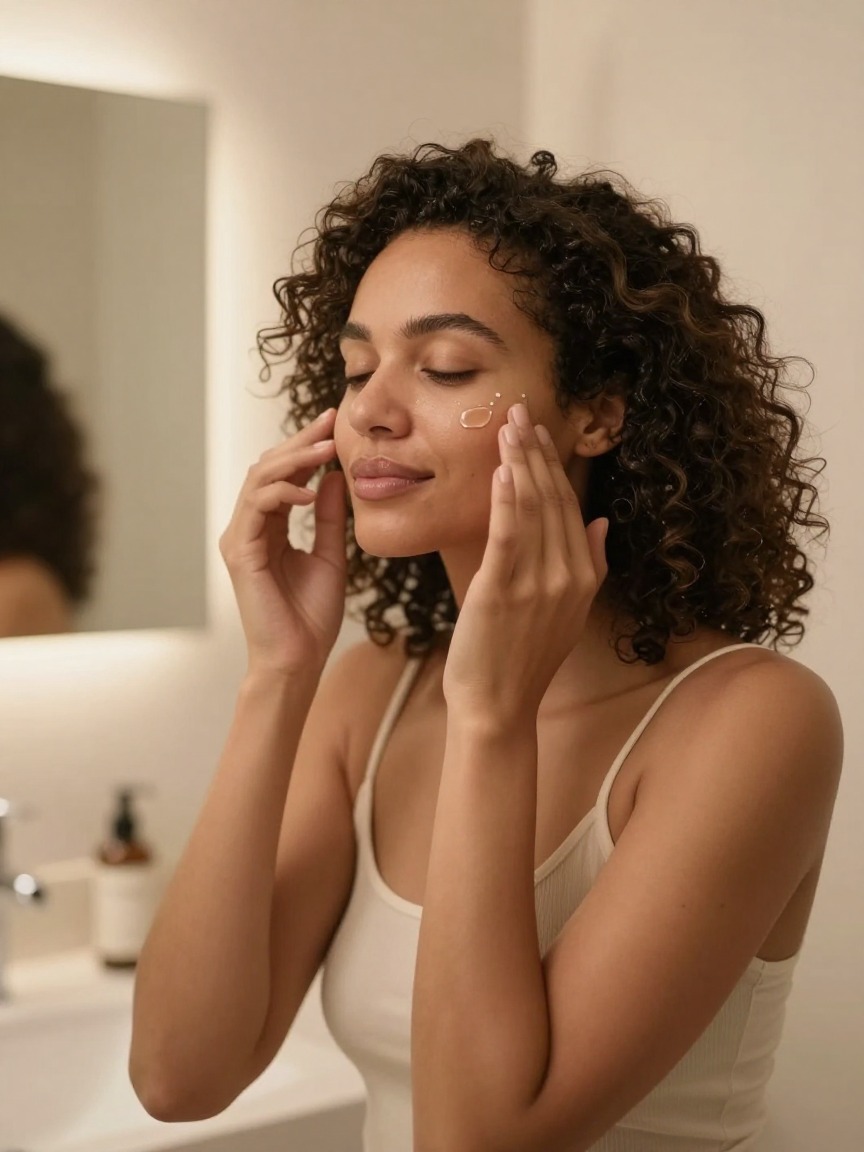
The right words on the label make all the difference. Look for non-comedogenic, which means the formula is designed not to clog pores. Look for oil-free and gel-based textures too. A gel-based moisturizer feels light, sinks in fast, and leaves no greasy film. That suits oily skin far better than a rich, waxy cream. When hydration is steady, skin has less reason to ramp up oil production. Over time that can mean a calmer, more even shine. Reading labels takes practice, but a few clues help. Words like gel, water-based, and mattifying usually point to lighter textures. Thick, buttery creams and heavy oils are better saved for dry patches. If a product leaves a greasy film after a few minutes, it is too rich. Trust how your skin feels, not just the marketing on the front. The right non-comedogenic pick should feel like nothing at all.
Cleansing and treatment steps matter alongside moisturizer. A gentle wash and a well-placed exfoliant keep pores clear so the moisturizer works. Consider building a simple routine:
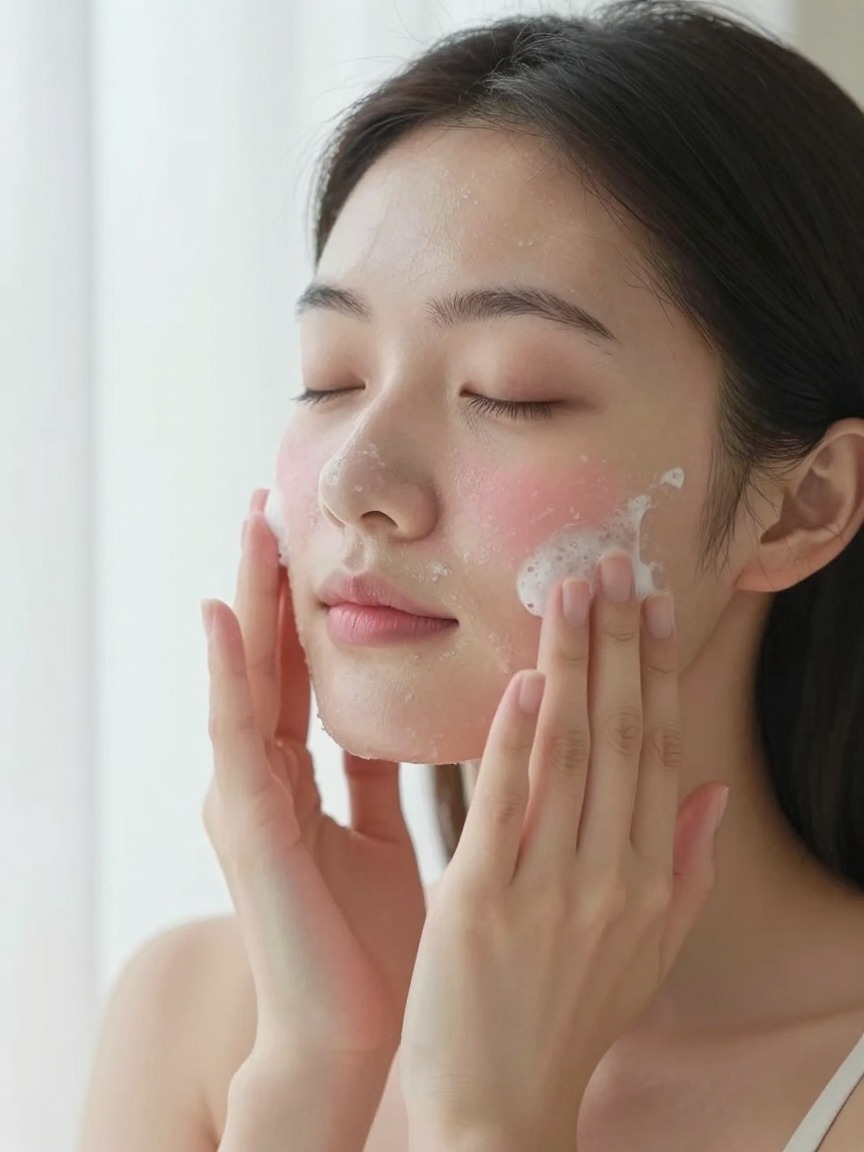
- Wash with CeraVe Foaming Facial Cleanser morning and night.
- Use Paula's Choice 2% BHA Liquid Exfoliant a few times a week.
- Layer a light, non-comedogenic gel, then sunscreen by day.
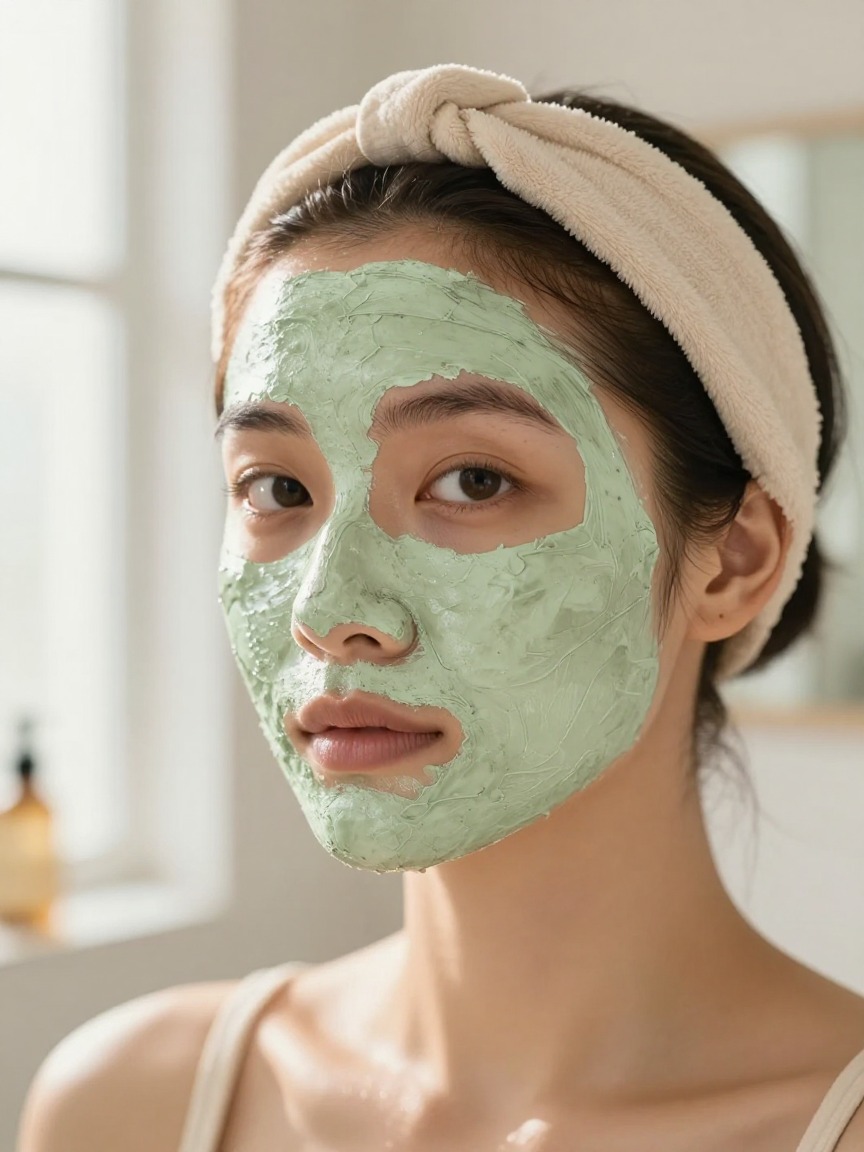
A weekly clay mask like Aztec Secret Indian Healing Clay can absorb extra oil, but do not overdo it. Over-drying restarts the whole rebound cycle and pushes oil production back up. Balance is the goal, not a squeaky-clean, tight feeling. If oily skin comes with painful or stubborn breakouts, a dermatologist can guide stronger options. For everyday care, a light, non-comedogenic, gel-based moisturizer is the smart, sustainable choice for oily skin. Give any new moisturizer a couple of weeks before you judge it. Oily skin usually settles once the hydration stays steady.
Affiliate disclosure: We may earn a commission from qualifying purchases made through links on this page, at no extra cost to you. Some links on this page are affiliate links.
Recommended skincare routine for oily skin
Editor-picked products from our guides.

Foaming Facial Cleanser
CeraVe
A true foaming gel cleanser that lifts oil and daily buildup. Ceramides and niacinamide in the formula help keep the barrier intact, so skin doesn't rebound oilier a few hours later.
- Foams enough to feel like it's actually cleaning without over-stripping
- Ceramides and niacinamide offset the drying effect most foaming cleansers have
- Fragrance-free and non-comedogenic
- On very high-oil days, some users want a BHA cleanser layered in behind it for a fully deep-clean feel

Skin Perfecting 2% BHA Liquid Exfoliant
Paula's Choice
Salicylic acid is oil-soluble, so it can get down into an oil-clogged pore rather than just exfoliating the surface. It's the step that addresses oily skin's root issue, not just the shine.
- Leave-on liquid penetrates oil-clogged pores better than a rinse-off scrub
- Noticeably improves blackheads and rough texture with consistent use
- Lightweight and alcohol-free despite being a leave-on acid
- Can cause purging and mild stinging in the first few weeks. Introduce it slowly — two to three nights a week at first, not daily

Niacinamide 10% + Zinc 1%
The Ordinary
Niacinamide is one of the better-studied ingredients for regulating oil production and calming redness. The added zinc gives a mild oil-absorbing boost. It's the step that targets the oiliness itself, not just the symptoms.
- Genuinely helps cut down midday shine with regular use
- Also helps fade post-breakout marks over time
- Cheap enough that most people can commit to using it daily
- The high concentration can cause temporary flushing or slight tingling, and it can pill under thicker products for some users