

How much moisturizer to use on your face and neck
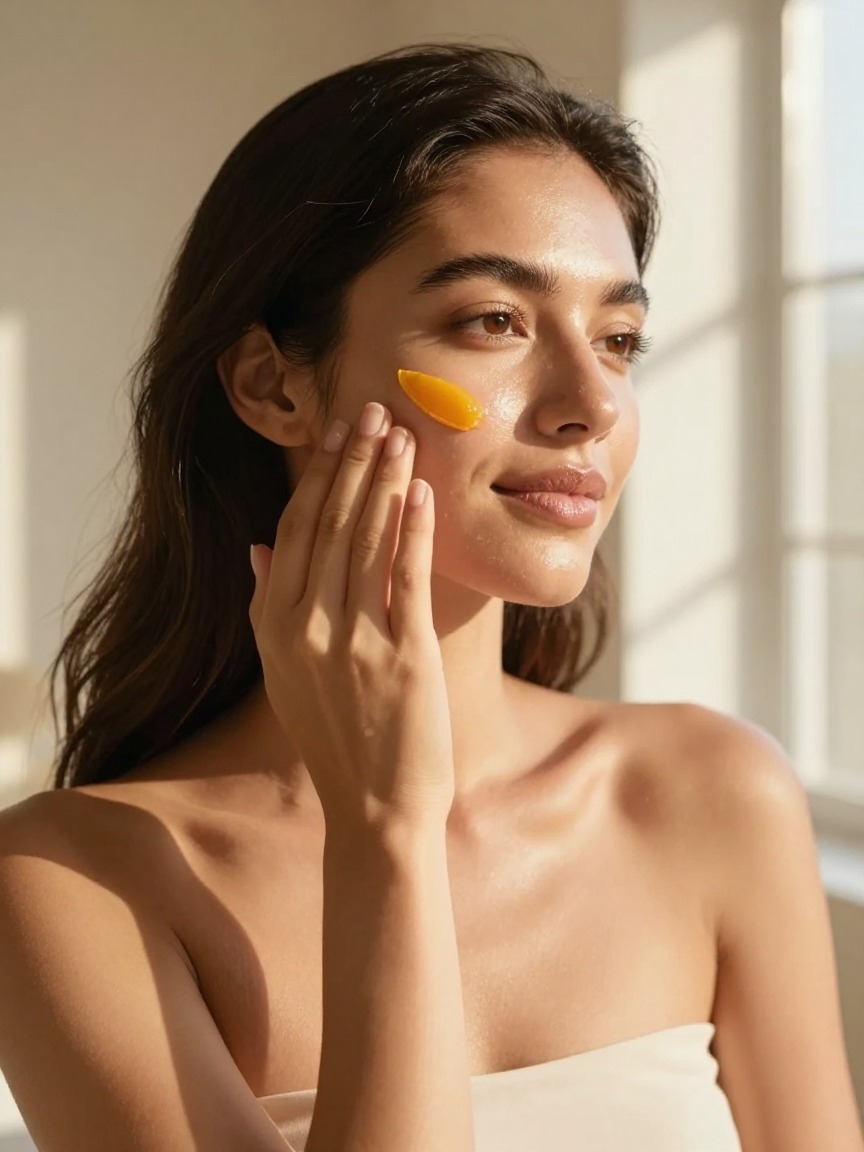
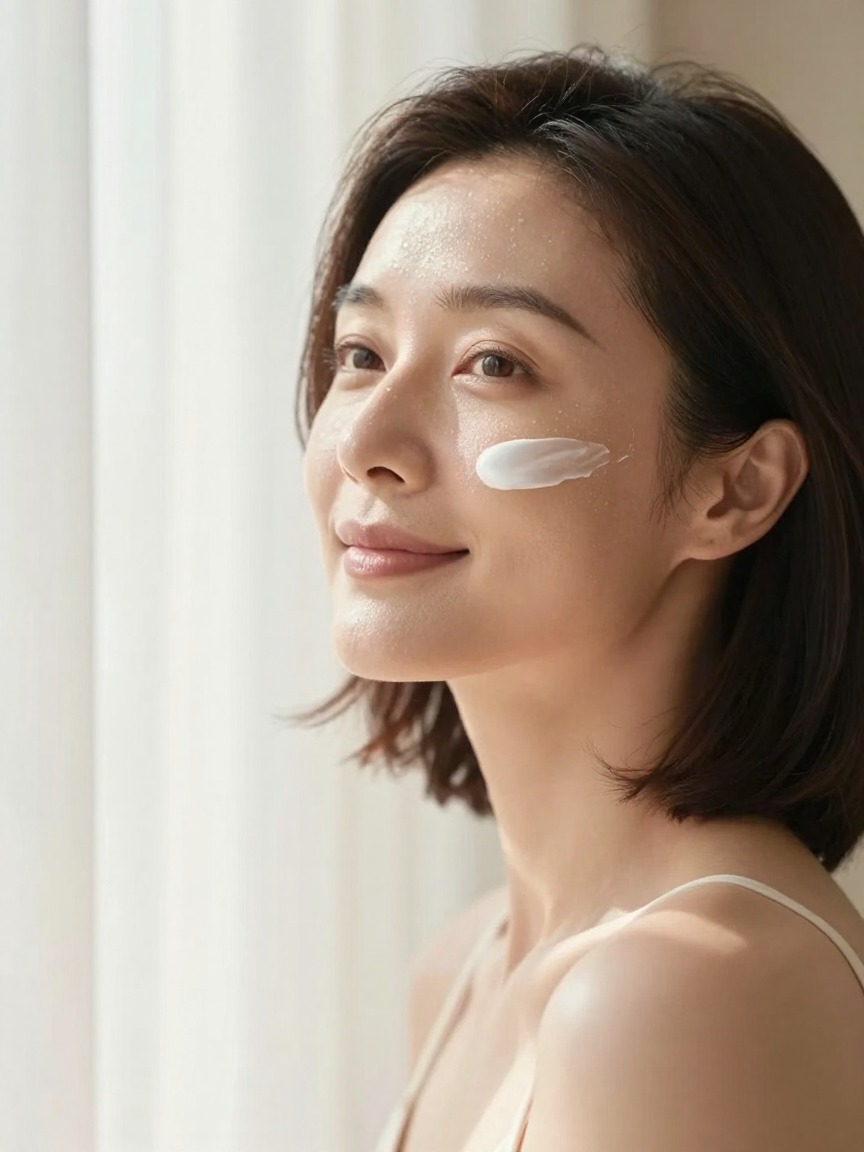
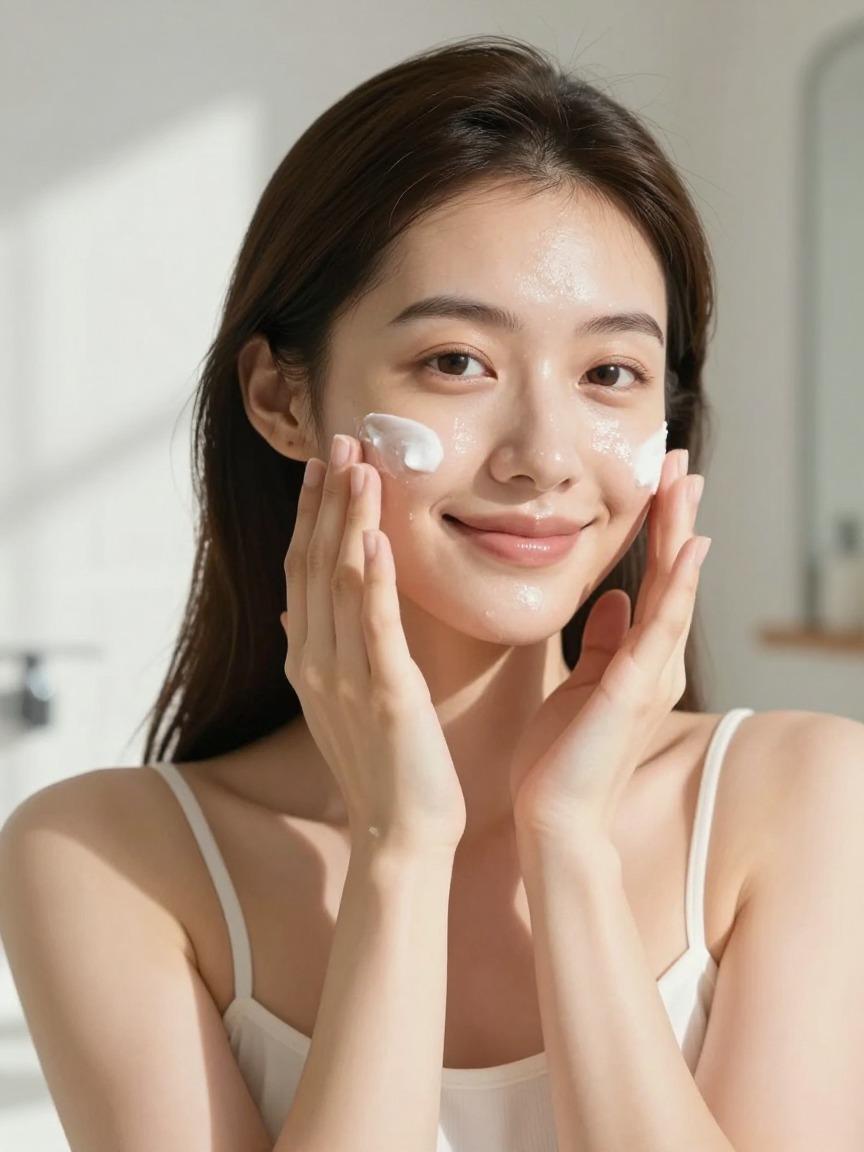
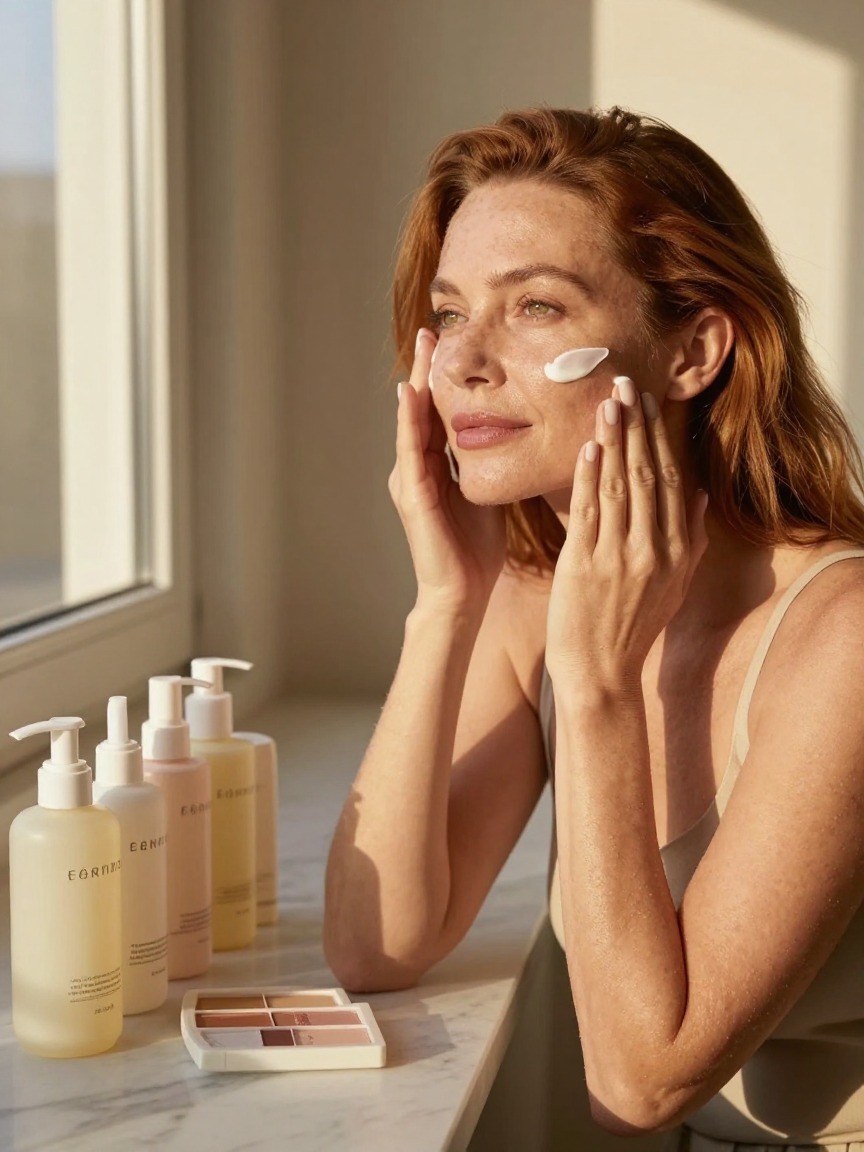
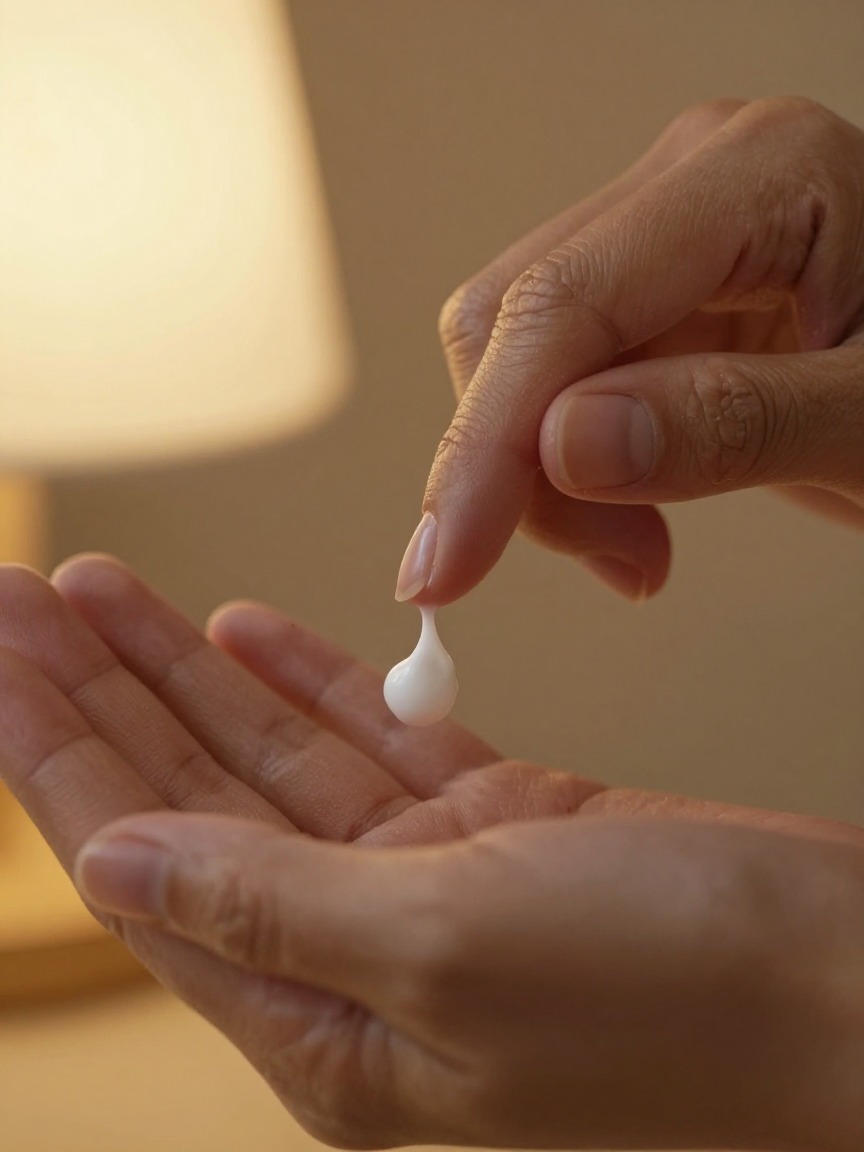
A pea-sized amount of moisturizer usually covers the whole face and neck. That holds true for most lotions and light creams. Richer, more occlusive formulas often need even less than that. Start small and add a little only if your skin still feels dry after a minute. It is much easier to add more than to blot off a heavy, greasy layer. Think of the pea as a baseline you adjust, not a strict measurement you must hit every single time you apply.
Wondering how much moisturizer is simply too much? More does not absorb any faster. Extra product just sits on the surface of the skin. On oily or acne-prone skin, that can lead to product buildup and clogged pores over time. So the honest answer to how much moisturizer to use is less than you might think. A thin, even film is the goal you are aiming for. If your skin looks shiny and feels tacky minutes later, you probably used too much.
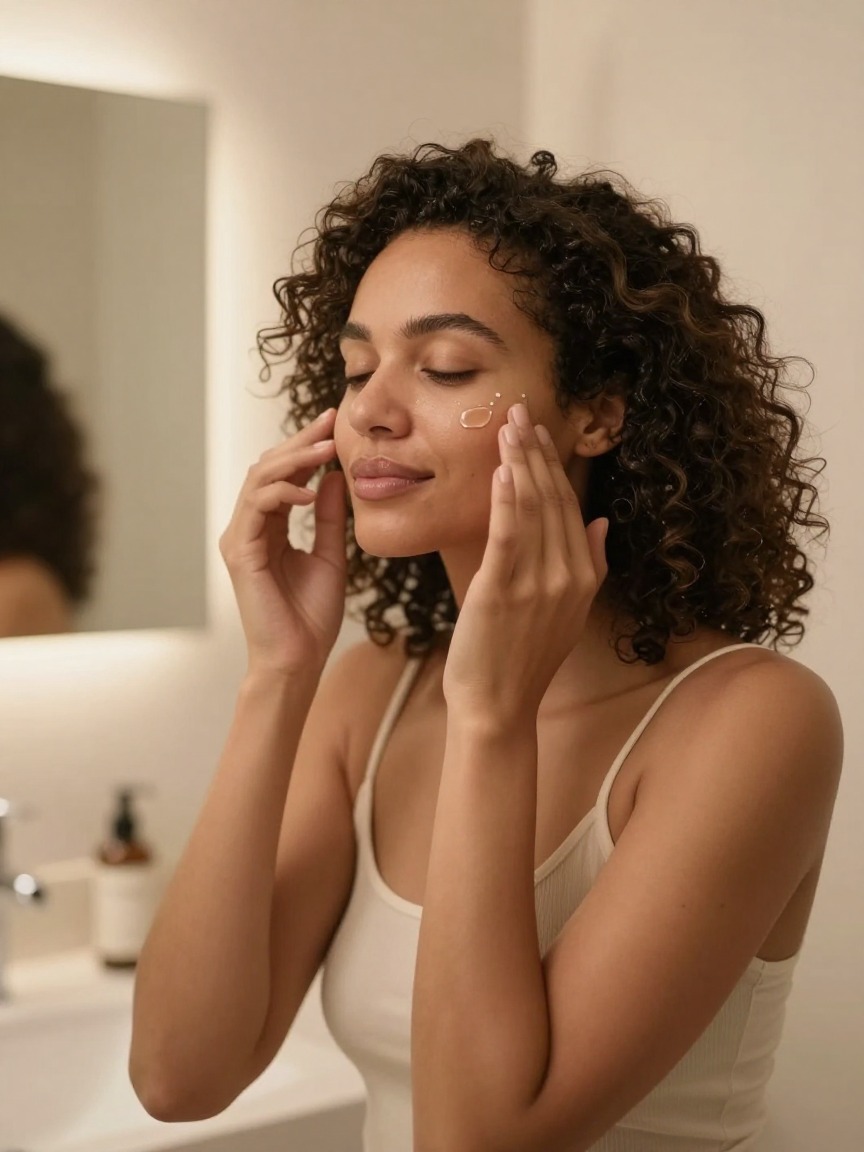
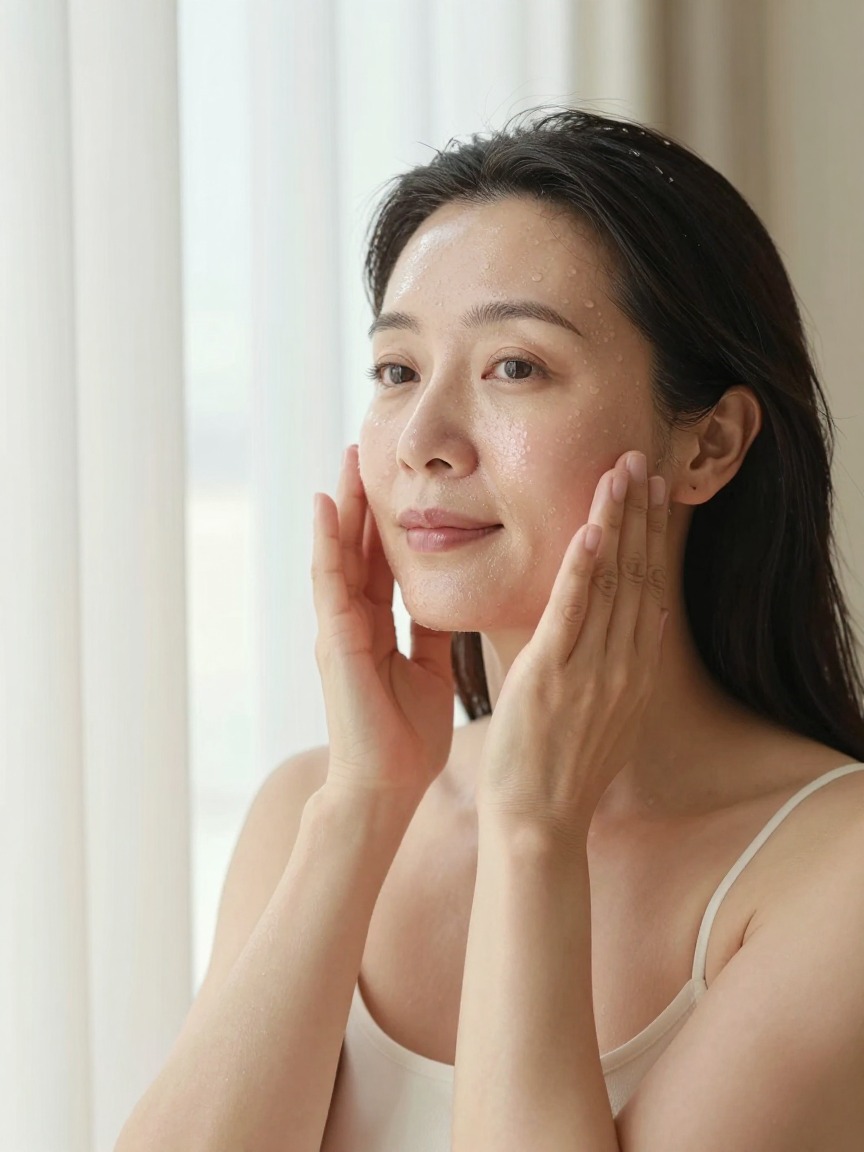
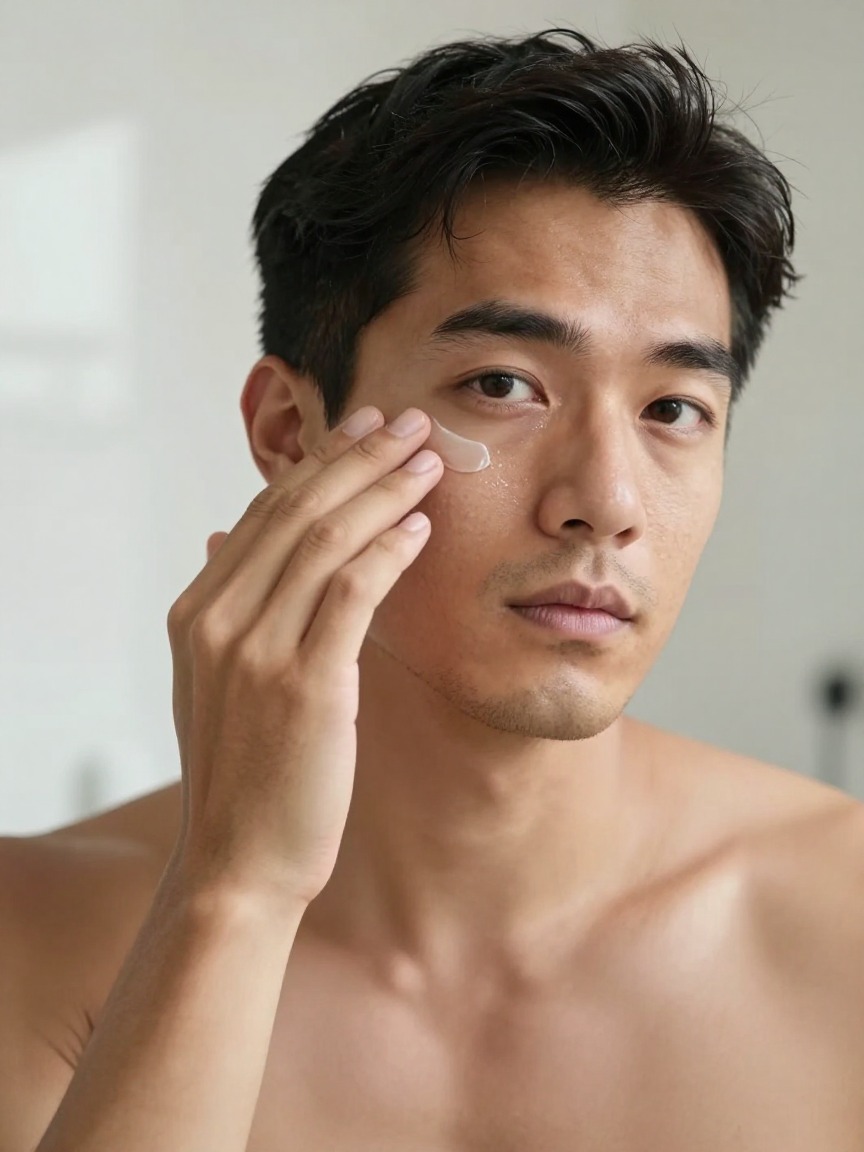
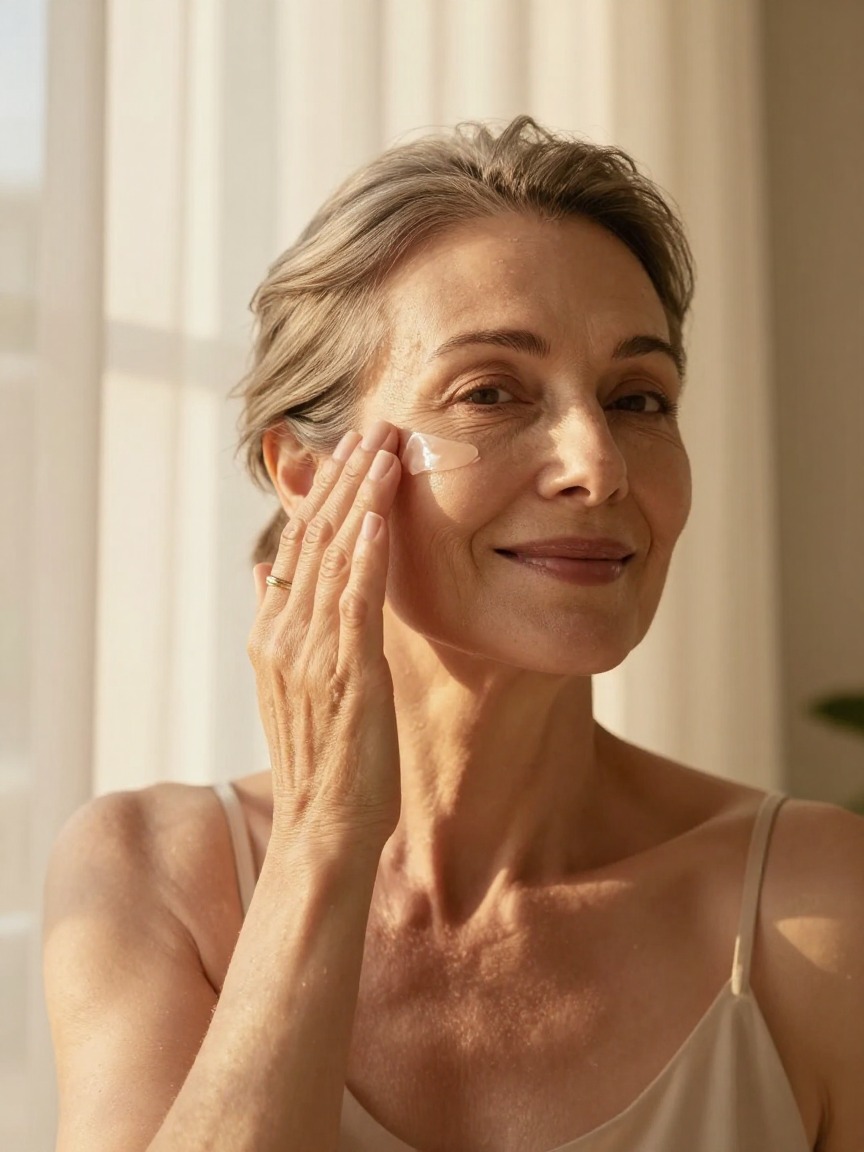
Technique helps the moisturizer do its job well. Apply it to slightly damp skin to help trap water underneath. Spread it evenly across the face and neck in a thin layer. Then give it a minute to sink in before sunscreen or makeup. Do not forget the neck, since it shows dryness and age too. Warming the product between your fingers first can help it glide on more smoothly and cover more evenly.
A pea-sized amount and avoiding product buildup
A pea-sized amount is a useful starting guide, not a strict rule. Thin, watery gels may need a touch more to cover everything. Thick balms usually need a touch less. Let how your skin feels guide the final amount, not the size of the dollop. Different areas can need different amounts too. Drier cheeks might want a little more, while an oily T-zone needs less to feel comfortable and balanced.
Different textures spread differently on the skin. The Neutrogena Hydro Boost Water Gel is light, so a pea-sized amount goes far. The CeraVe Moisturizing Cream and the Kiehl's Ultra Facial Cream are richer, so you can use even less. The Cetaphil Daily Hydrating Lotion sits somewhere in the middle. Match the amount to the texture in your hand each time. A rich cream simply covers more skin per dab than a thin lotion does.
- Begin with a pea-sized amount for the face.
- Add a little more for the neck if needed.
- Use less with a rich moisturizing cream.
- Apply to damp skin for better absorption.
- Stop before you feel a heavy, tacky layer.
Overloading is the main cause of product buildup. Layers that never absorb can pill under makeup and trap oil against the skin. If you use a hydrating serum first, like The Ordinary Natural Moisturizing Factors + HA, you may need even less cream on top. A thin, even layer of moisturizing cream protects the barrier without a greasy feel. The La Roche-Posay Toleriane Double Repair Face Moisturizer is a balanced daily option. When in doubt, use a little less and reapply only if your skin still feels tight. Watch the clock for a moment after you apply. If the cream fully absorbs and skin feels soft, the amount was right. If it feels greasy or looks shiny, ease off next time. Seasons change your needs too, so use a bit more in winter and less in summer. Let your skin, not a fixed rule, set the final amount.
Affiliate disclosure: We may earn a commission from qualifying purchases made through links on this page, at no extra cost to you. Some links on this page are affiliate links.
Recommended everyday face moisturizers
Editor-picked products from our guides.

CeraVe Moisturizing Cream
CeraVe
It pairs three essential ceramides with hyaluronic acid in a rich, fragrance-free base. Long-term users with dry, compromised skin consistently praise it. It's also inexpensive enough to use liberally.
- Ceramide + hyaluronic acid formula supports the skin barrier
- Fragrance-free and well-tolerated by sensitive skin
- Large jar size makes it very cost-effective per ounce
- The tub packaging means dipping fingers into the product, which isn't ideal for hygiene or portability
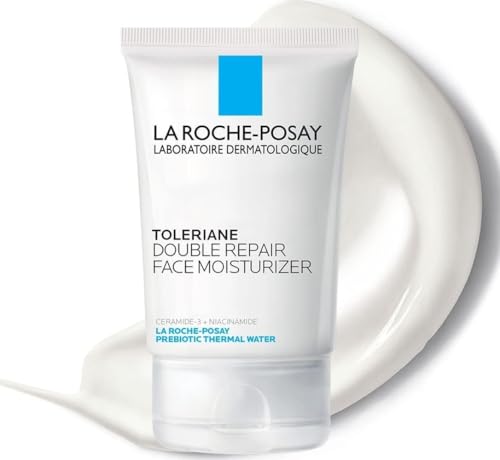
Toleriane Double Repair Face Moisturizer
La Roche-Posay
It combines ceramides and niacinamide with La Roche-Posay's prebiotic thermal spring water. The formula targets compromised or reactive skin barriers specifically. It also layers well under sunscreen or makeup.
- Lightweight gel-cream that absorbs quickly without pilling
- Formulated with dermatologists for sensitive and barrier-compromised skin
- Works well as a buffer layer under retinoids or exfoliating acids
- Its lighter texture may not be enough on its own for very dry skin in cold, low-humidity winters

Natural Moisturizing Factors + HA
The Ordinary
It delivers a straightforward blend of amino acids, fatty acids, and hyaluronic acid. The formula is modeled on skin's own natural moisturizing factors. It also costs less per ounce than nearly any other pick here.
- Very low price relative to the ingredient quality
- Fragrance-free, simple formula with few likely irritants
- Lightweight enough to layer under other products or makeup
- Thin texture isn't occlusive enough for dry or mature skin without a heavier cream layered on top, especially in winter