
How to Choose a Moisturizer by Skin Type
"Best moisturizer" is a meaningless question without a skin type attached. A formula that works on oily, acne-prone skin will feel greasy on dry skin. A rich cream that saves dry skin in winter can trigger breakouts on oily skin. Here's how to read your own skin and shop accordingly.
Oily Skin: Non-Comedogenic, Gel-Cream Formulas
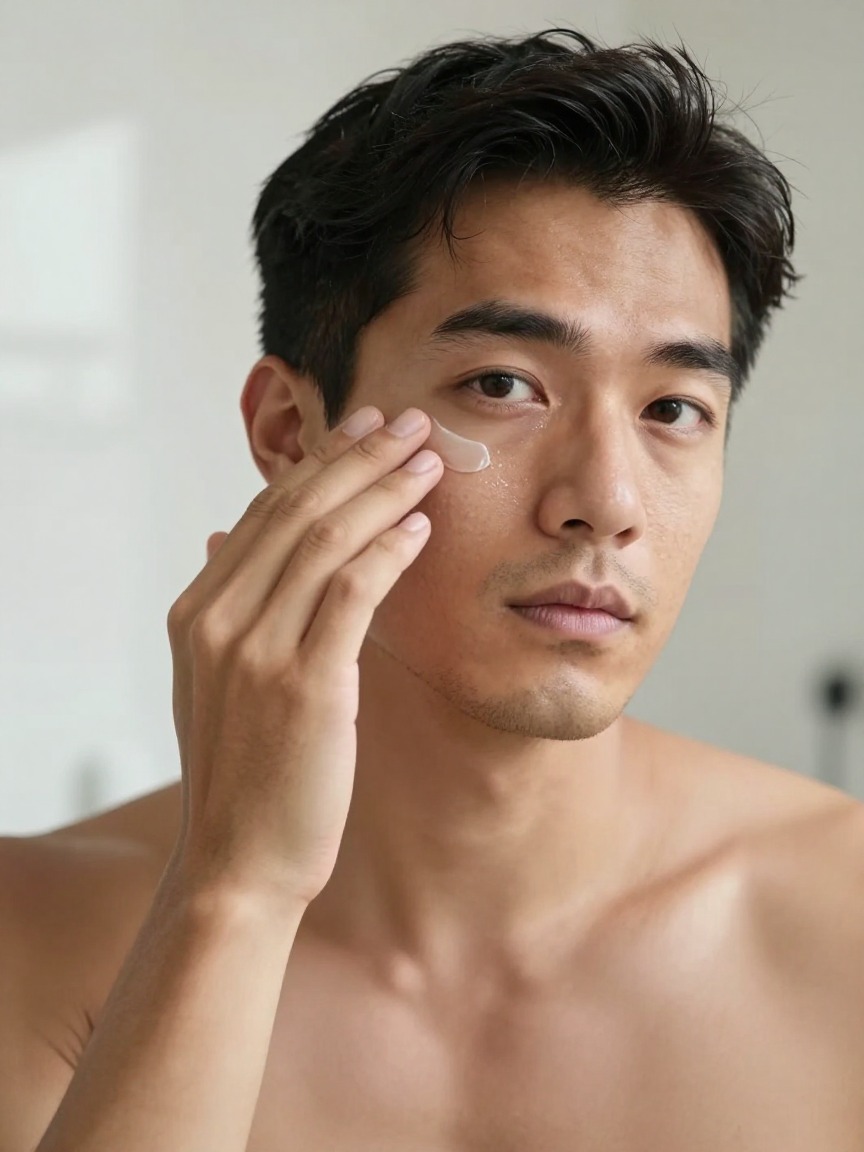
Oily skin produces excess sebum. That can make it tempting to skip moisturizer entirely — the single most common mistake for this skin type. Stripping skin with harsh cleansers, or skipping moisturizer, tends to trigger more oil, not less. Look for "gel," "water-gel," "oil-free," and "non-comedogenic" on the label. Favor a lightweight gel-cream texture. A well-chosen formula should absorb within a minute or two and leave skin matte, not shiny. Neutrogena Hydro Boost Water Gel is a well-known example of this texture.
Dry Skin: Ceramides & Occlusive Creams
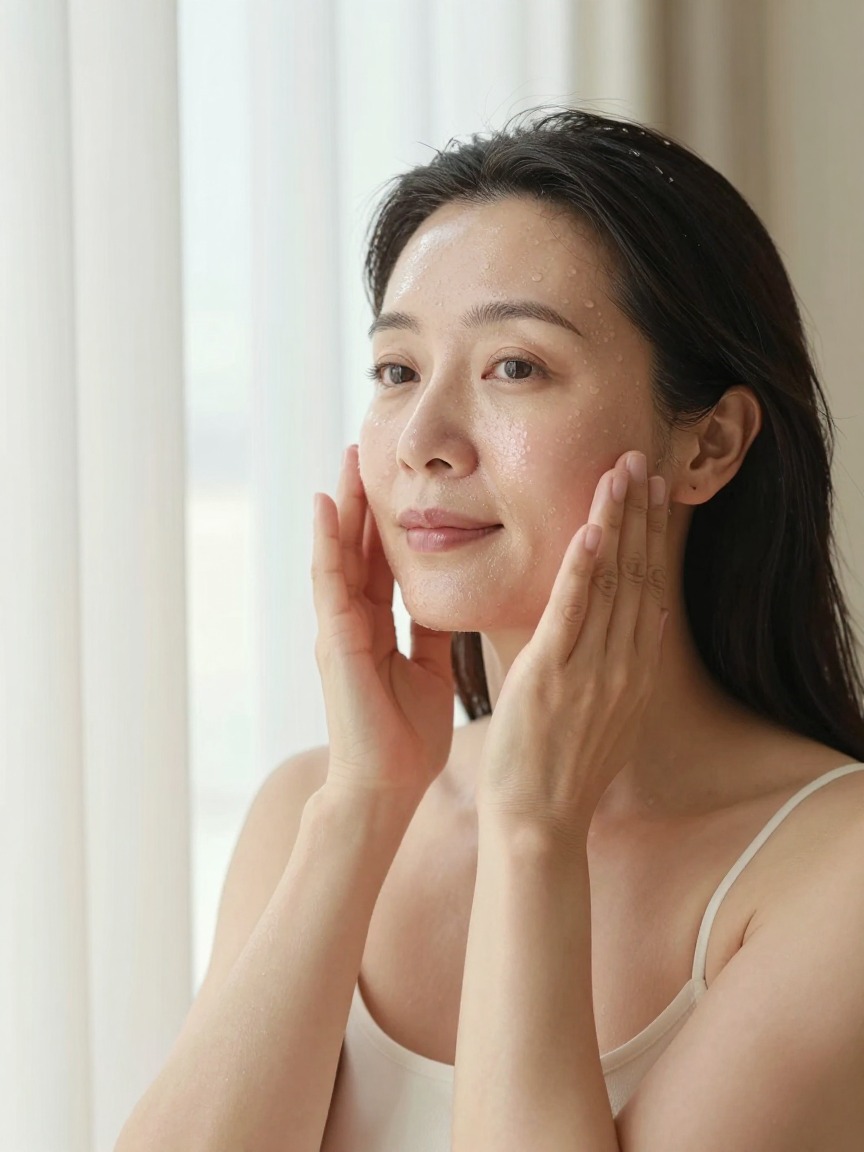
Dry skin lacks enough natural oil. It often shows visible flaking, tightness after cleansing, or a dull texture. This skin type benefits most from richer creams that combine humectants with real occlusive power — ceramides, squalane, shea butter, and sometimes petrolatum. Cream or balm textures in a jar are usually formulated with dry skin in mind. Applying moisturizer to slightly damp skin right after cleansing makes a real difference here. CeraVe Moisturizing Cream, built around three ceramides, is a widely used example of this category.
Combination Skin: Balancing Two Textures
Combination skin — typically an oilier T-zone with drier cheeks — doesn't need two separate routines. The simplest approach is a lightweight lotion applied to the whole face. Press a slightly richer cream into the drier areas as needed. Multi-masking with two full routines is rarely necessary.
Sensitive Skin: Fragrance-Free Formulas, Patch Test First
Sensitive skin flags itself with stinging, redness, or breakouts after new products. The safest strategy is a fragrance-free formula with a short ingredient list. Favor core barrier-support ingredients over trendy actives. Always patch test a new moisturizer on the inner forearm for two to three days before your face. Introduce only one new product at a time. La Roche-Posay Toleriane Double Repair pairs ceramides with niacinamide for this exact profile.
Acne-Prone Skin: Hyaluronic Acid & Niacinamide
Acne-prone skin isn't the same as oily skin, though the two often overlap. You can be acne-prone and dry, especially on acne treatments like benzoyl peroxide or retinoids, which are drying. Look for "non-comedogenic" labeling and lightweight lotion textures with hyaluronic acid or niacinamide. If you're on a prescription treatment, a simple, gentle moisturizer to offset dryness is usually more useful than one marketed "for acne." The Ordinary Natural Moisturizing Factors + HA is a simple, budget option built around this pairing.
Mature Skin: Humectants & Skin Barrier Support
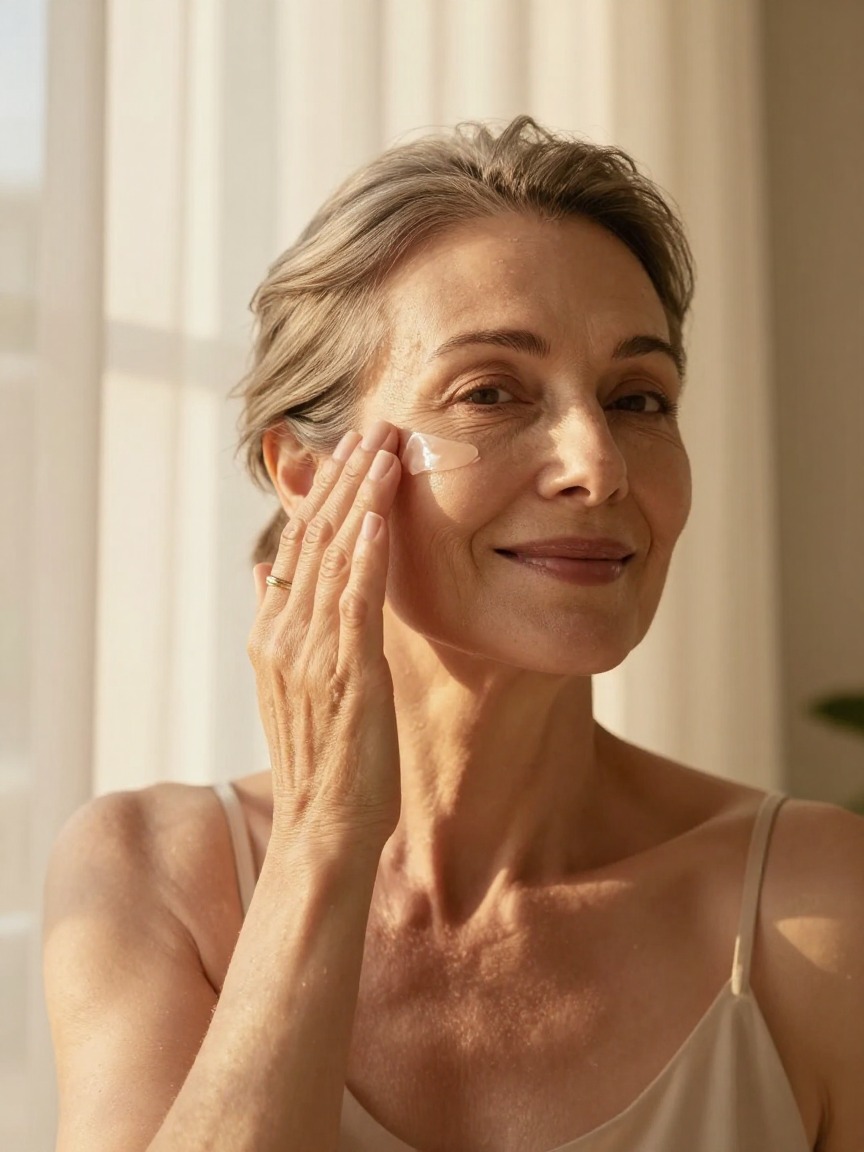
Oil production and barrier lipid levels both tend to decline with age. A lighter gel that worked fine at 25 can feel insufficient at 55. Richer creams with ceramides and peptides serve mature skin better, alongside consistent humectant use and daily sunscreen. Kiehl's Ultra Facial Cream, built with squalane, is a long-time favorite in this category. Sunscreen does more for skin's long-term appearance than any single "anti-aging" claim on a label, whatever that moisturizer's skin barrier support.
When to See a Dermatologist Instead of More Moisturizer Testing
Skin type can shift with the seasons, hormones, medication, and age. It's worth reassessing every few months rather than assuming an old go-to still fits. A real diagnosis question — persistent acne, a rash, rosacea flares, or unexplained irritation — belongs with a dermatologist, not more moisturizer testing.