

Skip to content
Everyday Face Moisturizers · Deep dive

Humectants, Emollients & Occlusives Explained

Humectants, Emollients & Occlusives Explained

Read the ingredient list of almost any moisturizer. You'll find ingredients doing one of three jobs: pulling water toward the skin, smoothing its surface, or sealing that water in. Knowing which is which makes a label easy to read. It also helps you predict how a product will actually feel, instead of trusting marketing language like "deeply hydrating," which isn't a regulated claim. Look at the label on a CeraVe, La Roche-Posay, The Ordinary, Neutrogena, Kiehl's, or Cetaphil moisturizer, and you'll see this same three-part structure repeat.

Humectants: Hyaluronic Acid, Glycerin & Sodium Hyaluronate

Humectants attract water molecules. They draw water toward the skin's surface, from the air in humid conditions or from deeper skin layers in dry conditions. Common humectants include hyaluronic acid, glycerin, urea, and sodium hyaluronate, the salt form of hyaluronic acid. Glycerin is one of the most well-studied moisturizing ingredients available, despite being cheap and unglamorous. The catch: in a very dry room, a humectant alone can pull water from lower skin layers toward the surface, where it evaporates. That leaves skin drier than before. Pair humectants with a light emollient or occlusive on top, especially in winter.

Emollients: Squalane, Plant Oils & Fatty Alcohols

Emollients fill the microscopic gaps between skin cells. That's what gives a moisturizer its immediate smoothing feel. Squalane, plant oils like jojoba and sunflower seed oil, fatty alcohols, and ceramides all function as emollients. Ceramides also do double duty as real barrier-repair ingredients, not just surface-smoothing ones. Emollients are the reason a moisturizer feels silky rather than sticky. They're usually the largest ingredient category in a well-balanced formula.

Occlusives: Petrolatum, Dimethicone & Ceramides for Barrier Repair

Occlusives form a physical film on the skin's surface. That film slows transepidermal water loss, the technical term for water evaporating out through skin. Petrolatum is the most-studied, most effective occlusive available. Despite an outdated reputation, it's considered safe and non-comedogenic in cosmetic-grade form. Dimethicone, beeswax, lanolin, and shea butter also function as occlusives to varying degrees. They're typically the heaviest-feeling ingredients in a formula. That's why gel moisturizers for oily skin contain little to none of them.

Layering for Oily Skin vs. Dry Skin

A well-formulated moisturizer usually blends all three categories in one product. You can also layer separate products to build a routine suited to your skin. Try a humectant-forward serum on damp skin first. Follow with a moisturizer that has emollients and some occlusive quality on top. This "humectant, then seal" order matters more than most people realize. Applying a rich occlusive cream before a hyaluronic acid serum simply blocks the humectant from penetrating.

A Common Myth: "Heavier Always Means More Moisturizing"

A thick, rich cream isn't automatically more effective than a lighter lotion or gel. It just means the formula leans harder on emollients and occlusives relative to humectants. For oily or combination skin, that heaviness often just sits on top without adding meaningfully more hydration. It also raises the chance of clogged pores or a greasy feel. The right balance of these three ingredient types is specific to your skin.

Reading an Ingredient List and Ingredient Label

Once you know what to look for, most labels become easy to decode. Near the top of the ingredient list — meaning higher concentration — you'll typically see water first, then a mix of humectants and emollients. Common humectant names to watch for on any ingredient label: glycerin, sodium hyaluronate, butylene glycol, and urea. Emollients often show up as plant oil names, like jojoba seed oil or sunflower seed oil, plus squalane or fatty alcohols like cetyl alcohol. Occlusives are usually easy to spot too: petrolatum, dimethicone, beeswax, and mineral oil are the most common.

Transepidermal Water Loss: Why This Matters More Than Chasing New Ingredients

Skincare marketing tends to spotlight whatever ingredient is trending. But the humectant-emollient-occlusive framework is the more reliable lens for predicting how a moisturizer will perform. A product built around an exciting new peptide will still feel wrong for you if its humectant-to-occlusive balance doesn't match your skin. Understanding transepidermal water loss, and which ingredients slow it, is the single most useful skill for choosing a moisturizer that actually works.
You may be interested in

Popular picks from related categories, chosen with the same rubric.

Editor's Pick #1
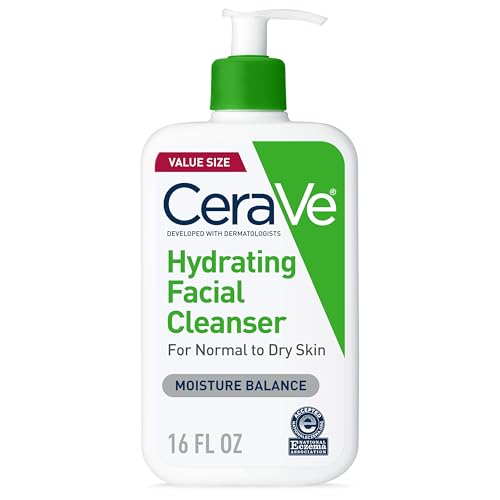
Hydrating Facial Cleanser
Dry-to-normal sensitive skin, especially anyone also using retinoids or other actives

Hydrating Facial Cleanser

CeraVe

It's formulated with three ceramides, hyaluronic acid, and a National Eczema Association seal. Dermatologists mention it most often for reactive skin. It's a genuinely non-foaming, low-irritation formula that doesn't strip the barrier.

Ceramide and hyaluronic acid formula supports the skin barrier while cleansing
Fragrance-free, non-foaming, and won't disrupt a compromised moisture barrier
Budget-friendly per ounce and widely available at drugstores
Doesn't fully dissolve heavy sunscreen or long-wear makeup on its own, so double-cleansing days may need a micellar water or oil-based first step
Best Value #2
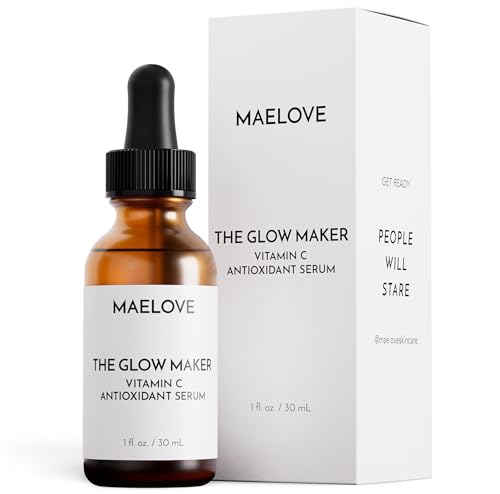
Glow Maker
Readers who want a well-formulated L-ascorbic acid serum without the prestige price tag

Glow Maker

Maelove

It leans on similar formulation logic to pricier serums: L-ascorbic acid plus vitamin E and ferulic acid. It costs a fraction of the price. That's why it's often called an affordable alternative to the prestige options.

Combines L-ascorbic acid with vitamin E and ferulic acid, echoing higher-end formulas
Opaque pump bottle helps limit light and air exposure
Noticeably cheaper per ounce than most L-ascorbic acid serums of similar formulation
The pump can dispense unevenly or feel like it needs priming, a minor but frequently mentioned annoyance
Editor's Pick #1
UV Clear Broad-Spectrum SPF 46
acne-prone, sensitive, or post-procedure skin that needs a dermatologist-trusted daily option

UV Clear Broad-Spectrum SPF 46

EltaMD

Dermatologists reach for EltaMD more than almost any other sunscreen. It pairs broad-spectrum zinc oxide protection with niacinamide and hyaluronic acid. The oil-free base is genuinely weightless and layers well under makeup.

Broad-spectrum SPF 46 with zinc oxide
Oil-free, non-comedogenic formula favored for acne-prone skin
Contains niacinamide and hyaluronic acid for added hydration
Pricier per ounce than most drugstore sunscreens, and the pump makes it easy to under-apply if you're not deliberate about the amount.
Editor's Pick #1
Super Volcanic Pore Clay Mask 2X
oily, pore-prone skin that wants a formula built specifically around pore congestion

Super Volcanic Pore Clay Mask 2X

innisfree

Two types of volcanic clay target sebum and blackheads. The texture isn't chalky or hard to remove like older clay formulas. It's also genuinely affordable for how often you'll reach for it.

Lightweight, non-cakey texture that spreads and rinses easily
Visibly reduces the look of congested pores after a single use
Priced low enough to use regularly without guilt
The mineral scent is noticeable and won't appeal to everyone
Editor's Pick #1
Skin Perfecting 2% BHA Liquid Exfoliant
Anyone dealing with clogged pores, blackheads, or rough, bumpy texture who wants an evidence-backed exfoliating toner

2% BHA Liquid Exfoliant

Paula's Choice

It's built around a well-studied 2% salicylic acid concentration at an effective pH. The base is fragrance-free and alcohol-free. That combination is why it's stayed a favorite among ingredient-focused shoppers for years, rather than fading as a trend.

2% salicylic acid at a pH that actually works
Fragrance-free and alcohol-free formula
Noticeably improves texture and blackheads with consistent use
The active concentration can cause redness or flaking in the first couple of weeks, so it's not the easiest starting point for very reactive or rosacea-prone skin
Editor's Pick #1
Contour Face
people who want the most clinically studied LED mask on the market and don't mind the price

Contour Face

Omnilux

Omnilux's LED technology is the same platform used in dermatology clinics. The Contour Face is its rigid, dermatologist-favorite home version, and it has more research behind it than most at-home competitors.

Extensive clinical research behind Omnilux's LED platform, more than most home devices
FDA-cleared for temporary reduction in the appearance of fine lines and wrinkles
Even, consistent light distance thanks to the rigid, hinged design
Rigid shell doesn't flex to different face shapes, there's no blue-light setting for acne, and it's one of the most expensive masks on the market

Affiliate disclosure: We may earn a commission from qualifying purchases made through links on this page, at no extra cost to you. Some links on this page are affiliate links.