What a Daily Moisturizer Does for Your Skin Barrier
A face moisturizer has one main job. It slows water loss from your skin. It helps keep the outer layer, the stratum corneum, intact. This layer is your skin barrier. A moisturizer is not a treatment product. It will not shrink pores or erase wrinkles. It will not clear acne on its own. What it can do is real, though. It makes dry, tight, or irritated skin more comfortable. It helps actives like retinoids sit better on skin. It gives you a smoother base for sunscreen or makeup. Judge a daily moisturizer on how it feels by evening, not on how long its ingredient list runs.
Matching Formulas to Oily Skin, Dry Skin, Combination Skin & Sensitive Skin
The biggest mistake is picking last year's formula. Skin changes with season, age, and routine. Here's how to match a formula to what your skin needs now.
- Oily skin or acne-prone skin: look for gel-cream or gel textures. Choose oil-free, non-comedogenic labels. Favor humectant-forward formulas like hyaluronic acid and glycerin, with minimal heavy oils.
- Dry skin or mature skin: look for ceramides, squalane, shea butter, or petrolatum. These richer creams seal moisture in. A jar or tub texture is usually built for this.
- Sensitive skin: choose fragrance-free formulas with short ingredient lists. Ceramides and niacinamide help calm a reactive barrier. Patch test before using anywhere near your eyes.
- Combination skin: use a lightweight lotion everywhere. Spot-apply a richer product to dry patches only.
Ceramides, Hyaluronic Acid, Niacinamide & Glycerin: Ingredients Worth Knowing
- Ceramides replace lipids your skin barrier loses with age. Over-cleansing strips them too.
- Hyaluronic acid pulls water into the skin surface. It works best on damp skin.
- Niacinamide supports the skin barrier. It can help with the look of uneven tone.
- Glycerin is an inexpensive, well-studied humectant. It shows up in almost every good formula.
Humectant vs. Occlusive: Why Both Matter in a Daily Moisturizer
A humectant pulls water toward the skin. An occlusive seals that water in. A good daily moisturizer usually needs both working together. A humectant alone, in a very dry room, can pull water from deeper skin layers instead of the air. That can leave skin drier than before.
Choosing Non-Comedogenic, Fragrance-Free, Gel-Cream Formulas
Non-comedogenic means a formula is less likely to clog pores. Fragrance-free matters most for sensitive or reactive skin. A gel-cream texture suits oily or combination skin best. Check the label for these three words before you buy.
Squalane, Petrolatum & When to See a Dermatologist
Squalane is a lightweight oil that mimics skin's own lipids. It rarely clogs pores. Petrolatum is an occlusive that locks hydration in. It's heavier, not "bad," just worth using where you need it. Skipping moisturizer because skin is oily usually backfires. Stripped skin often makes more oil to compensate. Layering too many actives without enough moisture support can compromise your skin barrier. If you have persistent redness, breakouts, or a rash that isn't improving, see a dermatologist. That's a question for a professional, not a new jar of cream.
Jar, pump or tube: which format to buy
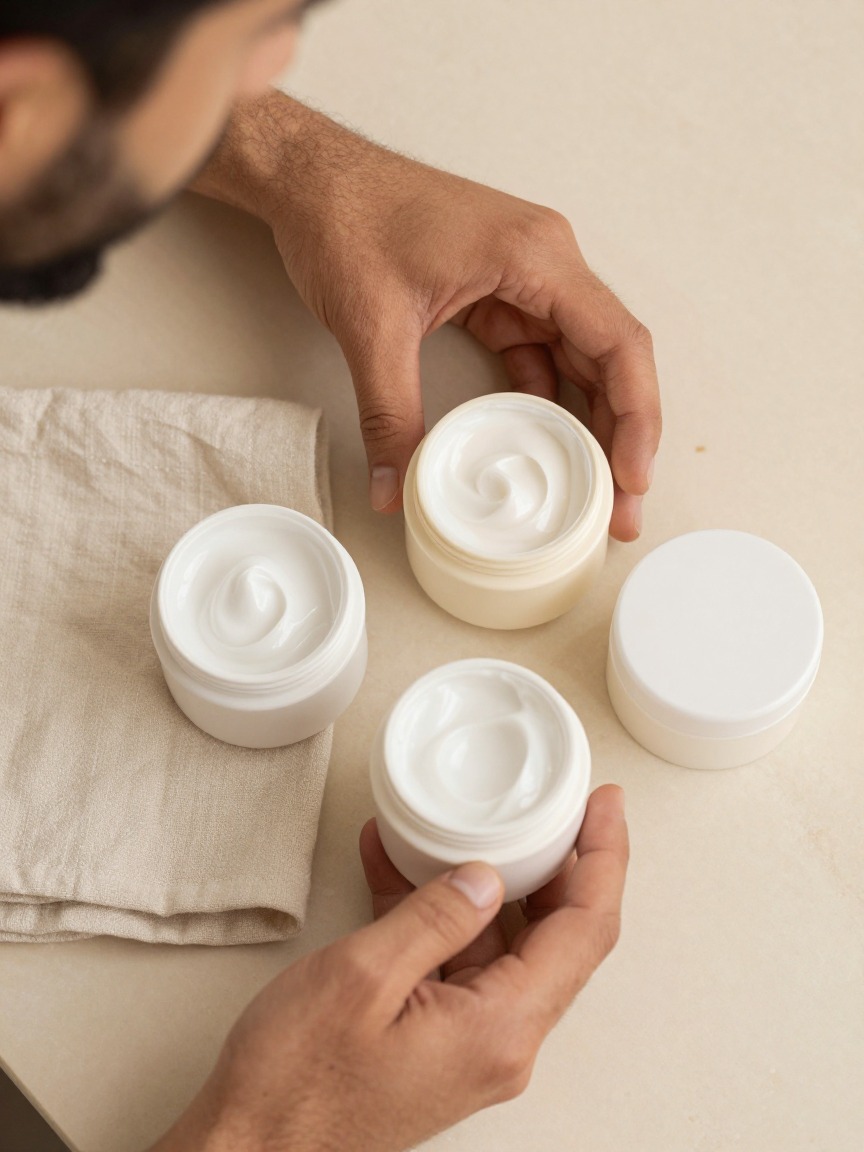
Packaging is a small buying decision that quietly matters. A pump or tube keeps a formula more stable and hygienic, worth favoring when a moisturizer contains antioxidants or other actives that degrade with air and light. A jar is fine for a simple ceramide or petrolatum-based cream and often gives you more product for the money — just use clean fingers. Match the size to how fast you'll get through it, too: an oily-skin gel you use twice daily empties far quicker than a rich night cream.
Reading past the front-of-jar claims
Anti-aging, brightening, and pore-refining on the front of a daily moisturizer are mostly marketing; the product's real job is comfort and barrier support. Turn it over and look for the words that actually predict fit — non-comedogenic, fragrance-free, and named ingredients like ceramides, glycerin, hyaluronic acid, or niacinamide fairly high in the list. A short, sensible list usually beats a long one padded with botanical extracts you're paying extra for.
Spend vs save on a daily moisturizer
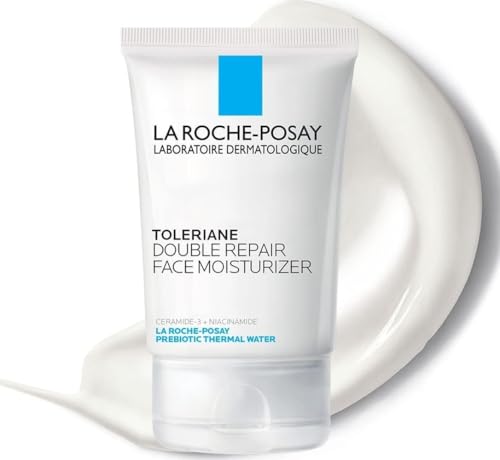
Daily moisturizer is the step where saving makes the most sense. Dermatologist-developed drugstore options like CeraVe or Cetaphil, a reactive-skin formula like La Roche-Posay's Toleriane, or a stripped-back budget pick like The Ordinary's cover the vast majority of needs at low cost. A light gel like Neutrogena's Hydro Boost handles oily or hot-climate skin cheaply. Pay up for something like Kiehl's Ultra Facial Cream only if you specifically want its richer feel or finish — not because a higher price implies better barrier support.