

How much SPF do you need each day
Dermatologists generally suggest a broad-spectrum SPF 30 or higher for daily use. That advice holds rain or shine, and indoors near bright windows too. So how much SPF do you need on most days? SPF 30 is the sensible floor for a face sunscreen. It is high enough to matter yet easy to find in comfortable formulas. Once you are at SPF 30 or above, how you apply it matters more than chasing an even bigger number printed on the label.
SPF 30 blocks the large majority of UVB rays. SPF 50 blocks only a little more than that. The gap between the two is small but genuinely real. Going higher mainly adds a safety margin for the fact that most people apply too little. Think of a higher number as insurance, not a shortcut. It does not let you skip reapplying or use a thin, stingy layer and still expect full protection through the day.
That under-application point matters more than the number itself. Few of us use enough sunscreen to reach the SPF printed on the bottle. Choosing a higher number gives you some room for that gap. It is one reason how much SPF you need often leans toward the higher end. Using a generous amount of SPF 30 can protect you as well as a skimpy layer of SPF 50. Coverage and consistency beat the number nearly every time.
Broad-spectrum SPF 30 for daily use
The word broad-spectrum matters as much as the number does. It means the sunscreen guards against both UVA and UVB rays. A broad-spectrum SPF is what protects against burning and the look of long-term skin aging. Always look for that label on the front of the bottle. Without it, a high number only tells part of the story. UVA rays pass through glass, so daily protection helps even on desk-bound indoor days.
For daily use, pick a formula you will actually reapply and enjoy. The EltaMD UV Clear Broad-Spectrum SPF 46 is a lightweight favorite for many skin types. The Supergoop! Unseen Sunscreen SPF 40 has a clear, primer-like finish under makeup. The Beauty of Joseon Relief Sun SPF 50+ feels light and hydrating on the skin. The best sunscreen is simply the one you are happy to wear every morning. Texture and finish decide whether you keep using it long term.
- Choose broad-spectrum SPF 30 or higher.
- Apply every morning for daily use.
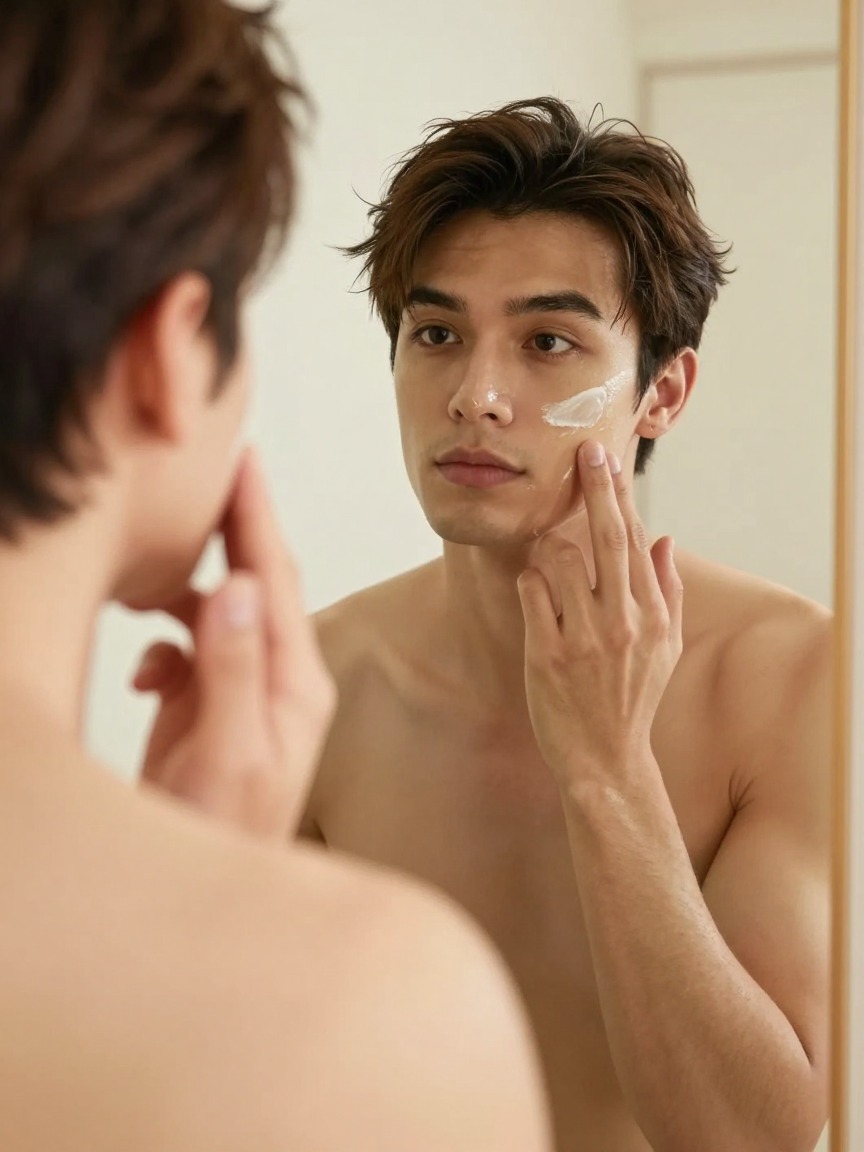
- Use about two finger-lengths for the face and neck.
- Reapply every couple of hours in strong sun.
- Pick a texture you enjoy so you keep using it.
Skin tone and preference can guide your final pick. The Black Girl Sunscreen SPF 30 is designed to avoid a white cast on deeper skin. The CeraVe Hydrating Mineral Sunscreen SPF 30 and the La Roche-Posay Anthelios Melt-in Milk SPF 60 are solid options too. Whatever you choose, a broad-spectrum SPF used every day beats a higher number used now and then. Consistent daily use is what really protects your skin over the years. Make it the last step of every morning routine. Sunscreen only works when you actually reach for it, so keep a bottle where you will see it. Set it by your toothbrush or your keys as a daily reminder. On long days outside, top it up rather than trusting the morning layer. A hat and shade help too, especially in the middle of the day. Protection is a habit built from small, steady choices.
Affiliate disclosure: We may earn a commission from qualifying purchases made through links on this page, at no extra cost to you. Some links on this page are affiliate links.
Recommended facial sunscreens
Editor-picked products from our guides.

UV Clear Broad-Spectrum SPF 46
EltaMD
Dermatologists reach for EltaMD more than almost any other sunscreen. It pairs broad-spectrum zinc oxide protection with niacinamide and hyaluronic acid. The oil-free base is genuinely weightless and layers well under makeup.
- Broad-spectrum SPF 46 with zinc oxide
- Oil-free, non-comedogenic formula favored for acne-prone skin
- Contains niacinamide and hyaluronic acid for added hydration
- Pricier per ounce than most drugstore sunscreens, and the pump makes it easy to under-apply if you're not deliberate about the amount.
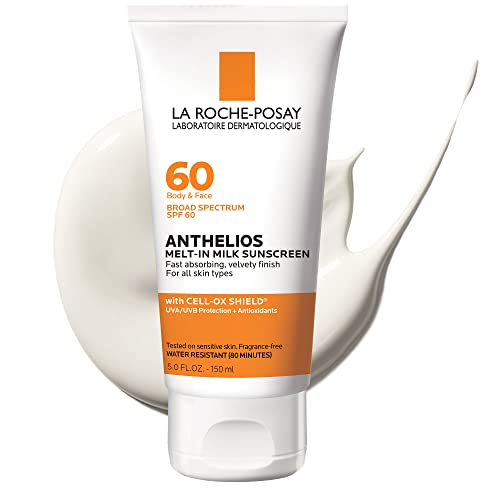
Anthelios Melt-in Milk Sunscreen SPF 60
La Roche-Posay
Anthelios Melt-in Milk pushes SPF to 60 while absorbing into a silky, non-greasy finish. It's the pick for beach days, hikes, or anyone who wants extra margin for error on reapplication.
- High SPF 60 broad-spectrum protection
- Water-resistant up to 80 minutes
- Melts in fast with a silky, non-greasy finish
- Relies on chemical filters (avobenzone, octocrylene), which some shoppers specifically want to avoid, and can feel slightly heavier on very oily skin.

Unseen Sunscreen SPF 40
Supergoop!
Supergoop built its reputation on this formula because it genuinely disappears — no white cast, no shine, no pilling. It works as a makeup primer as easily as a standalone sunscreen.
- Virtually invisible on all skin tones
- Doubles as a smoothing makeup primer
- Broad-spectrum SPF 40 in a featherlight, gel-oil texture
- The silicone-forward, mattifying texture can feel too dry or tacky for very dehydrated skin, and it's a premium price for the bottle size.