

Skip to content
Facial Sunscreens · Deep dive

Chemical vs Mineral Sunscreen

How each type works: mineral sunscreen vs. chemical sunscreen, zinc oxide & titanium dioxide

Mineral sunscreen — sometimes called physical sunscreen — relies on two active ingredients: zinc oxide and titanium dioxide. These are inert mineral compounds. They sit on the surface of skin and work primarily by reflecting and scattering UV radiation away from it, though modern formulations also involve some absorption at a molecular level. Because they don't need to be absorbed into skin to start working, they're effective the moment they're applied. Brands like CeraVe build entire lines around zinc oxide alone.

Chemical sunscreen uses organic, carbon-based compounds instead. These filters need about 15 to 20 minutes to bind to the skin's outer layer before they're fully effective. That's why chemical sunscreen is traditionally recommended ahead of sun exposure, not at the door.

UV filters explained: avobenzone, octinoxate & octocrylene

Common chemical UV filters include avobenzone, octinoxate, octisalate, and octocrylene. Each absorbs UV radiation and converts it into a small amount of heat, which is then released from the skin. Avobenzone is the most common UVA filter in US formulas. Octinoxate and octocrylene handle UVB protection and help stabilize the formula. Together, these UV filters are what let a sunscreen claim broad-spectrum coverage.

Texture, white cast & tinted sunscreen finishes

This is where most people actually make their decision. Mineral formulas have historically been thicker. They're more likely to leave a white cast, particularly on deeper skin tones, because zinc oxide and titanium dioxide particles scatter visible light as well as UV light. Chemical filters are typically lighter and blend in without a visible cast, which is part of why they dominate makeup-friendly, invisible-finish sunscreen formulas. Mineral sunscreen formulation has improved significantly, though. Tinted sunscreen with iron oxide, and finely milled particle sizes, have largely closed this gap — formulas from Supergoop! and Black Girl Sunscreen use this approach. It's still worth patch-testing before committing to a full bottle.

Broad-spectrum protection, sensitive skin & the patch test for rosacea

Mineral sunscreens are generally the better-tolerated, broad-spectrum option for rosacea, eczema, and reactive or post-procedure skin. There's no absorption step, so there's less chance of a stinging or burning reaction. Chemical filters are safe for the vast majority of users, but a small percentage of people do experience irritation or breakouts from specific chemical filters. If you have sensitive skin or a history of reactive skin, a patch test is worth doing before you commit to a new formula.

Oxybenzone, reef-safe sunscreen & coral reef safety

You may have seen headlines about chemical sunscreen filters being absorbed into the bloodstream. It's true that studies have found systemic absorption of some chemical filters, oxybenzone in particular, which prompted the FDA to request more safety data on several common filters. No research has established that this absorption is harmful. Dermatology organizations continue to recommend both mineral and chemical sunscreens as protective and appropriate for daily use — the known risks of unprotected UV exposure outweigh the unresolved questions about absorption. Two chemical filters, oxybenzone and octinoxate, have also been linked to coral reef damage. They're restricted in some destinations, including parts of Hawaii and Key West. If you're headed somewhere with a reef-safe sunscreen requirement, check the label for these two ingredients specifically. Mineral sunscreen using non-nano zinc oxide is the most widely accepted reef-conscious choice, though the science on finely milled particle formulas is still developing.

Mineral vs. chemical: iron oxide & which sunscreen to choose

Neither type is objectively better. Both, used correctly as broad-spectrum SPF 30 or higher, protect skin effectively. Mineral is the safer default for sensitive, reactive, or post-procedure skin, and for anyone who wants to avoid chemical filters on principle. Formulas with iron oxide add tint and help filter visible light, a bonus on top of UV protection. Chemical and hybrid formulas — like La Roche-Posay's — tend to win on wearability: lighter texture, no cast, easier layering under makeup. That matters, because the best sunscreen is the one you'll actually use every single day.
You may be interested in

Popular picks from related categories, chosen with the same rubric.

Editor's Pick #1
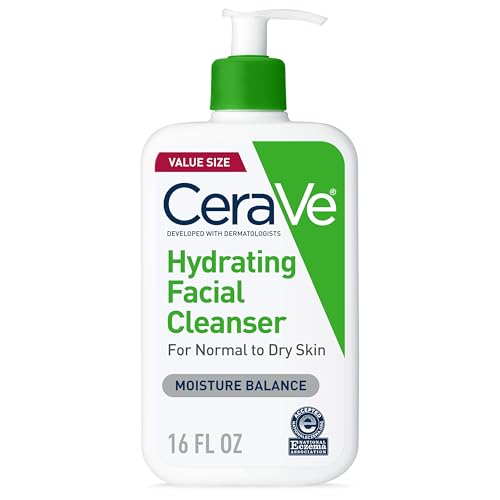
Hydrating Facial Cleanser
Dry-to-normal sensitive skin, especially anyone also using retinoids or other actives

Hydrating Facial Cleanser

CeraVe

It's formulated with three ceramides, hyaluronic acid, and a National Eczema Association seal. Dermatologists mention it most often for reactive skin. It's a genuinely non-foaming, low-irritation formula that doesn't strip the barrier.

Ceramide and hyaluronic acid formula supports the skin barrier while cleansing
Fragrance-free, non-foaming, and won't disrupt a compromised moisture barrier
Budget-friendly per ounce and widely available at drugstores
Doesn't fully dissolve heavy sunscreen or long-wear makeup on its own, so double-cleansing days may need a micellar water or oil-based first step
Best Value #2
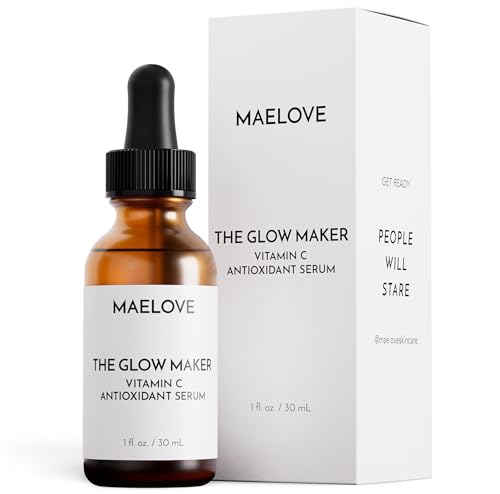
Glow Maker
Readers who want a well-formulated L-ascorbic acid serum without the prestige price tag

Glow Maker

Maelove

It leans on similar formulation logic to pricier serums: L-ascorbic acid plus vitamin E and ferulic acid. It costs a fraction of the price. That's why it's often called an affordable alternative to the prestige options.

Combines L-ascorbic acid with vitamin E and ferulic acid, echoing higher-end formulas
Opaque pump bottle helps limit light and air exposure
Noticeably cheaper per ounce than most L-ascorbic acid serums of similar formulation
The pump can dispense unevenly or feel like it needs priming, a minor but frequently mentioned annoyance
Editor's Pick #1
Moisturizing Cream
Normal to dry skin that wants a dermatologist-developed, fragrance-free daily moisturizer

CeraVe Moisturizing Cream

CeraVe

It pairs three essential ceramides with hyaluronic acid in a rich, fragrance-free base. Long-term users with dry, compromised skin consistently praise it. It's also inexpensive enough to use liberally.

Ceramide + hyaluronic acid formula supports the skin barrier
Fragrance-free and well-tolerated by sensitive skin
Large jar size makes it very cost-effective per ounce
The tub packaging means dipping fingers into the product, which isn't ideal for hygiene or portability
Editor's Pick #1
Super Volcanic Pore Clay Mask 2X
oily, pore-prone skin that wants a formula built specifically around pore congestion

Super Volcanic Pore Clay Mask 2X

innisfree

Two types of volcanic clay target sebum and blackheads. The texture isn't chalky or hard to remove like older clay formulas. It's also genuinely affordable for how often you'll reach for it.

Lightweight, non-cakey texture that spreads and rinses easily
Visibly reduces the look of congested pores after a single use
Priced low enough to use regularly without guilt
The mineral scent is noticeable and won't appeal to everyone
Editor's Pick #1
Skin Perfecting 2% BHA Liquid Exfoliant
Anyone dealing with clogged pores, blackheads, or rough, bumpy texture who wants an evidence-backed exfoliating toner

2% BHA Liquid Exfoliant

Paula's Choice

It's built around a well-studied 2% salicylic acid concentration at an effective pH. The base is fragrance-free and alcohol-free. That combination is why it's stayed a favorite among ingredient-focused shoppers for years, rather than fading as a trend.

2% salicylic acid at a pH that actually works
Fragrance-free and alcohol-free formula
Noticeably improves texture and blackheads with consistent use
The active concentration can cause redness or flaking in the first couple of weeks, so it's not the easiest starting point for very reactive or rosacea-prone skin
Editor's Pick #1
Contour Face
people who want the most clinically studied LED mask on the market and don't mind the price

Contour Face

Omnilux

Omnilux's LED technology is the same platform used in dermatology clinics. The Contour Face is its rigid, dermatologist-favorite home version, and it has more research behind it than most at-home competitors.

Extensive clinical research behind Omnilux's LED platform, more than most home devices
FDA-cleared for temporary reduction in the appearance of fine lines and wrinkles
Even, consistent light distance thanks to the rigid, hinged design
Rigid shell doesn't flex to different face shapes, there's no blue-light setting for acne, and it's one of the most expensive masks on the market

Affiliate disclosure: We may earn a commission from qualifying purchases made through links on this page, at no extra cost to you. Some links on this page are affiliate links.