Mineral vs. chemical sunscreen: zinc oxide, titanium dioxide & how each works
Mineral (physical) sunscreens use zinc oxide and/or titanium dioxide to sit on top of skin and reflect UV rays. They're gentler on reactive or rosacea-prone skin. They start working the moment you apply them. Some formulas leave a faint white or gray cast, especially on deeper skin tones. Chemical sunscreens use filters like avobenzone, octocrylene, or octisalate. These absorb UV radiation and convert it to heat. They typically blend in invisibly and layer well under makeup. A small percentage of people find them irritating. Hybrid formulas combine both filter types to balance protection, texture, and finish. Several of the picks above fall into this category.
Broad-spectrum protection: SPF 30 vs. SPF 50, UVA rays & UVB rays explained
The American Academy of Dermatology recommends broad-spectrum SPF 30 or higher for daily use. Broad-spectrum means the formula filters both UVA rays and UVB rays. UVA rays drive premature aging and pass through window glass. UVB rays cause sunburn. Going higher than SPF 30 buys a small amount of extra margin. SPF 50 filters roughly 98% of UVB rays versus SPF 30's 97%. That gap matters more if you're outdoors for hours, have a history of sun damage, or know you tend to under-apply.
Niacinamide, hyaluronic acid & finish: choosing for oily, acne-prone, or sensitive skin
The best sunscreen is the one you'll actually wear every day. That makes texture a real buying criterion, not an afterthought. Dry or mature skin generally does better with a cream or milk formula that adds hydration. Oily skin and acne-prone skin tend to prefer a gel, fluid, or matte finish that won't clog pores. Formulas with niacinamide and hyaluronic acid add calming, hydrating benefits without extra weight. Sensitive skin usually tolerates mineral, fragrance-free options best. If you wear makeup daily, look for a lightweight, fast-absorbing formula described as primer-like or invisible, so it doesn't pill underneath foundation.
Avoiding white cast on deeper skin tones with water-resistant, fragrance-free formulas
The white or gray cast some mineral sunscreens leave is a real concern for deeper skin tones, not a myth. It comes from how zinc oxide and titanium dioxide particles scatter light. Tinted and iron-oxide formulas have largely closed this gap. If you swim, sweat, or spend hours outdoors, choose a water-resistant formula and reapply after toweling off. Fragrance-free options are worth prioritizing if your skin reacts to added scent.
Non-comedogenic makeup primer picks — and common sunscreen mistakes to avoid
A non-comedogenic sunscreen won't clog pores, which matters most for acne-prone and oily skin. Many of today's best formulas also double as a makeup primer, smoothing skin before foundation. Even a great sunscreen fails if it's used the wrong way. These are the most common mistakes:
- Applying too little — most people use about half the amount needed for the labeled SPF to hold true.
- Skipping reapplication — SPF wears off through touching, sweating, and sun exposure, roughly every two hours outdoors.
- Relying on SPF in makeup or moisturizer alone — most people don't apply enough of these products to reach the labeled protection.
- Assuming indoor days don't need sunscreen — UVA rays pass through windows and contribute to visible aging over time.
Matching a Facial Sunscreen to Your Skin and Day
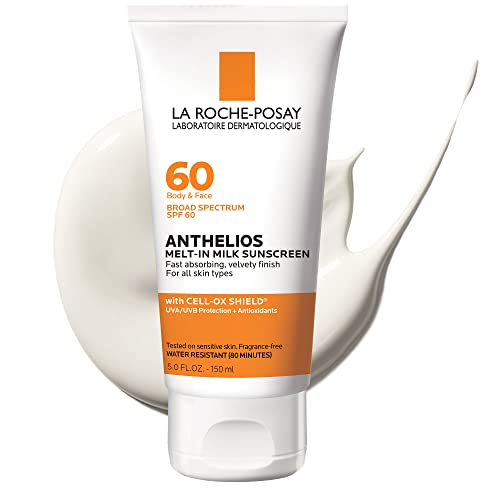
Buy for the face you have and the day you actually live. Acne-prone, sensitive, or recently treated skin is safest with a calm, dermatologist-trusted daily formula like the one from EltaMD, which many clinicians reach for first. If your days involve hours outside, swimming, or sweating, a water-resistant, higher-SPF option such as La Roche-Posay's melt-in milk earns its place over a lightweight everyday lotion. Makeup wearers should prioritize a weightless, primer-like formula, like the invisible option from a brand such as Supergoop, that won't pill under foundation. If cost is the deciding factor, a budget-friendly, no-white-cast pick from a brand like Beauty of Joseon covers everyday wear cheaply, while deeper skin tones tired of ashiness can look to a cast-free formula built with that in mind.
When to Spend Up and When a Drugstore Pick Wins
The best sunscreen is the one you will happily reapply, so texture and finish justify spending more than raw SPF numbers do. Pay up when a nicer feel is what gets you to actually wear it daily. Save when a simple, fragrance-free mineral formula from a brand like CeraVe already sits well on your skin, since a pleasant drugstore option you use every morning beats a luxury bottle you avoid. Match the format, cream for dry skin, fluid or gel for oily, to your skin type before you compare price tags.