
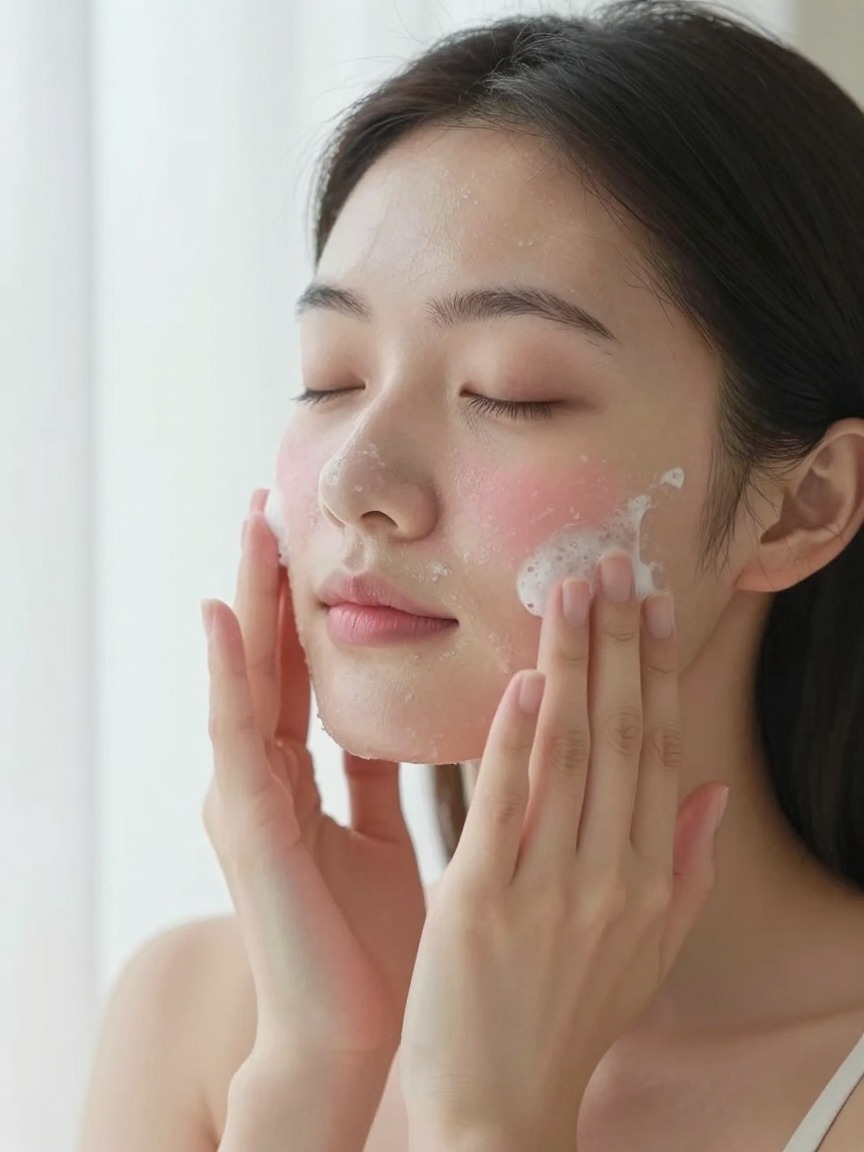
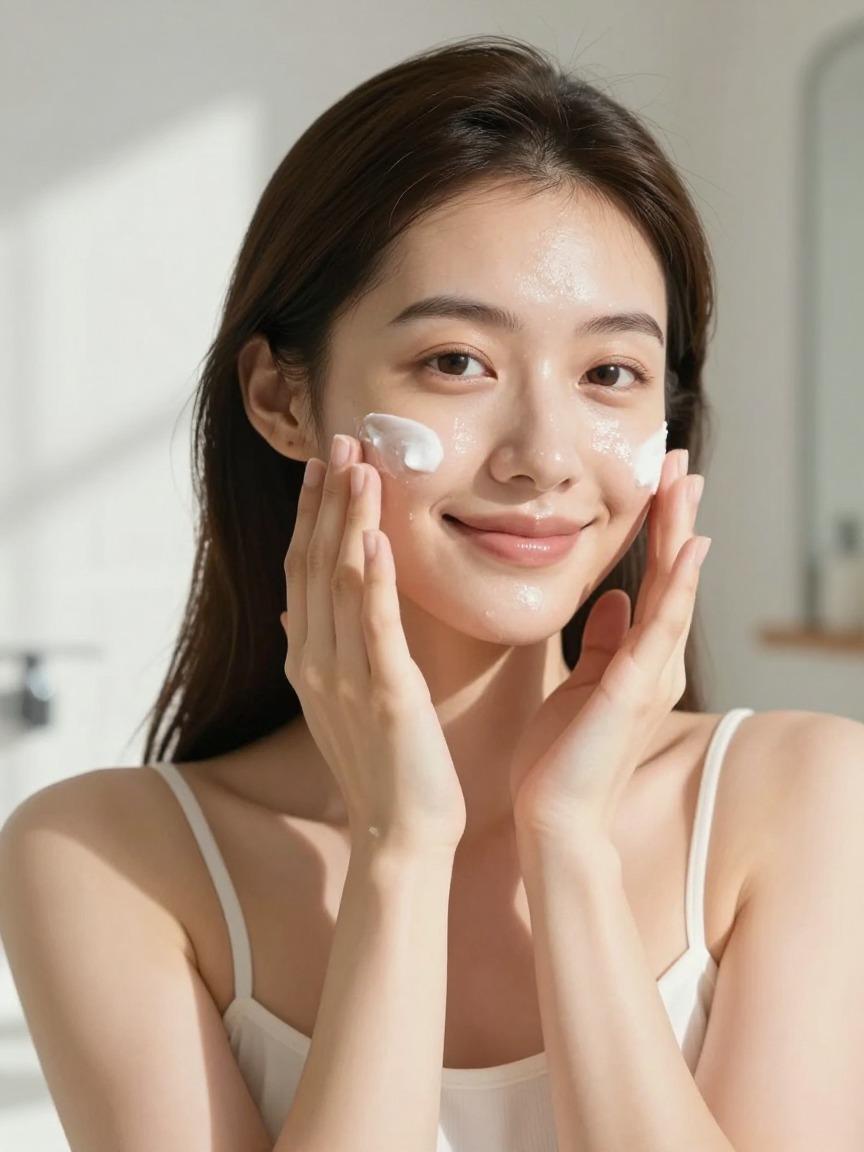
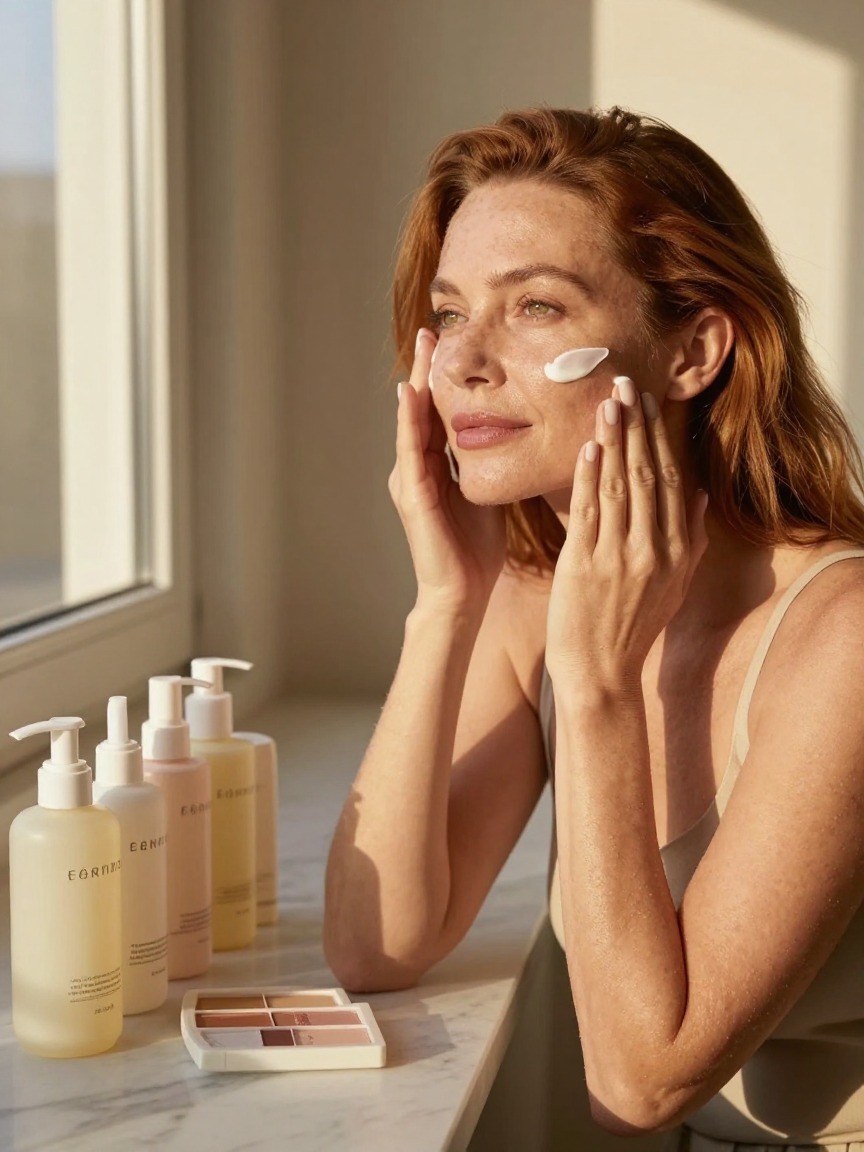

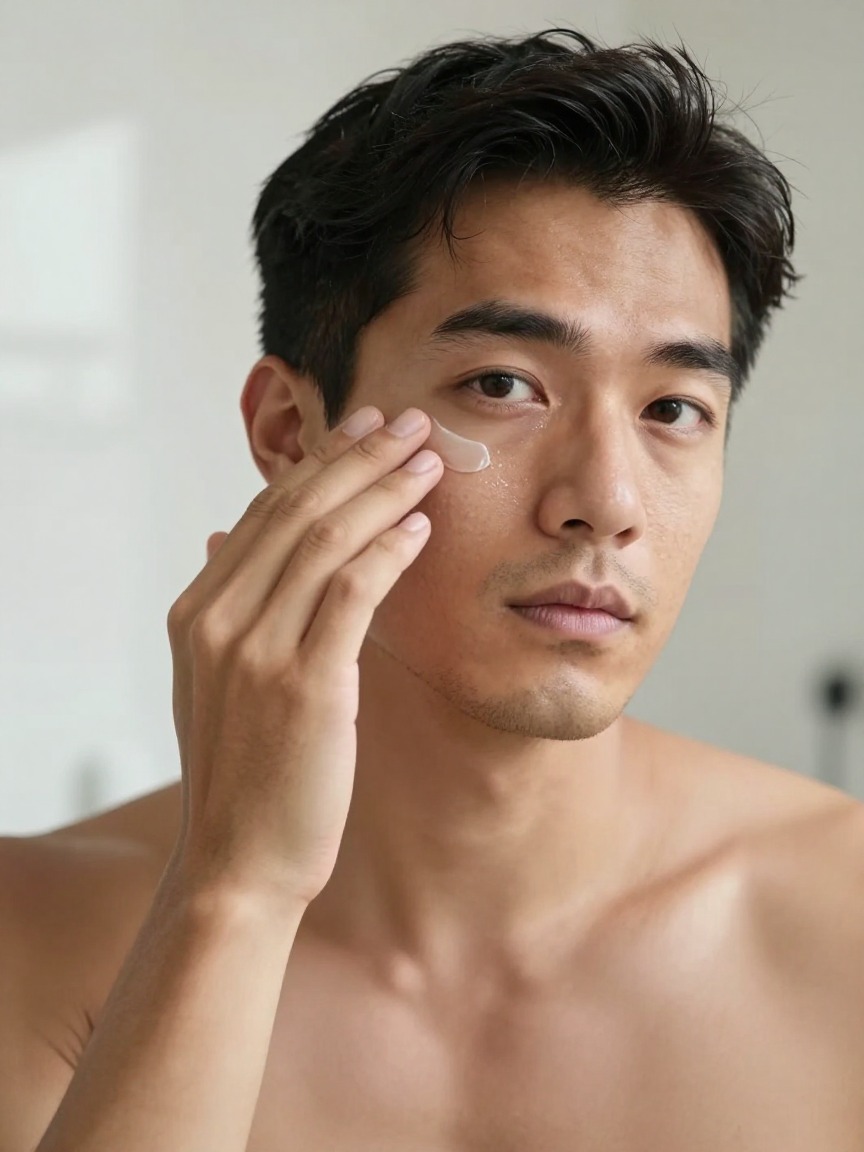


The measurement that matters: quarter-teaspoon & nickel-sized amounts
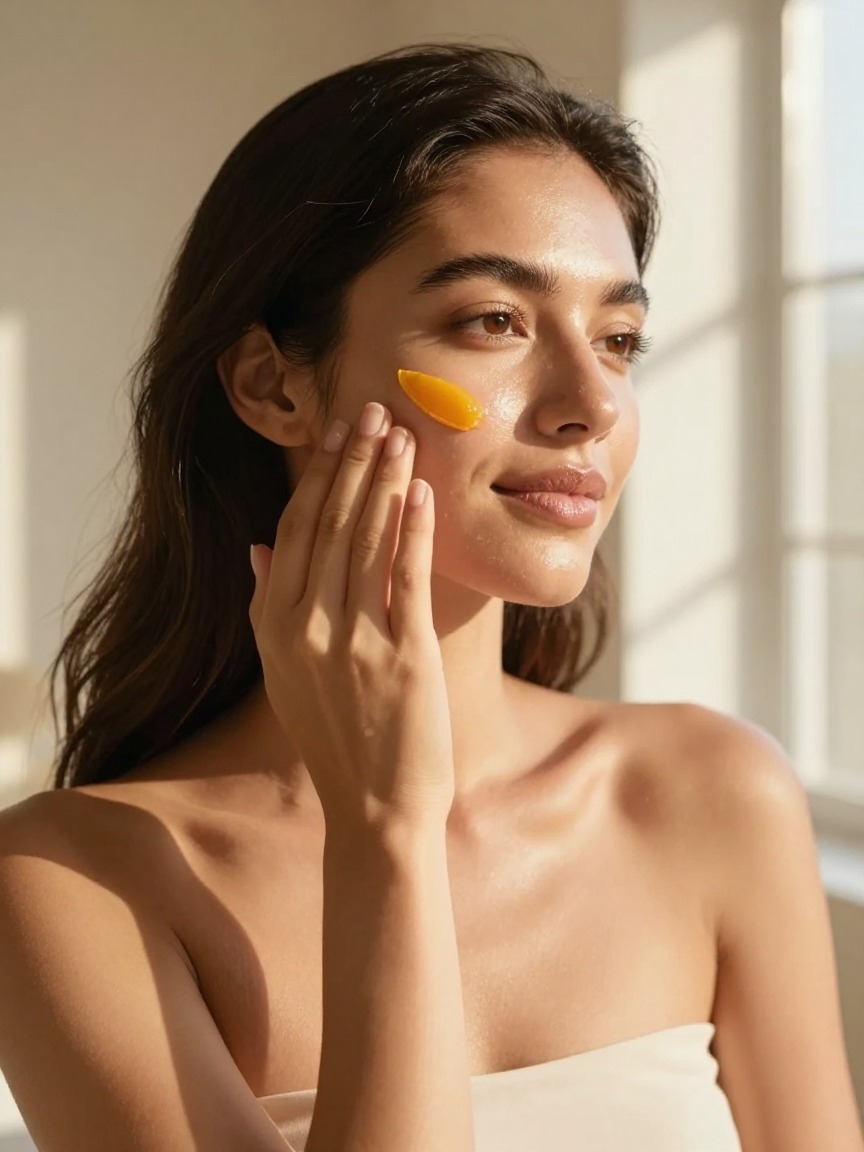
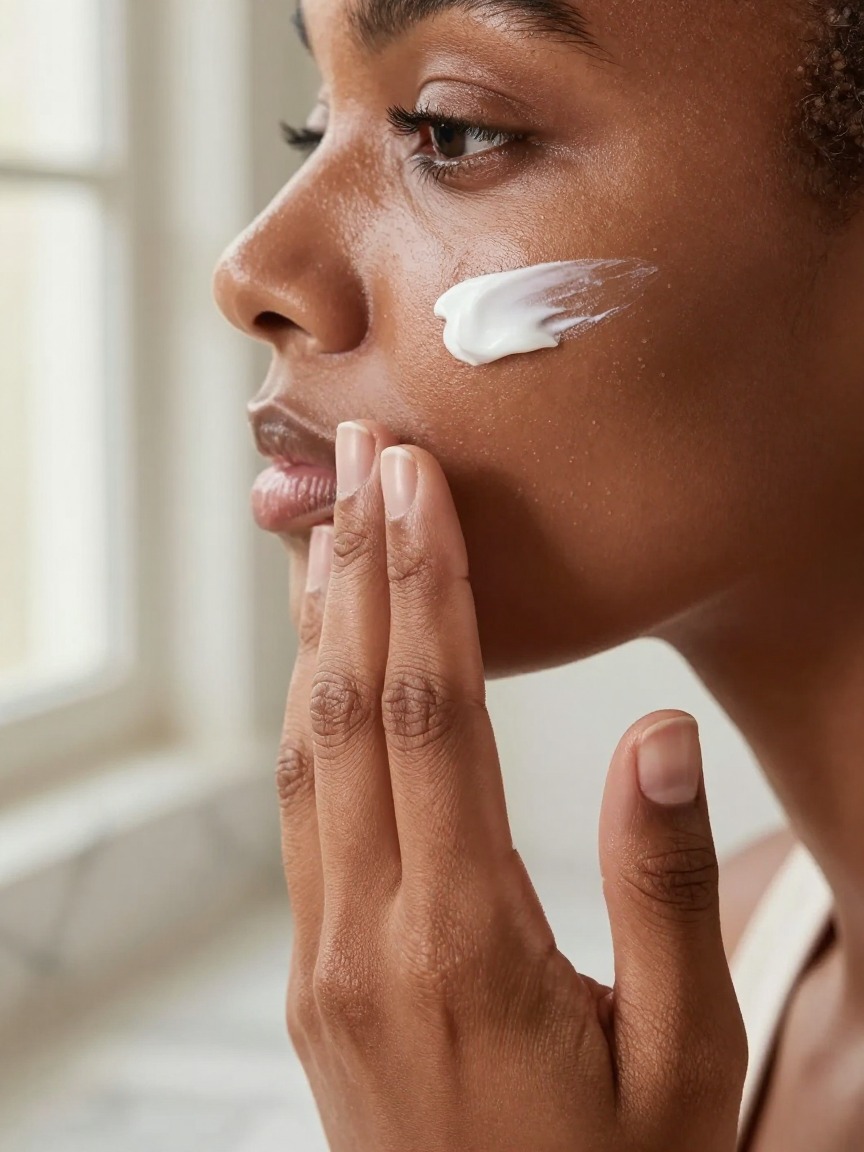
Dermatology research measures adequate sunscreen coverage at roughly 2 milligrams per square centimeter of skin. Translated into something you can picture, that works out to about a quarter-teaspoon — a dollop roughly the size of a nickel — for the face and neck alone. In studies where researchers weighed how much sunscreen participants actually applied, most people used somewhere between a quarter and a half of that amount.
Why under-application matters: SPF, sunscreen application & dermatologists' guidance
SPF numbers are tested in a lab at that full 2 mg/cm² coverage. Protection doesn't scale down proportionally when you apply less — it drops off sharply. Applying a thin layer of an SPF 50 sunscreen doesn't give you SPF 25. Independent testing has found the real-world protection from a thin, uneven sunscreen application can fall dramatically lower. Gaps in coverage let UV rays through unfiltered. This is the single biggest reason people who "wear sunscreen every day" still get sun damage. Dermatologists — including the ones behind formulas like EltaMD — agree: the amount, not the SPF number, is usually the problem.
A practical way to apply enough: five points, forehead, cheeks, hairline & neck
- Use a nickel-sized dollop (roughly a quarter-teaspoon) for the face and neck as your baseline, and don't be shy about a full pump or two from a pump bottle.
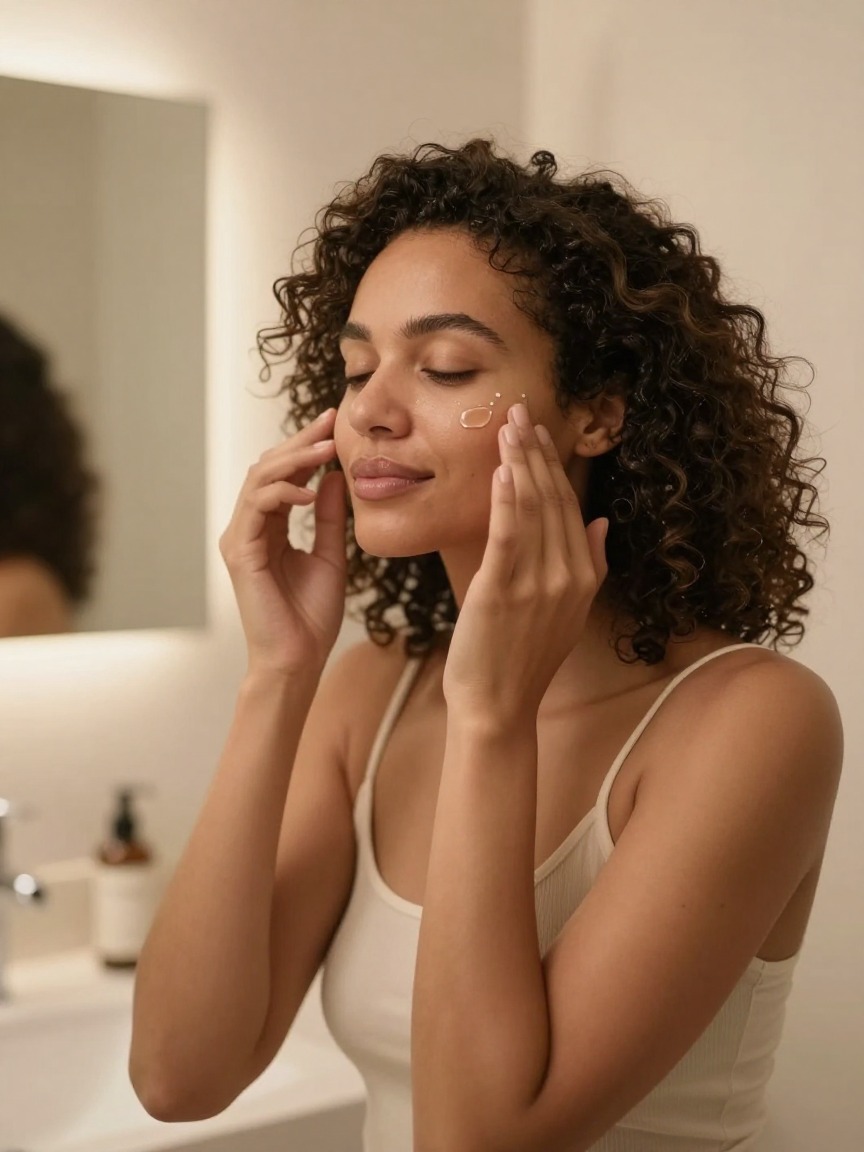
- Dot the product across five points — forehead, both cheeks, nose, and chin — before blending, similar to how you'd apply moisturizer. This helps ensure even coverage rather than concentrating product in one area.
- Don't forget the ears, hairline, and neck — these are some of the most commonly skipped spots and are just as exposed as the cheeks and forehead.
- If you're using a stick or powder sunscreen, go over each area multiple times (four or more passes) — these formats are easy to under-apply.
- Let it set for a minute or two before applying makeup on top to avoid pilling, especially with chemical formulas like La Roche-Posay's Anthelios.
Reapplying over makeup: sunscreen stick & setting spray options
Reapplying cream or lotion sunscreen over a full face of makeup is genuinely awkward. It's the top reason people skip reapplication altogether. A few realistic options: a sunscreen stick is formulated to go on top of makeup without disturbing it, though it generally needs more passes than a lotion to reach adequate coverage. A setting spray-format SPF, like Supergoop!'s, can also work as a midday top-up, misted from a few inches away and allowed to dry. If reapplication isn't realistic for your day, the better trade-off is often to avoid direct, prolonged sun exposure — shade, a hat, sunglasses — rather than skip sun protection altogether.
When you actually need to reapply: UV exposure, sweating & water-resistant ratings
For an average indoor day with a short commute, one thorough morning application is generally considered adequate, since total UV exposure is low. Reapplication becomes important when you're in direct sunlight for extended periods — outdoor work, the beach, hiking, gardening. Dermatologists commonly recommend reapplying every two hours in that situation. That includes right after swimming, heavy sweating, or towel-drying. That's true even with a water-resistant formula. Water resistance is tested and rated for a specific window — commonly 40 or 80 minutes — before it needs to be reapplied. A simple phone alarm or a travel-size bottle kept in a bag removes the guesswork. It helps on days when you know you'll be outside for a while, no matter whether you use a mineral formula like CeraVe or a chemical one.
The bottom line on reapplication
The SPF number on the bottle is only half the equation. How much you apply, and how often you top it up, determines whether you actually get that protection. When in doubt, apply more than feels natural. A slightly heavier layer is a minor inconvenience compared to the alternative. If a bottle you thought would last all summer is still nearly full in September, that's a warning sign. You've likely been applying too little each time — not gotten lucky with an efficient formula.