








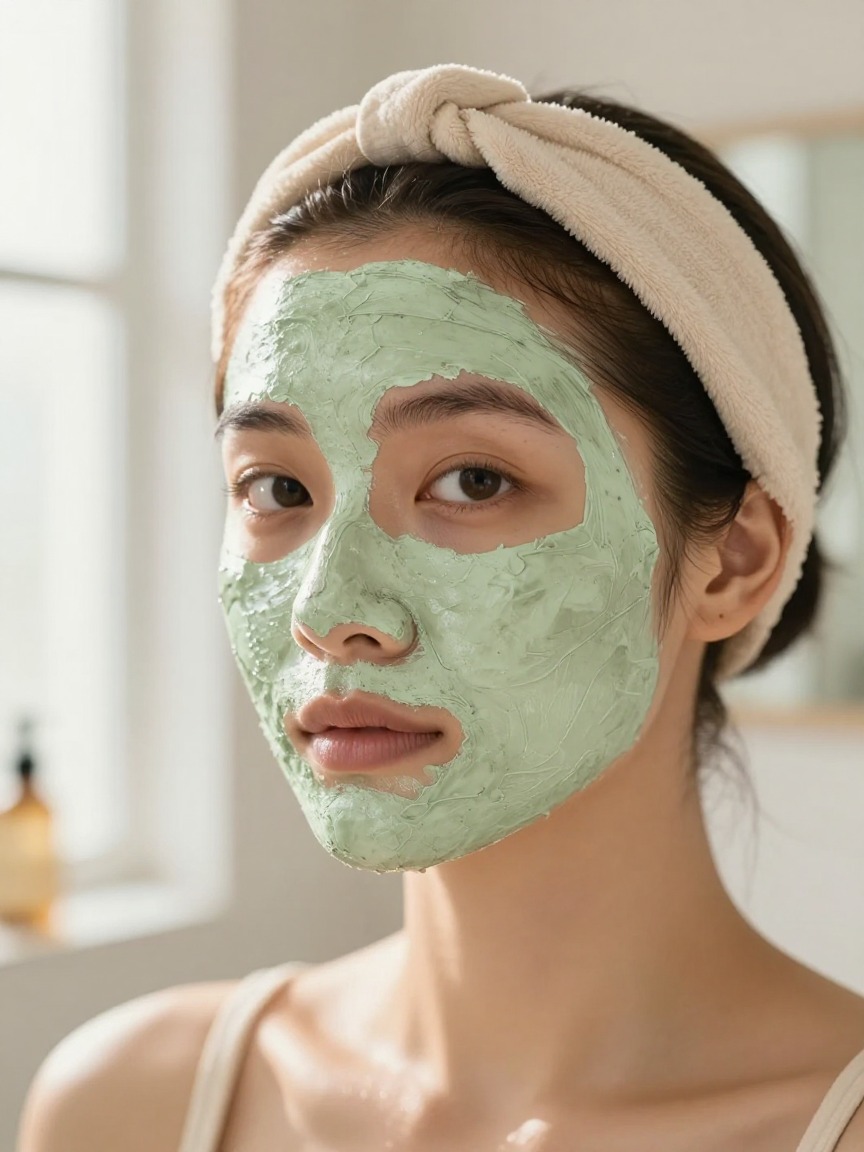


How often should dry skin exfoliate
Dry skin should exfoliate about one to two times a week, not daily. Over-exfoliating tends to make flakiness worse instead of better. It damages a barrier that is already fragile and thin. So how often should dry skin exfoliate? Less often than most other skin types do. The goal is to lift dull, flaky cells without stripping the skin underneath. A light hand and a slow schedule get you there safely, so there is no reason to rush.
The goal is smoother skin without a stripped, tight feeling. If skin looks red or feels tight after you exfoliate, that is a signal to cut back. Dry skin gives clear feedback when it is unhappy. Listen to it and adjust the frequency down. It is far better to exfoliate less and stay comfortable than to overdo it. You can always add a session later, once your skin proves it is handling the current pace well.
Season and climate change the answer too. Cold, dry winter air can mean once a week is plenty. Humid summer months might allow a little more. Let how your dry skin looks and feels set the pace, not a rigid rule on a calendar. Central heating and long hot showers also dry skin out over time. When those factors pile up, scale exfoliation back for a while until skin settles.
A gentle chemical exfoliant like lactic acid
A gentle chemical exfoliant is usually kinder to dry skin than a scrub. Lactic acid is a good starting choice for beginners. It exfoliates while drawing in a little water, which suits dry skin. It is milder than stronger acids like glycolic for most people. Start once a week and see how your skin responds afterward. Build up slowly only if skin stays calm and comfortable, never on a fixed schedule.
Physical scrubs are the riskier route here. They can create tiny tears in thin, dry skin. A chemical exfoliant works more evenly and with far less friction. That is why lactic acid and similar acids are often the better fit for dry skin. If you love the feel of a scrub, use a very gentle one rarely. For most dry skin, a mild acid is the safer everyday choice over grainy scrubs.
- Exfoliate one to two times a week at most.
- Favor a gentle chemical exfoliant over a scrub.
- Try lactic acid if you are new to acids.
- Follow with a rich moisturizer every time.
- Skip exfoliating if skin is cracked or raw.
Support the barrier around any exfoliating step. Cleanse gently with the CeraVe Hydrating Facial Cleanser. Replenish moisture with a serum like The Ordinary Hyaluronic Acid 2% + B5, then seal it with the CeraVe Moisturizing Cream. A hydrating essence such as the COSRX Advanced Snail 96 Mucin Power Essence can help too. In the morning, always finish with sunscreen like the EltaMD UV Daily Broad-Spectrum SPF 40. Exfoliated skin is more sensitive to sun, so that step really matters. Keep the rest of your routine soothing and simple around exfoliation. Skip strong actives on the same day you exfoliate dry skin. A gentle cleanser and a rich cream help skin bounce back. Pay attention to texture and comfort, not a set weekly quota. When skin feels calm and smooth, your current pace is working. When it feels tight, that is your cue to wait longer between sessions.
Affiliate disclosure: We may earn a commission from qualifying purchases made through links on this page, at no extra cost to you. Some links on this page are affiliate links.
Recommended skincare routine for dry skin
Editor-picked products from our guides.
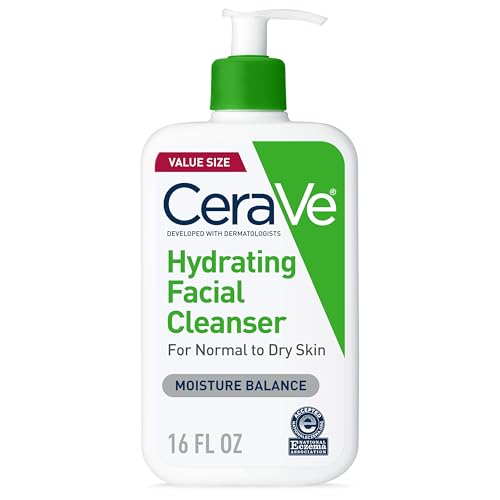
Cleanser — CeraVe Hydrating Facial Cleanser
CeraVe
A ceramide and hyaluronic acid cream formula that cleanses without foaming. It doesn't strip skin the way a foaming cleanser typically does.
- Ceramide and hyaluronic acid formula supports rather than strips the skin barrier
- Fragrance-free and non-comedogenic
- Cream texture rinses clean without leaving skin feeling tight afterward
- Doesn't fully break down heavy sunscreen or makeup on its own — dry skin wearing SPF daily may need a gentle oil-based first cleanse on those days

Toner/Essence — COSRX Advanced Snail 96 Mucin Power Essence
COSRX
Snail secretion filtrate is a well-tolerated hydrator. It leaves a light, slightly tacky film instead of evaporating quickly. That suits a multi-step hydration routine well.
- Lightweight essence layers easily under serum and moisturizer without pilling
- Hydration-forward formula suited to skin that's dry and dehydrated at once
- Long track record among dry and combination-dry skin types
- Slightly tacky, gel-like finish that some people find off-putting until it's layered with other products
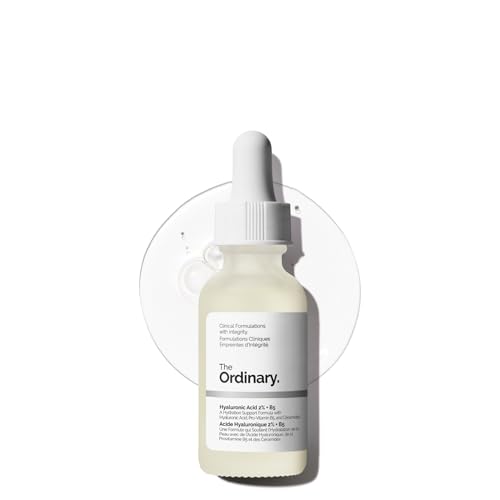
Hyaluronic Acid Serum — The Ordinary Hyaluronic Acid 2% + B5
The Ordinary
A straightforward, multi-molecular-weight hyaluronic acid serum at a low price point. It's formulated to draw water into skin's surface layers when applied to damp skin.
- Budget-friendly way to add a dedicated hydration step
- Fragrance-free and layers well under most moisturizers
- Multiple molecular weights of hyaluronic acid target different skin depths
- Needs to go on damp skin and be sealed with moisturizer promptly — used on bare dry skin in a low-humidity room, hyaluronic acid can pull moisture out of skin instead of into it