






Why Mornings Matter for Dry Skin
A morning routine for dry skin has a different job than an evening one. Instead of repairing overnight damage or running treatment actives, it's about setting skin up to hold moisture through a full day. That means standing up to air conditioning, wind, heating — whatever the weather is doing. Dry skin that looks fine at 8am and feels tight and flaky by 2pm usually isn't reacting to something new. It's running out of the hydration and sealant applied that morning. That's a sign the AM routine needs adjusting, not a sign something's wrong with the skin itself.
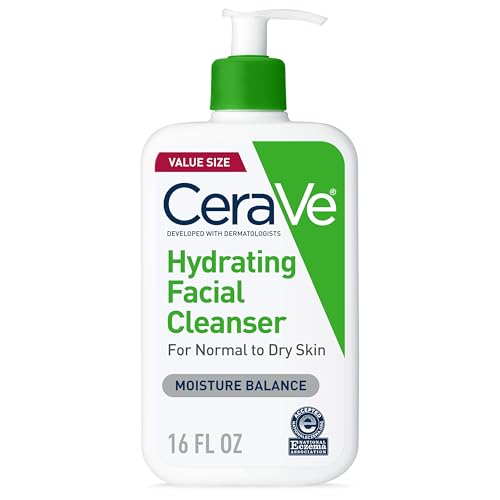
Step 1: A Gentle Cleanser, or a Foaming Cleanser to Skip
If skin didn't sweat overnight and isn't wearing leftover product from the night before, a lukewarm water rinse alone is often enough. Over-cleansing dry skin in the morning strips oil it needs for the rest of the day. When a cleanser is used, a cream or lotion formula that doesn't foam is the better choice. Foaming, sulfate-based cleansers tend to leave dry skin feeling tight immediately afterward — the opposite of what a morning routine should be doing.
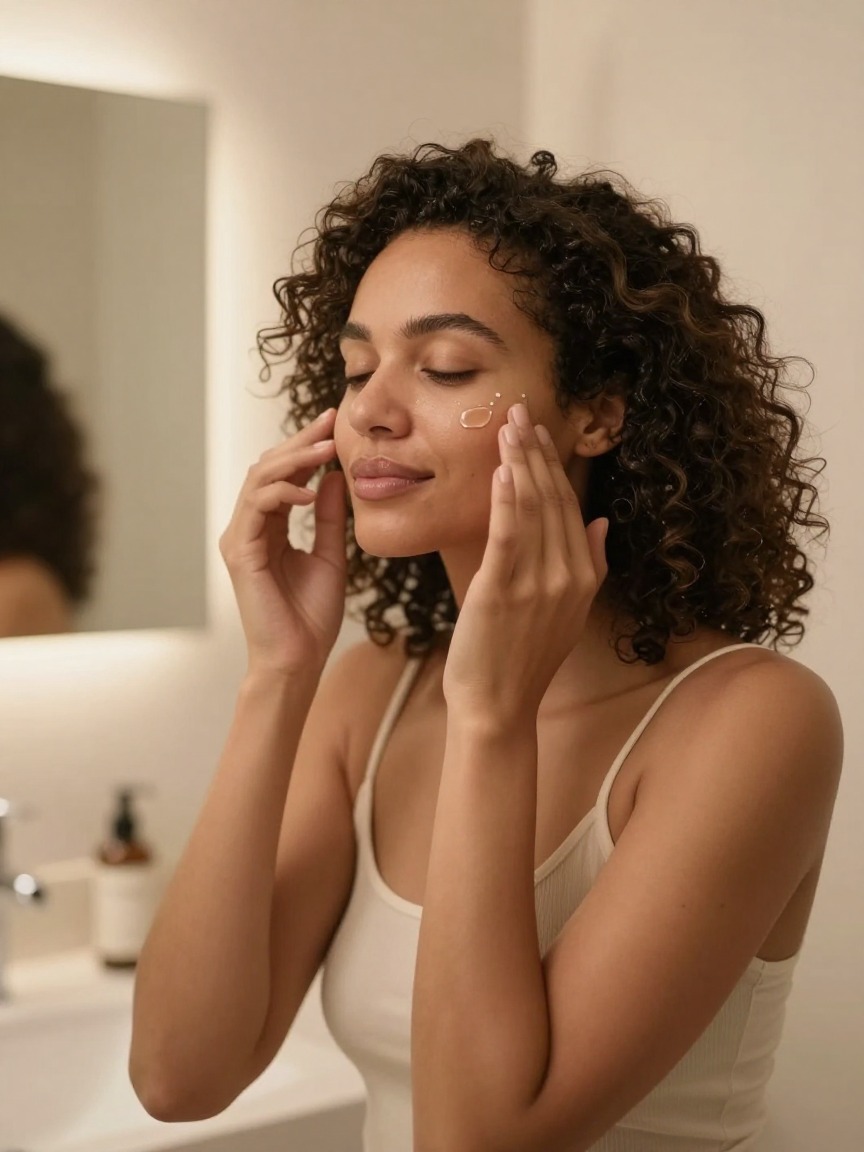
Step 2: Hyaluronic Acid & Hydrating Essence on Damp Skin
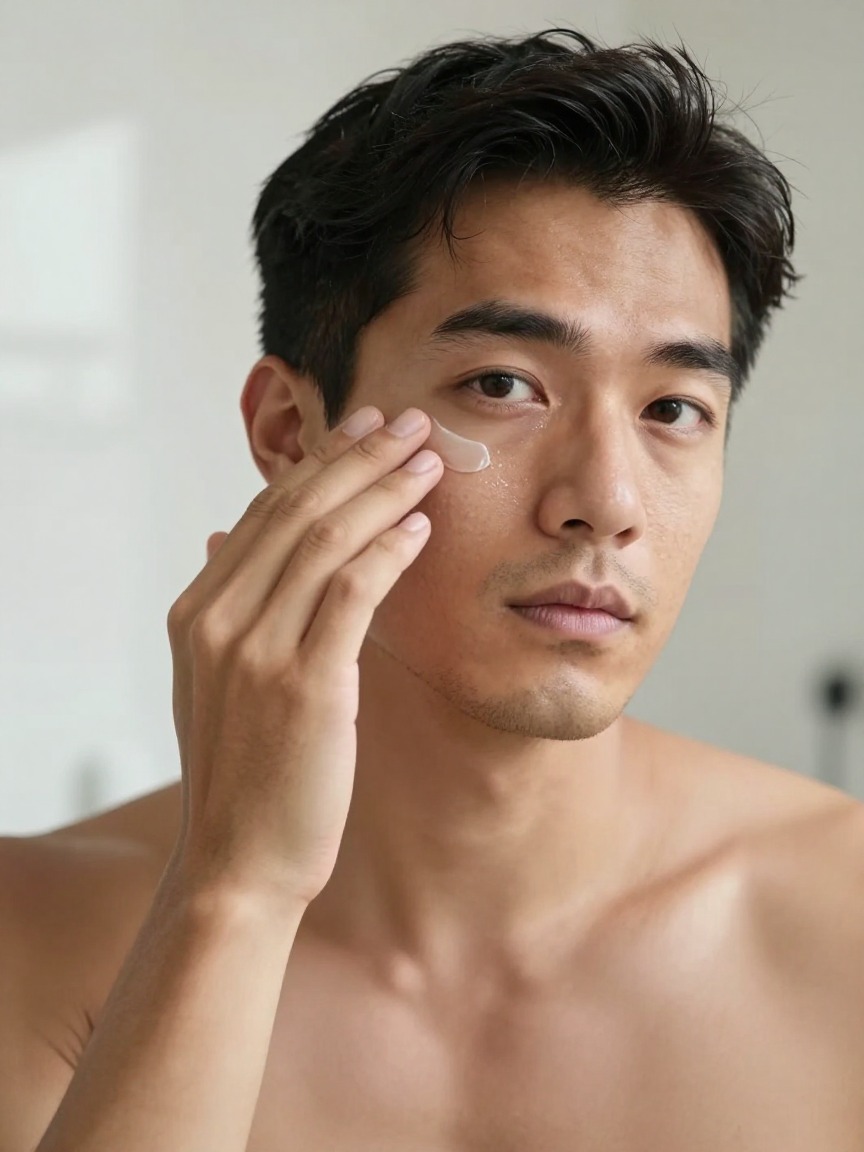
This is the step most morning routines for dry skin skip or rush, and it's the one that matters most. A hyaluronic acid serum or a hydrating essence — something like COSRX Advanced Snail 96 Mucin Power Essence — works best on damp skin, still a little wet from cleansing or a facial mist. Applied that way, it pulls water into the skin's outer layers far more effectively than on fully dry skin. Skipping this step and going straight to moisturizer isn't wrong. But it means relying on the moisturizer alone to do a job that's easier when a dedicated hydrating step does it first.
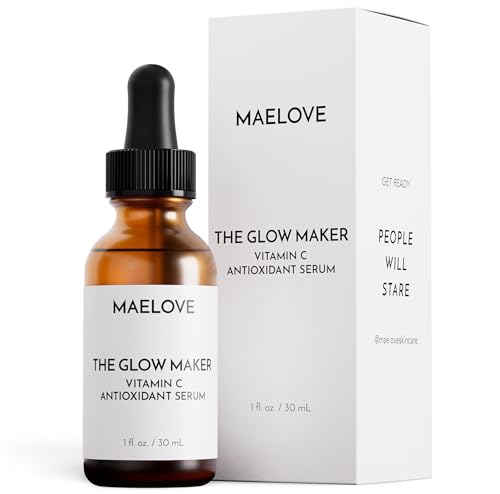
Step 3: Vitamin C or Another Antioxidant Serum
Vitamin C or another antioxidant serum isn't essential for dry skin specifically. But it's a reasonable morning addition for anyone also dealing with dullness or uneven tone alongside dryness. Morning is when antioxidant protection against daytime UV and pollution exposure does the most good. It's optional in a way the hydrating step and SPF aren't. A dry-skin routine works fine without it, and it's fine to add later once the core steps are in place.
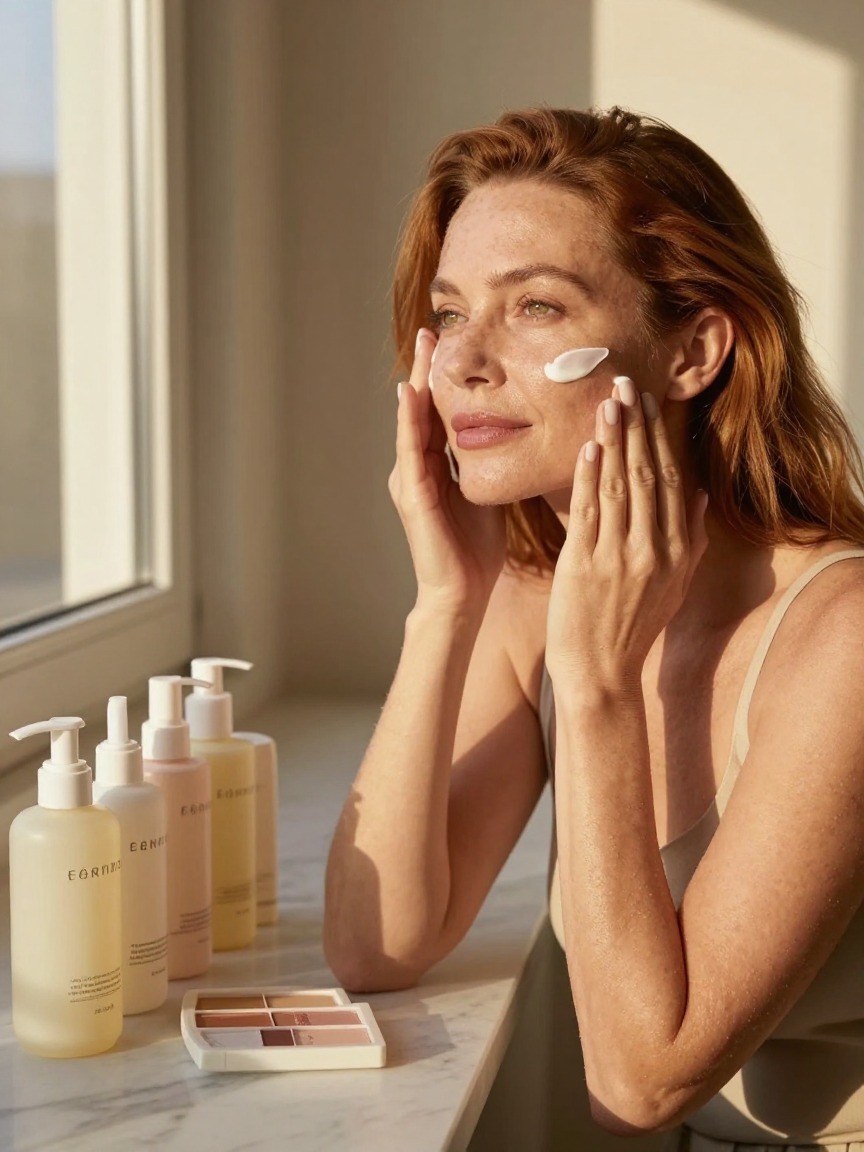
Step 4: A Ceramide Moisturizer Rich Enough to Seal
Moisturizer's job here is to lock in whatever hydration the previous step just added. For dry skin, that generally means reaching past very lightweight, gel-based moisturizers, which suit oily skin better. A cream formula built around ceramides, fatty acids, or shea butter — CeraVe Moisturizing Cream is one example — does more of the sealing work. It's fine for a morning moisturizer to be slightly lighter than the one used at night. It also has to sit comfortably under SPF and, for many people, makeup. But "lighter" shouldn't mean thin enough to skip the sealing job entirely.
Step 5: Broad-Spectrum SPF and Sunscreen, No Exceptions
Broad-spectrum SPF 30 or higher is the final and most important step in any morning routine, dry skin included. It's arguably more important for dry or compromised skin, which tends to be more reactive to UV-related irritation, not less. Dry skin does best with a moisturizing sunscreen formula — EltaMD UV Daily is one well-tolerated example — rather than a mattifying or oil-control one. The oil-control category solves a problem dry skin doesn't have, and can leave it feeling tighter through the day.
A Sample Morning Routine: Layering, Start to Finish
Rinse with lukewarm water, or a gentle cream cleanser if needed. Pat skin so it's damp rather than dry. Apply a hyaluronic acid serum or hydrating essence, then a ceramide-based moisturizer. Finish with broad-spectrum SPF as the last layer before makeup or heading out. That's the full sequence most dry skin needs on an ordinary day. Antioxidant serums and other extras can slot in after the hydrating step without disrupting the core layering order.
Morning Mistakes That Undo a Dry-Skin Routine
The most common one is applying moisturizer or SPF to skin that's already fully dry from cleansing. That reduces how much of the hydrating ingredients underneath actually get absorbed. The second is using a single "moisturizer with SPF" product as a shortcut for both steps. Most people don't apply nearly enough of a combined product to hit either the moisturizing or the sun-protection benefit fully. Layering a proper moisturizer under a dedicated sunscreen generally works better for skin that's already struggling to hold onto hydration.