Skip to content
Routines & Skin Concerns · Ranked roundup

Best Skincare Routine for Dry Skin of 2026

Dry skin needs a routine built around one job: hydrate, then seal that hydration in before it evaporates. Below is one solid pick for each of the core roles a dry-skin routine actually needs. It runs from a cream cleanser that won't strip what little oil your skin makes, through to an SPF that won't leave it tight and flaky by noon. Start with the cleanser, moisturizer, and SPF first. Then layer in the hydrating extras — toner/essence, serum, face oil — as your skin tolerates them.

Affiliate disclosure: We may earn a commission from qualifying purchases made through links on this page, at no extra cost to you. Some links on this page are affiliate links.

The full lineup

One strong pick for every step

Cleanser #1
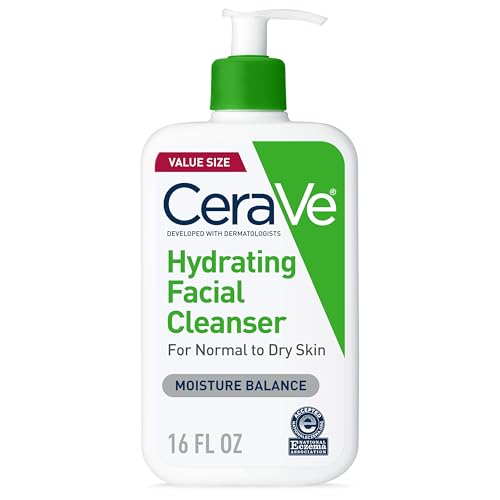
Hydrating Facial Cleanser
Dry, flaky, or barrier-compromised skin that needs cleansing without stripping what little oil it produces

Cleanser — CeraVe Hydrating Facial Cleanser

CeraVe

A ceramide and hyaluronic acid cream formula that cleanses without foaming. It doesn't strip skin the way a foaming cleanser typically does.

Ceramide and hyaluronic acid formula supports rather than strips the skin barrier
Fragrance-free and non-comedogenic
Cream texture rinses clean without leaving skin feeling tight afterward
Doesn't fully break down heavy sunscreen or makeup on its own — dry skin wearing SPF daily may need a gentle oil-based first cleanse on those days
Toner/Essence #2
Toner/Essence — COSRX Advanced Snail 96 Mucin Power Essence
Dry, dehydrated skin that wants an extra hydration layer before serum and moisturizer

Toner/Essence — COSRX Advanced Snail 96 Mucin Power Essence

COSRX

Snail secretion filtrate is a well-tolerated hydrator. It leaves a light, slightly tacky film instead of evaporating quickly. That suits a multi-step hydration routine well.

Lightweight essence layers easily under serum and moisturizer without pilling
Hydration-forward formula suited to skin that's dry and dehydrated at once
Long track record among dry and combination-dry skin types
Slightly tacky, gel-like finish that some people find off-putting until it's layered with other products
Hyaluronic Acid Serum #3
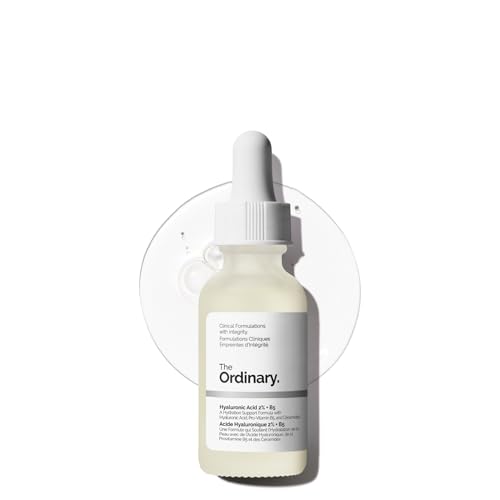
Hyaluronic Acid Serum — The Ordinary Hyaluronic Acid 2% + B5
Anyone wanting an affordable, no-frills humectant layer under moisturizer

Hyaluronic Acid Serum — The Ordinary Hyaluronic Acid 2% + B5

The Ordinary

A straightforward, multi-molecular-weight hyaluronic acid serum at a low price point. It's formulated to draw water into skin's surface layers when applied to damp skin.

Budget-friendly way to add a dedicated hydration step
Fragrance-free and layers well under most moisturizers
Multiple molecular weights of hyaluronic acid target different skin depths
Needs to go on damp skin and be sealed with moisturizer promptly — used on bare dry skin in a low-humidity room, hyaluronic acid can pull moisture out of skin instead of into it
Moisturizer #4
Moisturizing Cream
Very dry, tight, or flaky skin that needs a genuinely rich, barrier-repairing cream

Moisturizer — CeraVe Moisturizing Cream

CeraVe

A ceramide-and-hyaluronic-acid-based cream, rich enough for dry skin, while staying fragrance-free and non-comedogenic.

Three essential ceramides plus hyaluronic acid support barrier repair
Rich enough for very dry skin without a heavy fragrance load
Large jar size makes it practical for all-over daily use
Thick texture takes a minute to fully absorb and can feel heavy on any oilier zones like the T-zone
Face Oil #5
Face Oil — The Ordinary 100% Organic Cold-Pressed Rose Hip Seed Oil
Sealing in moisturizer as a final step, especially at night or in cold, low-humidity weather

Face Oil — The Ordinary 100% Organic Cold-Pressed Rose Hip Seed Oil

The Ordinary

A single-ingredient, cold-pressed oil used as the last layer of a routine, to slow water loss overnight. No added fragrance or filler oils.

Single-ingredient formula with no added fragrance
Cold-pressed and unrefined, retaining more of the oil's natural fatty acids
Inexpensive way to add an occlusive final step
Has a distinct earthy, slightly grassy scent that fades but doesn't fully disappear, and it's not ideal for skin already prone to congestion in the T-zone
SPF #6
SPF — EltaMD UV Daily Broad-Spectrum SPF 40
Dry skin that needs daily SPF without added tightness or a chalky finish

SPF — EltaMD UV Daily Broad-Spectrum SPF 40

EltaMD

A moisturizing, hyaluronic-acid-containing sunscreen, formulated to sit comfortably on drier skin types. It won't add to a stripped, tight feeling.

Hyaluronic acid in the formula adds hydration rather than just protection
Broad-spectrum coverage suitable for daily wear under makeup
Lightweight enough to layer over a rich moisturizer without pilling
Priced higher per ounce than most drugstore sunscreen options

Product prices and availability are accurate as of the date/time indicated and are subject to change. Any price and availability information displayed at the time of purchase will apply to the purchase of this product.

How we chose the best skincare routine for dry skin

Every product here is judged on our five-part rubric — formulation quality, the strength of the evidence behind its key actives, texture and daily wearability, value, and the pattern of real long-term user experience. We don’t publish fabricated star ratings, and we flag at least one honest downside on every pick. Anything genuinely medical is referred to a dermatologist.

Full methodology

What to look for in skincare routine for dry skin

Hydrating vs. Sealing: The Two-Part Job of a Dry-Skin Routine

Dry skin isn't just "skin that needs oil." It's skin whose barrier lets water escape too fast. Dermatologists call that transepidermal water loss. A good routine handles it in two steps. First, pull hydration into the skin's surface layers. Then seal that hydration in before it evaporates. Piling on a rich cream without hydrating first rarely fixes it. That's the most common reason a "moisturizing" routine still leaves skin tight by afternoon.

Humectants, Emollients & Occlusives: What Actually Works

Three ingredient categories carry most of the weight. Humectants — hyaluronic acid, glycerin, panthenol — draw water into skin's outer layers. They work best on slightly damp skin. Emollients — squalane, plant oils, fatty acids — smooth rough patches and soften texture. Occlusives — ceramides, shea butter, petrolatum balms — sit on top and slow water loss overnight. A well-built routine layers all three, roughly in order. Humectant serum first, then an emollient-rich moisturizer, then an occlusive on top if skin is especially parched.

Ceramides, Barrier Repair & Transepidermal Water Loss

Ceramides deserve special attention here. They're a core part of the "mortar" that holds skin cells together in the outer barrier. When that mortar is thin or damaged, transepidermal water loss climbs and skin feels tight, dull, or flaky. A ceramide-rich moisturizer directly replaces what a compromised barrier is short on. That's why barrier repair usually starts with ceramides, not a heavier fragrance or a fancier active.

Cream Cleansers for Dehydrated, Flaky Skin

Not every step below is non-negotiable, but a cream cleanser and a rich moisturizer come close. A hydrating toner or a hyaluronic acid serum matters more for skin that's both dry and dehydrated. That combination tends to look tight, dull, and sometimes flaky despite regular moisturizer use. Skip a foaming or sulfate-heavy cleanser here — it strips the little natural oil dehydrated, flaky skin already struggles to hold onto.

Squalane & Niacinamide: Extra Support for a Stressed Barrier

Face oil is best kept as a final sealing step, particularly at night or in cold, low-humidity weather. Squalane is a lighter emollient alternative for anyone who finds traditional oils too heavy. Niacinamide is worth adding too. It supports the barrier and calms the redness that often shows up alongside dryness. SPF isn't optional in any of this — dry, compromised skin tends to be more reactive to UV damage, not less.

Fragrance-Free, Non-Comedogenic Picks for Sensitive Dry Skin

Fragrance, synthetic or "natural," is one of the most common irritants in dry-skin products. Fragrance-free formulas are the safer default for a compromised barrier. Non-comedogenic labeling matters too. It's worth checking for anyone whose dry skin still runs a little acne-prone around the T-zone.

Common Mistakes That Make Dry Skin Worse

  • Cleansing with hot water or a foaming, sulfate-heavy cleanser — both strip the little natural oil dry skin already struggles to hold onto
  • Applying moisturizer to fully dry skin instead of slightly damp skin, which cuts how much of the hydrating ingredients get absorbed
  • Over-exfoliating to fix flakiness that's really barrier damage, not dead-skin buildup — more scrubbing just makes it worse
  • Skipping face oil or a heavier night cream because skin "isn't that dry" by day — dryness is often worse overnight

Matching a Dry-Skin Pick to Your Budget and Barrier

Put your budget where it earns the most: the moisturizer, and a hydrating serum if skin is also dehydrated. A rich ceramide cream like the CeraVe option shows how little genuine barrier repair costs — this is a category where drugstore formulas compete directly with luxury ones. A no-frills hyaluronic serum such as The Ordinary's covers the humectant layer cheaply, so save the extra spend for a sunscreen that feels good enough to wear daily, like the EltaMD-style SPF, since the one you'll actually keep using is the one worth paying for.

Read the first few ingredients rather than the front of the box. "Hydrating" and "nourishing" aren't regulated claims. Look for glycerin, ceramides, or hyaluronic acid listed early, and treat a long fragrance or essential-oil list as a reason to hesitate on already-dry, reactive skin. A COSRX-style essence is an optional extra hydration layer, not a step every dry-skin routine needs.

When to See a Dermatologist Instead of Changing Products

Persistent dryness that doesn't respond to a consistent routine over several weeks is worth a second look. So is cracking, bleeding, or a diagnosed condition like eczema. That's a reason to see a dermatologist, not a reason to keep adding more products.


Skincare Routine for Dry Skin: your questions, answered

What is the best routine for dry skin?
How do you layer products for dry skin?
How often should dry skin exfoliate?

Related products & guides

Routines & Skin ConcernsBest Skincare Routine Order & Steps

See our ranked picks and buying guide.

Routines & Skin ConcernsBest Skincare Routine for Oily Skin

See our ranked picks and buying guide.

Routines & Skin ConcernsBest Skincare Routine for Combination Skin

See our ranked picks and buying guide.

Routines & Skin ConcernsBest Skincare Routine for Sensitive Skin

See our ranked picks and buying guide.

Routines & Skin ConcernsBest Skincare Routine for Acne-Prone Skin

See our ranked picks and buying guide.

Routines & Skin ConcernsBest Anti-Aging Skincare Routine

See our ranked picks and buying guide.