









Why Nighttime Is When Dry Skin Needs the Most Support
Skin loses more water overnight than during the day. Applied products aren't topped up, and skin's own repair processes are more active while sleeping. That combination makes night the right window for anything richer or more targeted than what a morning routine can comfortably carry under makeup and SPF. Many people who describe their skin as "fine during the day, awful by morning" are running an evening routine that isn't sealing in enough moisture before bed. It isn't a mysterious overnight skin change.
Step 1: A Double Cleanse, or a Real Cleanse This Time
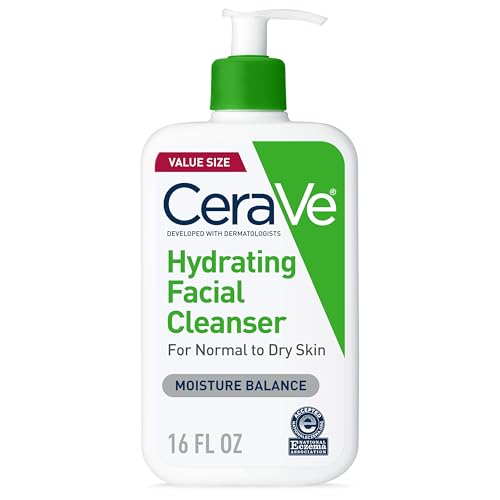
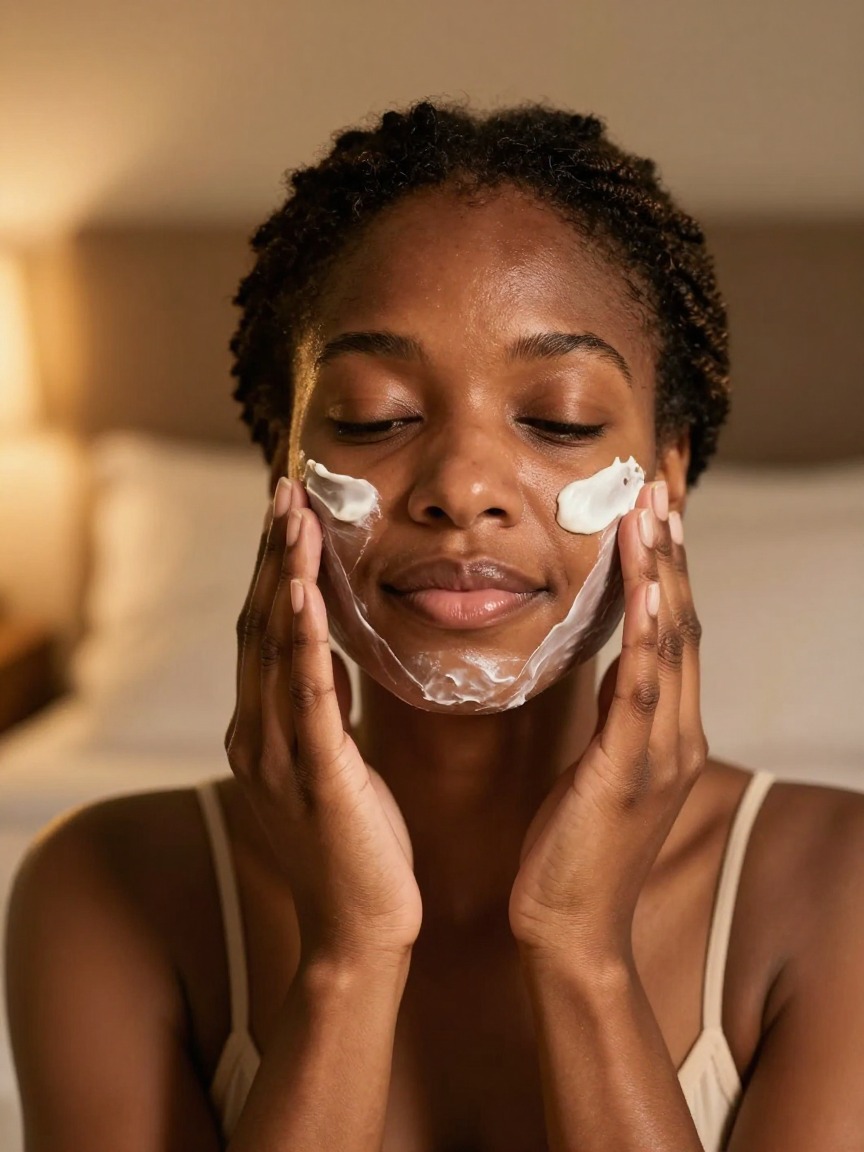
Unlike mornings, evenings call for an actual cleanse to remove sunscreen, makeup, and the day's buildup. Skipping this step means treatment actives and hydrating serums go on over residue rather than clean skin. A cream or oil-based cleanser still applies here — dry skin rarely benefits from switching to a stronger, foaming formula just because it's evening. Anyone wearing heavy sunscreen or long-wear makeup may want a brief oil or balm cleanse first, followed by a gentler double cleanse. That works better than scrubbing harder with one product to get everything off.
Step 2: Retinoid & Exfoliating Acid, a Few Nights a Week
A retinoid and an exfoliating acid both have a place in a dry-skin routine. But they're also the ingredients most likely to make dryness worse if overused. Most dry skin does better starting a retinoid two or three nights a week rather than nightly, skipping exfoliating acids on those same nights. It's a reasonable, common approach to run actives every other night and use the in-between nights purely for hydration and repair. Dry skin generally needs more recovery time between actives than oily or resilient skin does.
Step 3: Hyaluronic Acid & Hydrating Serum on Damp Skin
The same logic from a morning routine applies at night. A hyaluronic acid serum or hydrating essence works best applied to skin that's still a little damp. The Ordinary Hyaluronic Acid 2% + B5 is a straightforward option. Applied damp, it draws water in before the next layer seals it. This step matters even on nights a retinoid is used. Applying a hydrating serum before or shortly after a retinoid can help offset some of the dryness and irritation the active tends to cause.
Step 4: A Richer Ceramide Night Moisturizer
Night is the reasonable place to reach for a heavier moisturizer than the one used in the morning. There's no need for it to sit comfortably under makeup or SPF. A ceramide-and-fatty-acid-rich cream, applied generously, does most of the overnight repair work a dry-skin routine is built around. CeraVe Moisturizing Cream is one option. This is also where many dry-skin routines see the biggest difference. It's the gap between "using a moisturizer" and "using enough of it." A thin layer of even a very good cream doesn't seal in much.
Step 5: Face Oil, Occlusive Balm & Barrier Repair as the Final Seal
An occlusive layer on top of night moisturizer slows water loss through the night more than moisturizer alone. That layer can be a face oil, or a thicker balm for especially dry or flaky patches. This step is optional for moderately dry skin but genuinely useful for very dry or compromised skin, particularly in winter or in a bedroom with dry heating running overnight. Oil goes last, after every water-based product. It works by sitting on top and sealing, rather than being absorbed the way a serum is.
A Sample Night Routine, Start to Finish
Cleanse thoroughly, double cleanse if wearing sunscreen or makeup. Apply a retinoid or exfoliating active on scheduled nights only. Follow with a hydrating serum on damp skin, layer a rich night moisturizer, and finish with a face oil or balm on nights skin needs extra sealing. On nights without an active, the same hydrate-moisturize-seal sequence still applies. It's the core of the routine, not an extra step reserved for active nights.
Should Dry Skin Try "Slugging"?
Slugging — sealing an entire routine under a thin layer of petrolatum-based balm as the very last step — is a genuinely useful trick for dry skin specifically. Petrolatum is one of the most effective occlusives available and traps in everything applied underneath. It's not necessary every night, and it's worth skipping on nights a strong active is used, since trapping a retinoid or acid under an occlusive layer can intensify irritation. Used a few nights a week on its own, it's a reasonable, low-cost way to address stubborn dry patches that don't respond to moisturizer alone.
Night Mistakes That Undermine Barrier Repair
The most common one is running a retinoid nightly right out of the gate. That tends to overwhelm a dry-skin barrier that was already struggling before the active was added. The second is skipping moisturizer on active nights on the assumption that the active "needs room to work." Barrier support and treatment actives aren't in competition. Skin tolerates actives better, not worse, when it's well hydrated and moisturized around them.