









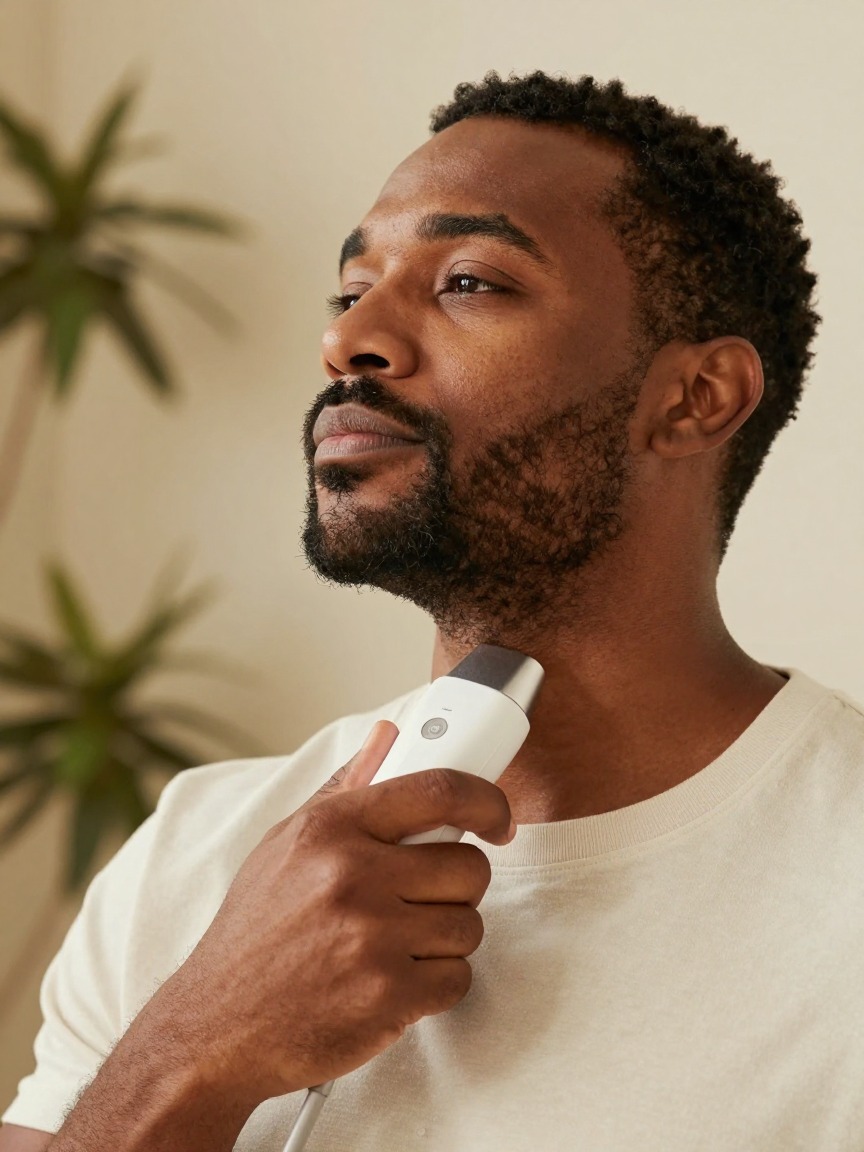
How often should you use a microcurrent device?
Most brands suggest five sessions a week at the start. This opening stretch is called the loading phase. It usually lasts four to eight weeks. Figuring out how often to use a microcurrent device in this window shapes your whole result. The effect builds slowly across many sessions. One session alone changes very little. Close, repeated sessions are what create a visible lift. So the loading phase is not really optional if you want a fair test. Treat those first weeks as the foundation for everything that follows, and getting the basics of these devices right pays off later. A slow start is normal, so do not judge results too early.
Skipping the loading phase is the top reason people feel let down. They pick up a microcurrent device now and then. Then they wonder why nothing has changed. Be honest about how often you can commit before you buy. Five short sessions a week takes real planning. If mornings feel rushed, run it in the evening instead. Even a few focused minutes counts toward the total. A device left in a drawer helps nobody. Set a phone reminder for the first two months. Small habits are what carry you through the loading phase.
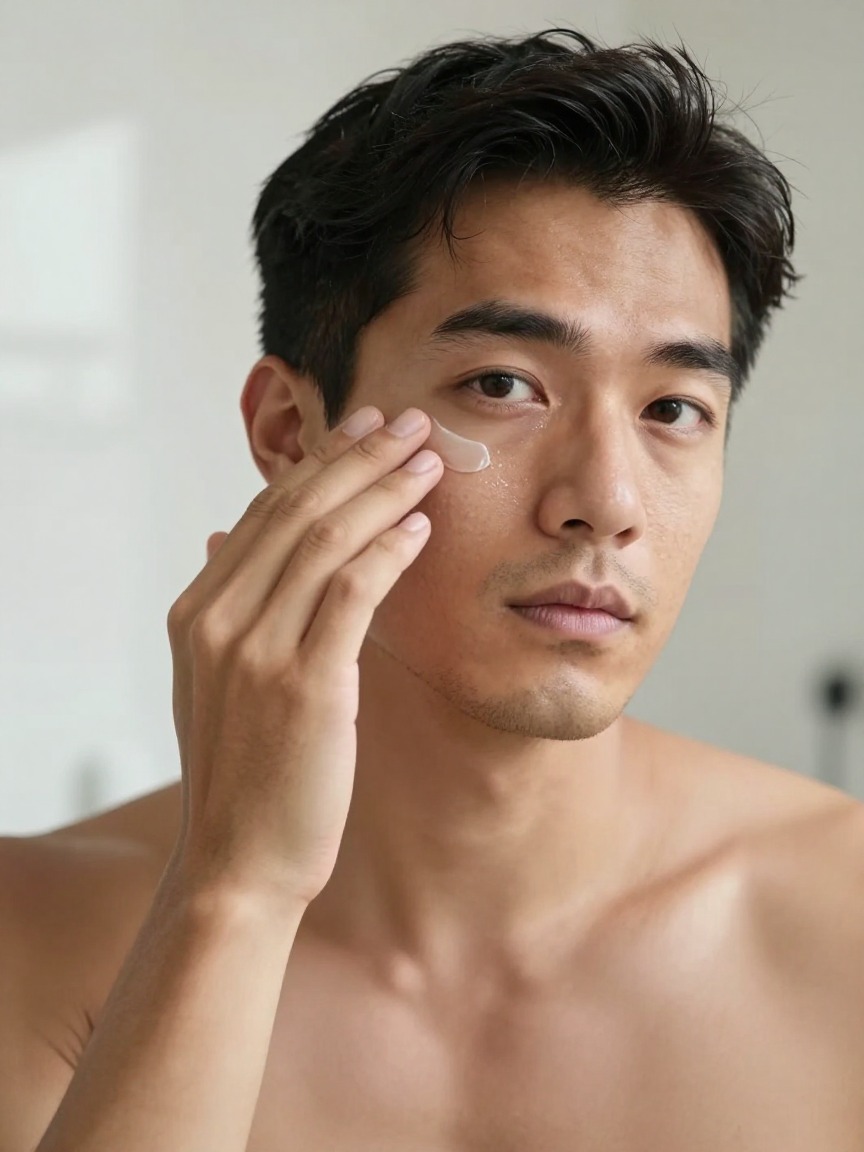
Facial toning gel is part of every single session. A microcurrent device needs that gel to carry current into the skin. Apply a generous layer first, then glide the device slowly across each area. Dry patches block the current and waste the session. Good facial toning also depends on clean, bare skin. Cleanse, apply gel, then begin your passes. Reapply gel the moment it starts to dry out. Working section by section keeps the contact steady and even. Slow, deliberate strokes tend to beat quick, careless ones.
From the loading phase to steady maintenance sessions
Once the loading phase ends, you can taper down. Two or three maintenance sessions a week is the usual target, and dialing in a sustainable routine keeps results steady. Maintenance sessions hold the facial toning effect in place. They also ask far less of your busy schedule. Stop completely and the look softens within a few weeks. That is normal and expected. Results from a microcurrent device stay subtle and temporary. Think of maintenance sessions like light, regular exercise for the face. The muscles respond to steady practice, not to occasional bursts. Consistency over months is what keeps facial toning visible.
Different tools list slightly different routines, so follow your own manual for how often to go. The NuFACE Trinity+ and NuFACE Mini pair with the brand's activating gel primer. The ZIIP Beauty Halo runs app-guided sessions with its own conductive gel. The FOREO Bear offers adjustable intensity for facial toning at home. Reading the guide first saves you guesswork and disappointment. Each device sets its own safe timing, so do not copy a friend blindly.
- Loading phase: about five sessions each week for four to eight weeks.
- Maintenance sessions: two or three times a week after that stretch.
- Facial toning gel under the microcurrent device every single time.
- Consistency beats intensity for lasting facial toning results.
- Track your start date so you can judge progress fairly.
The Solawave Advanced Skincare Wand and MyoLift Mini suit shorter, simpler sessions. Whatever you choose from the tools we rate most highly, the honest answer to how often stays the same. Go often during the loading phase to prime the muscles. Then settle into regular maintenance sessions for the long run. Keep a small routine you can actually sustain. If results still disappoint you after a fair trial, a dermatologist or licensed facialist can suggest other options. A little planning up front makes the whole habit far easier to keep.
Affiliate disclosure: We may earn a commission from qualifying purchases made through links on this page, at no extra cost to you. Some links on this page are affiliate links.
Recommended microcurrent devices
Editor-picked products from our guides.

Trinity+ Facial Toning Device
NuFACE
NuFACE pioneered at-home microcurrent. The Trinity+ is its most complete system. It's FDA-cleared and backed by more independent research than most competitors. It's also built to accept extra attachment heads over time.
- FDA-cleared and the most studied at-home microcurrent brand
- Interchangeable attachment heads for eyes, lips, and larger facial areas
- Built-in timer keeps sessions consistent
- It's a genuine investment once you factor in the required conductive gel primer and optional attachments. Skipping the gel makes it far less effective

Mini Facial Toning Device
NuFACE
It uses the same core microcurrent technology as the Trinity+. This at-home device is compact and single-mode. It's easier to learn on and simpler to pack for travel.
- Same trusted NuFACE microcurrent technology at a lower price point
- Compact size makes it easy to travel with
- Simple one-button operation with no settings to fuss over
- The single attachment head is sized for smaller areas. Covering the whole face takes longer than with the Trinity+'s larger head

Bear
FOREO
The Bear pairs microcurrent with FOREO's T-Sonic pulses. It's designed to work with just water, not a dedicated conductive gel. Comfort still improves with a bit of added moisture.
- App-guided sessions with adjustable intensity levels
- Doesn't strictly require a proprietary conductive gel to function
- Stronger current than several competitors, for people who've built up tolerance
- The higher intensity settings can feel too strong or startling for first-time users. It's also one of the pricier options here