How Microcurrent Devices Work: FDA-Cleared vs. Dual-Probe Basics
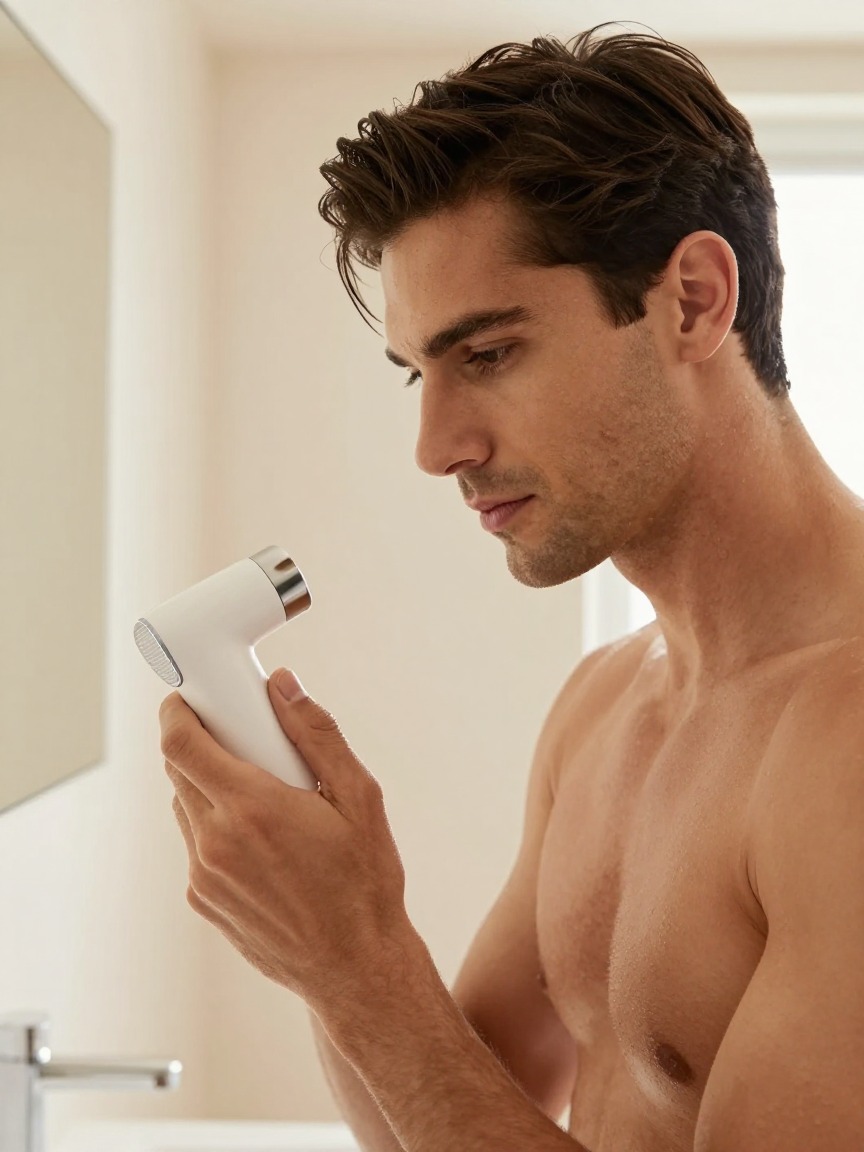
Microcurrent devices send a very low-level electrical current through the skin. Two metal probes or spheres do the work, typically paired with a conductive gel. The current is too weak to feel as a shock. Most people notice a faint tingle at most. The working theory: it delivers gentle muscle stimulation to facial muscles and skin cells, producing a subtle, 'toned' look right after use. Results build with consistent use. They fade if you stop, the same way muscle tone anywhere else responds to exercise. It won't reverse significant sagging skin on its own.
Conductive Gel, Intensity Levels & Battery Life to Check
- FDA clearance as a Class II device signals a real regulatory bar, not just marketing language. NuFACE and a handful of others carry this.
- Adjustable intensity levels let you start low and build up. That matters more than raw power for comfort and consistency.
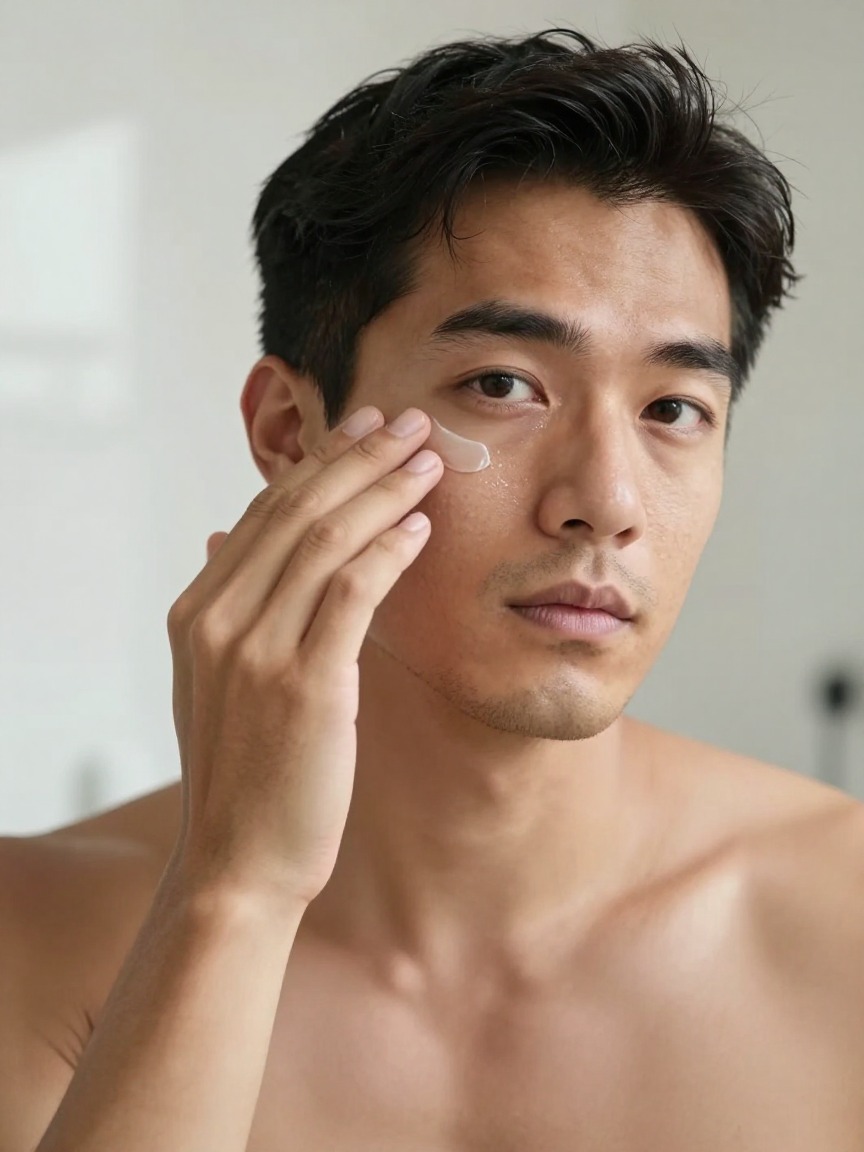
- Conductive gel compatibility — most effective devices need a slippery, conductive gel to complete the circuit between probes and skin. Devices that skip this step usually trade some effectiveness for convenience.
- Probe or attachment design — dual-probe wands cover larger areas faster. Single-probe pens suit precise, small-area touch-ups like around the eyes, mouth, or jawline.
- Battery life and auto shut-off — a built-in timer helps you use the device correctly instead of guessing at session length.
App-Connected Routines & LED Light Therapy Add-Ons
Want the most established, most-studied option? A dual-probe device like the NuFACE Trinity+ is the safer bet for classic facial toning. Want guided routines and don't mind paying more? An app-connected device adds structure, and some layer in LED light therapy too. Still testing whether microcurrent is worth a daily habit? A smaller, lower-intensity at-home device is the more sensible starting point than the priciest option on the shelf.
Who Should Skip It: Pacemaker & Other Cautions
Microcurrent isn't for everyone. Skip it, or check with a doctor first, if you're pregnant, have a pacemaker or any implanted electronic device, or have epilepsy or a seizure disorder. The same goes if you have metal plates or implants in the treatment area, or active cystic acne, open wounds, or a skin infection where you'd apply the device. This isn't a complete list. If you have any chronic health condition, talk to your doctor before adding an at-home electrical device to your routine.
Common Mistakes: Skipping Gel or Rushing the Loading Phase
- Skipping the conductive gel to save time — most devices genuinely don't work as intended without it
- Expecting a single session to erase wrinkles for good, instead of the gradual result the loading phase is designed to build
- Using the highest intensity setting right away, instead of building up tolerance
Spend vs. Save: What a Higher Price Buys
With microcurrent, more money tends to buy app-guided routines, extra attachments, added LED, or a stronger current, not a categorically better result, since consistency matters more than raw intensity. The safest, most-studied route is an established dual-probe system, and it's reasonable to spend there if facial toning is your main goal. If you're still deciding whether you'll stick with a near-daily habit, a smaller, lower-intensity device is the sensible starting buy rather than the priciest option on the shelf. Pay up for app guidance and LED only if those features will genuinely keep you consistent.
Match the Device to Your Routine and Budget
- Classic full-face toning: a dual-probe wand covers larger areas faster and is the established choice.
- Guided, structured routines: an app-connected device, some with LED built in, is worth the premium if you'll follow it.
- Travel or first-timers: a smaller mini version of a proven system lowers the commitment.
- Precision touch-ups around the eyes and mouth: a single-probe pen suits small-area work.
- Budget-conscious multitaskers: a gentle, multi-function wand rather than a dedicated high-intensity tool.
Buying Past the Marketing
Look for genuine FDA clearance as a Class II device, adjustable intensity, a built-in timer, and stated conductive-gel compatibility, and factor the ongoing cost of that gel into your budget. Treat "instant facelift" language with suspicion; you're buying a gradual, maintenance-dependent effect, not a permanent lift, and no price tag changes that. The most common buying mistake here is overspending on the strongest, most feature-packed device and then abandoning it after a week, when a simpler tool you'll actually pick up several times a week would have delivered more. Match the device to the routine you'll realistically keep, not to the results the ad promises.