

Is tinted sunscreen better for dark skin?
For many people, tinted sunscreen is the smarter daily pick for dark skin. A plain mineral sunscreen often leaves a gray or ashy cast on deeper tones. That cast comes from zinc oxide and titanium dioxide, which sit as a pale film on the surface. The iron oxides in a tinted formula solve this. They add a soft, warm pigment that blends into dark skin. The finish looks natural instead of chalky. Using a tint is not mandatory. Still, it is a real upgrade when you want easy protection without a white or gray look.
Tinted formulas also do something a plain sunscreen cannot. The same iron oxides help filter visible light. That matters for even tone. Visible light is linked to worsening hyperpigmentation and melasma on darker skin. So the color doing cosmetic work is also adding protection. Black Girl Sunscreen and Bolden both build products with deeper skin in mind. Their shades tend to melt in rather than look washed out. Beauty of Joseon offers a light, comfortable feel that many people like for daily wear.
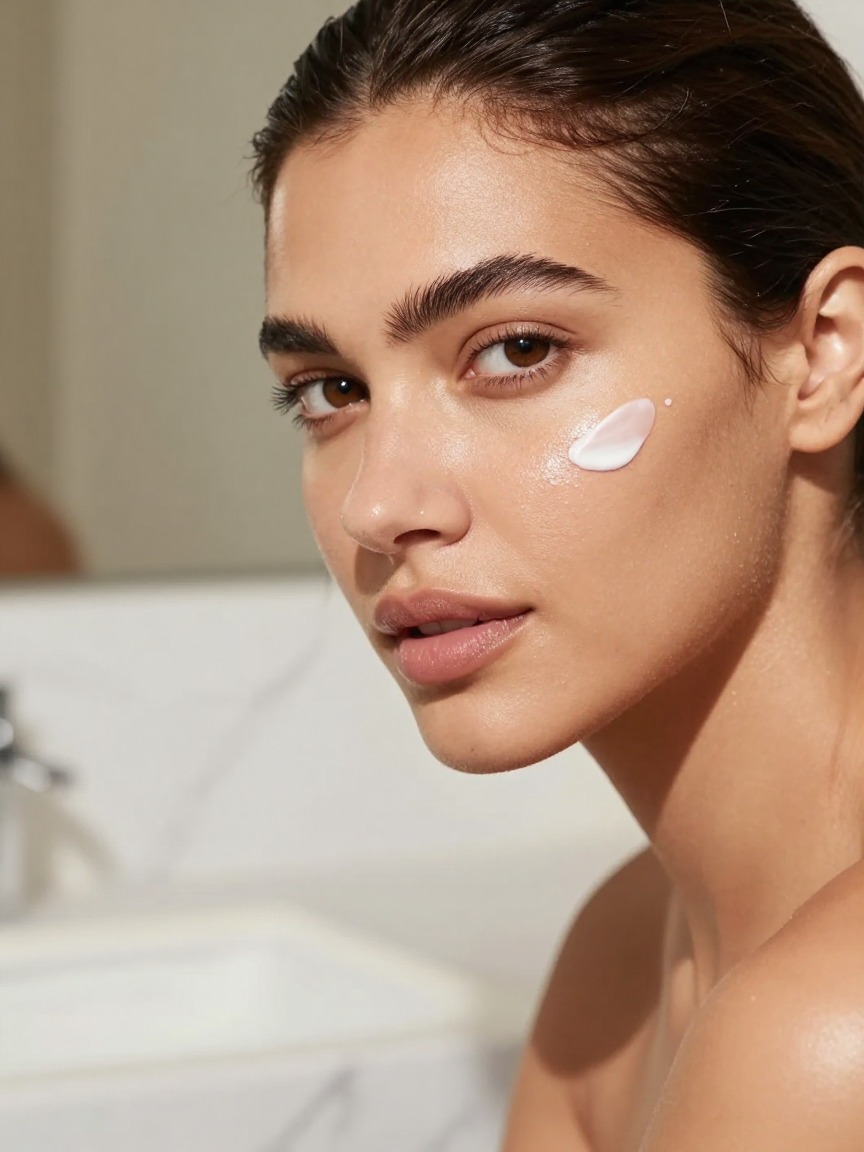
Application matters as much as the formula you pick. Many people use far too little sunscreen, which cuts real protection sharply. Aim for about a quarter teaspoon across the face and neck. Spread it in an even layer and give it a minute to set. With a tinted sunscreen, that also lets the color settle so it looks smooth, not patchy. Thin, rushed layers protect less and can look uneven on dark skin. Take the extra thirty seconds. It is the simplest way to get the coverage the label promises.
How iron oxides and mineral sunscreen fight hyperpigmentation
The tint is not only cosmetic. Iron oxides block part of the visible light that a regular mineral sunscreen misses. For hyperpigmentation-prone skin, that added coverage may help keep dark spots from deepening over time. It works with normal UVA and UVB defense, not instead of it. Visible light comes from the sun and from screens and bulbs, so it reaches you indoors too. That is a big reason dermatologists often suggest iron oxides for melasma. The effect is gentle and gradual, not dramatic. Think of it as steady insurance for tone rather than a quick fix.
You do not give up protection by choosing a tint. A good tinted sunscreen still delivers full broad-spectrum coverage, and most blend cleanly on dark skin. The choice mainly comes down to finish, shade range, and how it feels through the day. Some are matte, some are dewy. Oily skin often prefers a lighter, more matte feel. Drier skin may like a dewier one. Try a small size first if you can. A few options worth knowing:
- EltaMD UV Clear Tinted Broad-Spectrum SPF 46 keeps the tint light and breathable for daily use.
- La Roche-Posay Anthelios Mineral Tinted fluid stays sheer and sits well under makeup.
- Supergoop! leans dewy, which suits people who want a soft glow.
Match the shade in daylight, since indoor lighting can push you toward the wrong tone. Consistency also beats intensity with pigment concerns. Wearing a tinted sunscreen every single day does more than any occasional strong product. Reapply outdoors or near windows, and keep a spare tube in your bag. Over weeks and months, that steady habit is what protects tone. A tinted sunscreen is a meaningful step for anyone managing hyperpigmentation on dark skin. It is not a cure and will not erase spots on its own. If a dark spot changes quickly, itches, or looks unusual, see a dermatologist rather than leaning on sunscreen alone.
Affiliate disclosure: We may earn a commission from qualifying purchases made through links on this page, at no extra cost to you. Some links on this page are affiliate links.
Recommended sunscreens for dark skin tones
Editor-picked products from our guides.
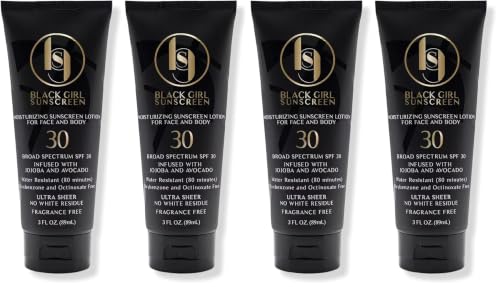
Black Girl Sunscreen SPF 30 Moisturizing
Black Girl Sunscreen
Built from the ground up for melanin-rich skin, with a chemical filter blend and a moisturizing base. It's one of the few skin-of-color sunscreens sold in mainstream drugstores, so restocking is easy.
- Genuinely disappears into deep skin with no gray or purple cast
- Moisturizing avocado and carrot-seed oil base adds light hydration
- Widely stocked at Target, Ulta, and Walmart
- The oil-forward base can feel a bit heavy or slightly greasy if you already have oily or acne-prone skin

Unseen Sunscreen SPF 40
Supergoop!
The gel-oil hybrid texture sets to a clear, weightless finish. That's why it's become a go-to 'primer' pick. It leaves no cast on any depth of skin.
- Truly invisible finish, no white or gray tinge on any skin tone
- Doubles as a smoothing makeup primer
- Fragrance-free formula is gentle for daily use
- The 1.7 oz tube is small and pricey per ounce, so it adds up fast if you also use it on your body

UV Clear Tinted Broad-Spectrum SPF 46
EltaMD
This is the tinted version of the sunscreen dermatologists recommend most. It's built around niacinamide to calm skin. A universal iron-oxide tint blends into a wide range of deeper tones.
- Contains niacinamide to help calm redness and irritation
- Oil-free, non-comedogenic formula suits acne-prone and sensitive skin
- Universal tint blends into a broad range of medium-to-deep tones
- Only comes in one universal tint, so very deep skin may still want a touch of foundation over it for a perfect match