

Skip to content
Sunscreens for Dark Skin Tones · Deep dive

Avoiding White Cast on Deeper Skin Tones

Why zinc oxide and titanium dioxide cause white cast

White cast isn't a random formulation flaw — it's basic physics. Zinc oxide and titanium dioxide, the two mineral (physical) UV filters, sit on top of skin. They reflect UV radiation away before it penetrates. To do that job, the particles also reflect a portion of visible light back at the eye. On fair skin, that reflected light blends into a similarly light base tone. It reads as a faint sheen. On medium and deep skin, the same reflected light shows up differently. It becomes a flat, opaque gray or slightly purple cast. It sits visibly on top of a much darker base. The light being bounced back is simply much lighter than the skin underneath it.

Micronized and nano zinc oxide: does particle size fix it?

Older mineral formulas used large, unrefined mineral particles. Those scatter more visible light and cast harder. Most modern mineral sunscreens use 'micronized' or 'nano' zinc oxide and titanium dioxide instead. The particles are ground down small enough to scatter UV efficiently while scattering less visible light. That's a real improvement. But it doesn't eliminate cast entirely, especially in a thick layer or on very deep skin. If you want a mineral-only sunscreen, check for 'micronized' on the label, not just 'zinc oxide.' That's a reasonable proxy for a lighter finish, though not a guarantee.

Chemical filters, avobenzone, and octisalate skip the problem

Chemical (organic) UV filters work differently. Avobenzone, octisalate, octocrylene, homosalate, and others absorb UV energy at a molecular level. They release it as heat, rather than sitting on the skin's surface reflecting light. They dissolve into skin instead of sitting on top of it. That means no cast in the first place, regardless of skin tone. That's why most sunscreens marketed as 'no white cast' lean on chemical filters, or a hybrid mix. Few go 100% mineral — Black Girl Sunscreen is a well-known chemical-filter example built for exactly this reason.

Mineral filters, hybrid formulas, and tinted sunscreen: the workaround

Maybe you prefer mineral filters for sensitivity, a dermatologist's recommendation, or simple preference. A tinted mineral sunscreen is the better starting point than an untinted one. Hybrid formulas that blend a small amount of mineral filter with chemical filters are another middle ground. La Roche-Posay's Anthelios Tinted mineral fluid is a good example. It's a 100% mineral pick built specifically to offset cast with tint.

Iron oxide, blue light, melasma, and hyperpigmentation

Tinted formulas add iron oxides, the same color pigments used in some foundations. They neutralize the gray-purple cast by adding warmth back into the mix. Iron oxides carry a genuine secondary benefit, too. Unlike zinc oxide and titanium dioxide, they help filter visible and blue light, often called HEV light. That light has been linked to worsening melasma and post-inflammatory hyperpigmentation in deeper skin tones specifically. For anyone managing active hyperpigmentation, a tinted sunscreen does more protective work than an untinted one, cast issues aside. EltaMD's niacinamide-based tinted formula is one example.

Dermatologist tips: applying sunscreen on sensitive skin without cast

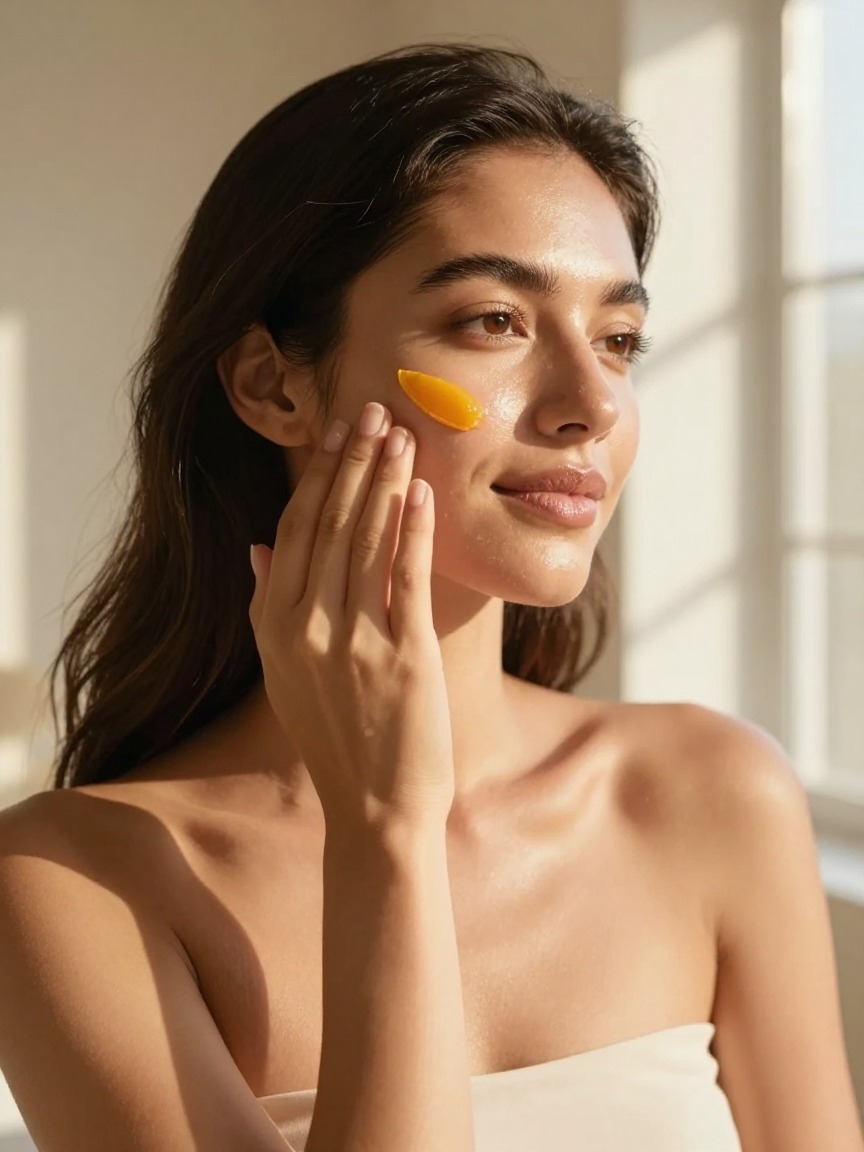
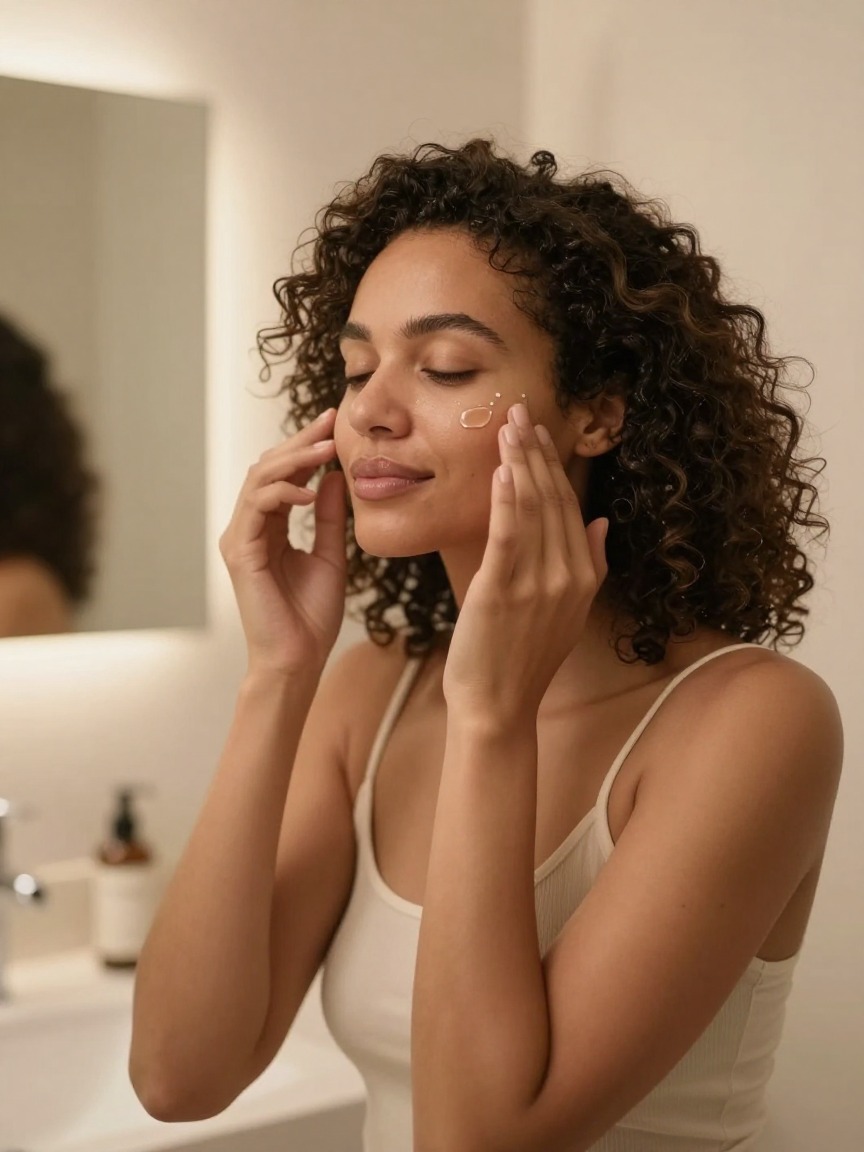
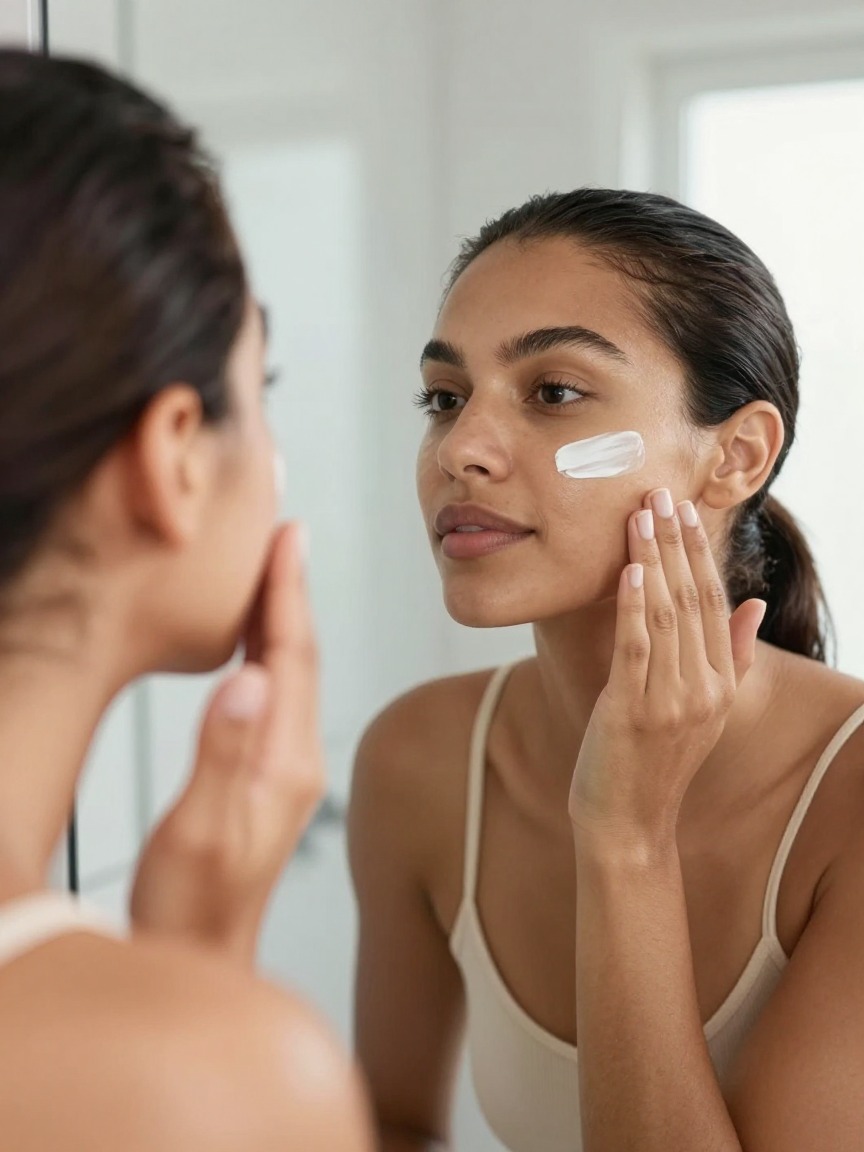
  • Warm a pea-sized amount between clean fingertips before applying. This thins the product and helps it spread evenly, rather than sitting in a visible layer. It's useful for sensitive skin too.
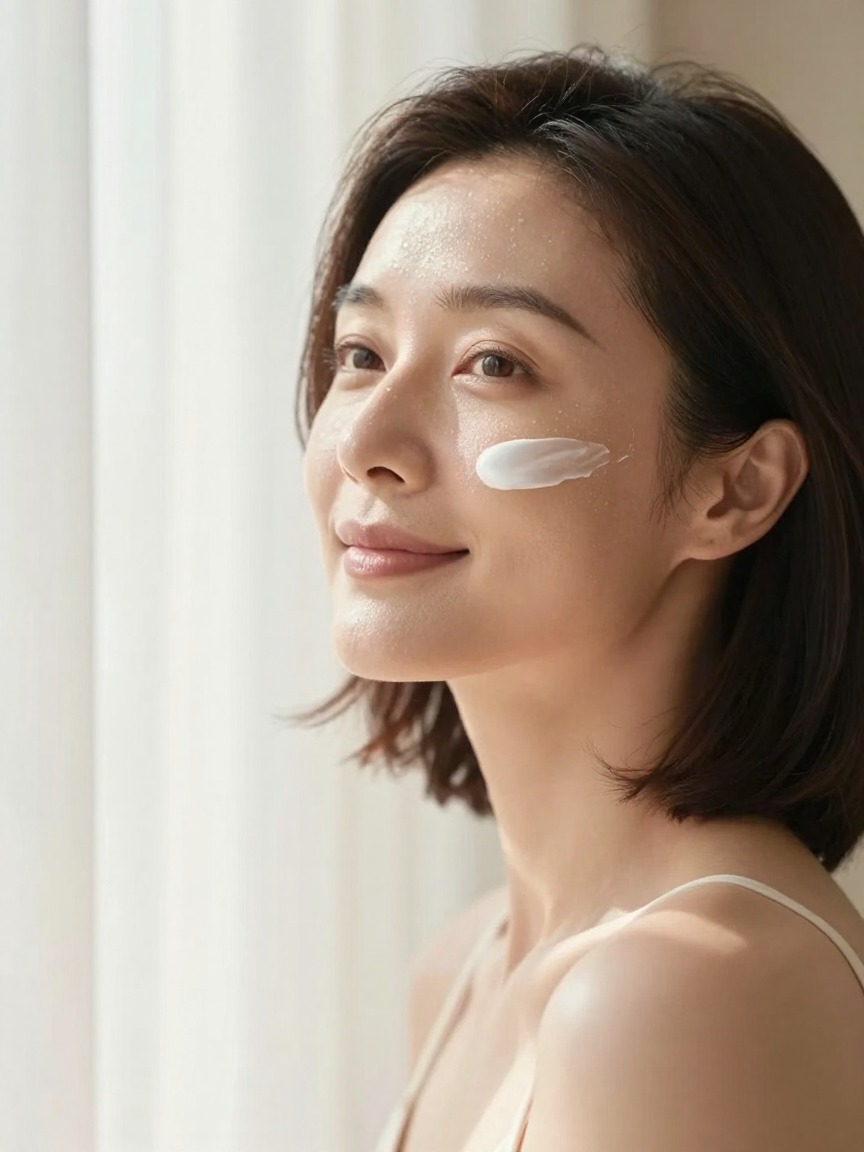
  • Apply in thin layers and build up to full coverage, rather than one thick coat. That's where cast is most obvious.
  • Use a slightly damp makeup sponge to stipple, not rub, the last bit into skin. Focus on the hairline and jaw, where cast shows most.
  • Give it a full 5 minutes to set before judging the finish. Many formulas oxidize or melt into skin, and the initial cast fades noticeably.
  • Test on your jaw or cheek, not your wrist. Wrist skin is often a shade or two lighter than facial skin and won't show a true result.

Pilling vs. cast: when it's not the sunscreen's fault

Sometimes what looks like a lingering cast is actually pilling. That's product balling up on the skin's surface. Too many layers of incompatible textures — moisturizer, sunscreen, primer, foundation — get stacked too fast. There's no time to absorb between steps. Waiting 60 to 90 seconds between each skin care step, before applying the next, reduces pilling substantially. It's often mistaken for a sunscreen cast problem when the real cause is application order.
You may be interested in

Popular picks from related categories, chosen with the same rubric.

Editor's Pick #1
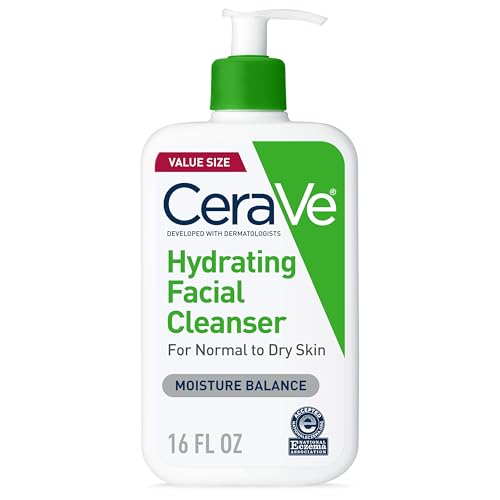
Hydrating Facial Cleanser
Dry-to-normal sensitive skin, especially anyone also using retinoids or other actives

Hydrating Facial Cleanser

CeraVe

It's formulated with three ceramides, hyaluronic acid, and a National Eczema Association seal. Dermatologists mention it most often for reactive skin. It's a genuinely non-foaming, low-irritation formula that doesn't strip the barrier.

Ceramide and hyaluronic acid formula supports the skin barrier while cleansing
Fragrance-free, non-foaming, and won't disrupt a compromised moisture barrier
Budget-friendly per ounce and widely available at drugstores
Doesn't fully dissolve heavy sunscreen or long-wear makeup on its own, so double-cleansing days may need a micellar water or oil-based first step
Best Value #2
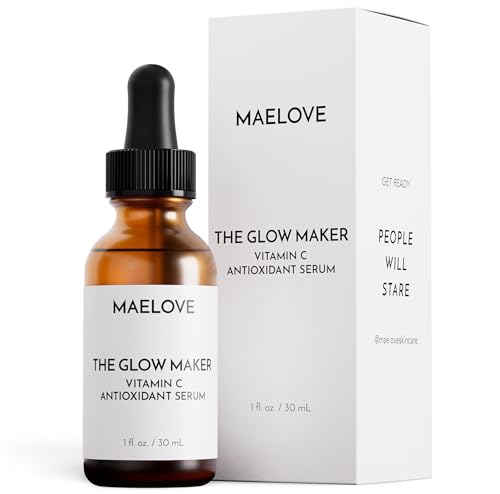
Glow Maker
Readers who want a well-formulated L-ascorbic acid serum without the prestige price tag

Glow Maker

Maelove

It leans on similar formulation logic to pricier serums: L-ascorbic acid plus vitamin E and ferulic acid. It costs a fraction of the price. That's why it's often called an affordable alternative to the prestige options.

Combines L-ascorbic acid with vitamin E and ferulic acid, echoing higher-end formulas
Opaque pump bottle helps limit light and air exposure
Noticeably cheaper per ounce than most L-ascorbic acid serums of similar formulation
The pump can dispense unevenly or feel like it needs priming, a minor but frequently mentioned annoyance
Editor's Pick #1
Moisturizing Cream
Normal to dry skin that wants a dermatologist-developed, fragrance-free daily moisturizer

CeraVe Moisturizing Cream

CeraVe

It pairs three essential ceramides with hyaluronic acid in a rich, fragrance-free base. Long-term users with dry, compromised skin consistently praise it. It's also inexpensive enough to use liberally.

Ceramide + hyaluronic acid formula supports the skin barrier
Fragrance-free and well-tolerated by sensitive skin
Large jar size makes it very cost-effective per ounce
The tub packaging means dipping fingers into the product, which isn't ideal for hygiene or portability
Editor's Pick #1
Super Volcanic Pore Clay Mask 2X
oily, pore-prone skin that wants a formula built specifically around pore congestion

Super Volcanic Pore Clay Mask 2X

innisfree

Two types of volcanic clay target sebum and blackheads. The texture isn't chalky or hard to remove like older clay formulas. It's also genuinely affordable for how often you'll reach for it.

Lightweight, non-cakey texture that spreads and rinses easily
Visibly reduces the look of congested pores after a single use
Priced low enough to use regularly without guilt
The mineral scent is noticeable and won't appeal to everyone
Editor's Pick #1
Skin Perfecting 2% BHA Liquid Exfoliant
Anyone dealing with clogged pores, blackheads, or rough, bumpy texture who wants an evidence-backed exfoliating toner

2% BHA Liquid Exfoliant

Paula's Choice

It's built around a well-studied 2% salicylic acid concentration at an effective pH. The base is fragrance-free and alcohol-free. That combination is why it's stayed a favorite among ingredient-focused shoppers for years, rather than fading as a trend.

2% salicylic acid at a pH that actually works
Fragrance-free and alcohol-free formula
Noticeably improves texture and blackheads with consistent use
The active concentration can cause redness or flaking in the first couple of weeks, so it's not the easiest starting point for very reactive or rosacea-prone skin
Editor's Pick #1
Contour Face
people who want the most clinically studied LED mask on the market and don't mind the price

Contour Face

Omnilux

Omnilux's LED technology is the same platform used in dermatology clinics. The Contour Face is its rigid, dermatologist-favorite home version, and it has more research behind it than most at-home competitors.

Extensive clinical research behind Omnilux's LED platform, more than most home devices
FDA-cleared for temporary reduction in the appearance of fine lines and wrinkles
Even, consistent light distance thanks to the rigid, hinged design
Rigid shell doesn't flex to different face shapes, there's no blue-light setting for acne, and it's one of the most expensive masks on the market

Affiliate disclosure: We may earn a commission from qualifying purchases made through links on this page, at no extra cost to you. Some links on this page are affiliate links.