Why zinc oxide and titanium dioxide cause white cast
Mineral (physical) UV filters — zinc oxide and titanium dioxide — sit on the surface of skin. They scatter visible light instead of absorbing it, which is exactly what makes them effective at reflecting UV rays. On fair skin, the scatter reads as a faint whitish sheen that blends in easily. On medium and deep skin tones, the same particles reflect visible light against a much darker base. That produces a flat gray or purple-ish tinge that's hard to rub away completely.
Chemical filters, mineral filters, and hybrid formulas
Chemical (organic) filters — avobenzone, octisalate, homosalate, octocrylene — absorb UV rays and convert them to heat. They dissolve into skin clear, with no residue. That's why most of the picks below lean chemical or hybrid. Mineral filters aren't off the table, though. Newer formulas use micronized or 'nano' zinc oxide and titanium dioxide, which scatter less visible light. Some add iron-oxide tints color-matched to camouflage what residue remains. If you want to avoid chemical filters — for sensitivity, personal preference, or a dermatologist's recommendation — a tinted mineral formula beats an untinted one.
Tinted sunscreen, iron oxide, melasma, and hyperpigmentation
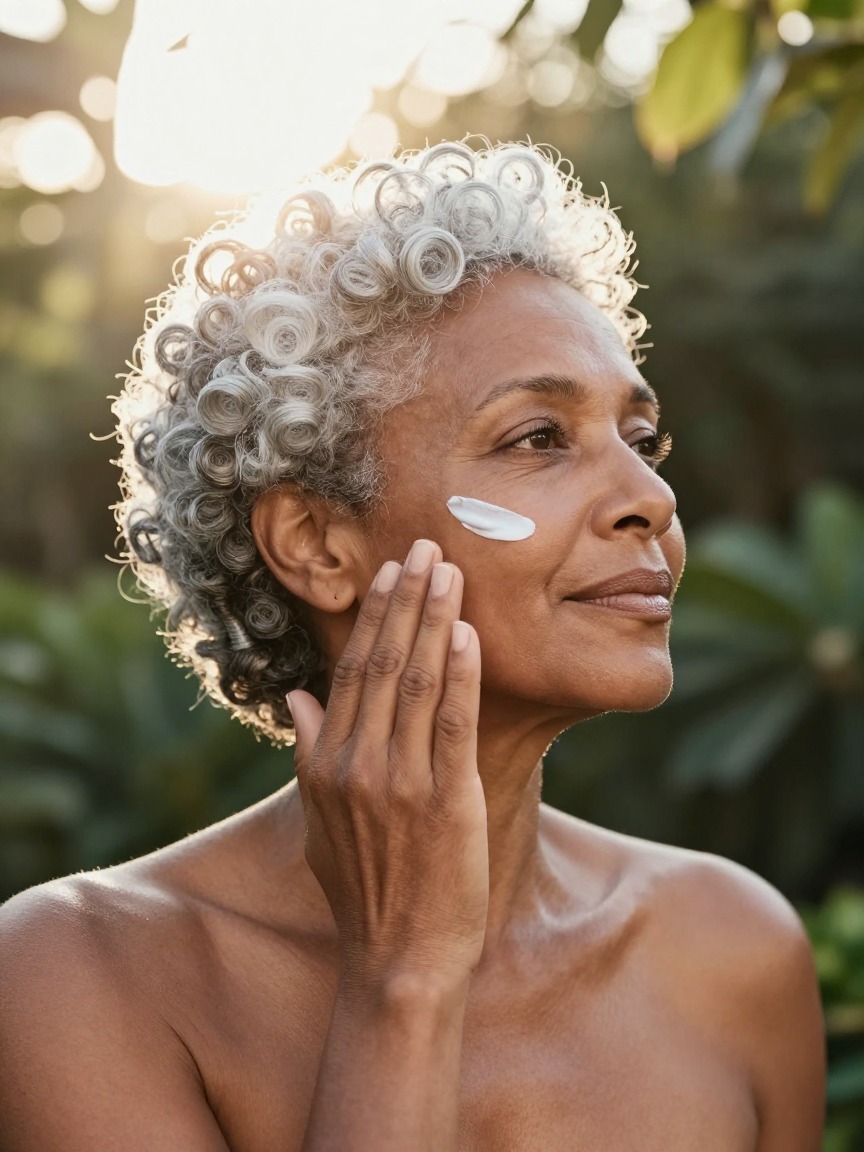
Tinted formulas add iron oxides, the same pigments used in some foundations. They do two jobs. First, they neutralize the ashy cast from mineral filters. Second — as a genuine bonus — they help block visible and blue light (HEV light). That light has been linked to worsening melasma and post-inflammatory hyperpigmentation in deeper skin. If hyperpigmentation is a concern, prioritize a tinted sunscreen over an untinted one, even when the SPF numbers are similar.
Oily skin, sensitive skin, niacinamide, and non-comedogenic picks
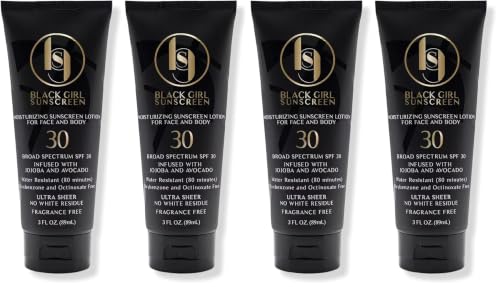
Filter type matters, but texture and skin type matter just as much. Oily or acne-prone skin does best with an oil-free, non-comedogenic formula in a gel or fluid texture. Sensitive skin tends to tolerate mineral or hybrid filters better than heavy chemical blends, especially formulas built around niacinamide to calm redness. Dry skin benefits from a moisturizing base, like the avocado and carrot-seed oil in Black Girl Sunscreen.
Testing broad-spectrum SPF for cast before you commit
Don't judge a sunscreen straight out of the tube. Apply a full pea-sized amount to your jaw or cheek, and rub it in completely. Wait a full 5 minutes — most formulas set or oxidize as they dry, and a cast that looks obvious at minute one can be gone by minute five. Testing on the inside of your wrist isn't reliable, since that skin is usually a shade or two lighter than your face.
Dermatologist recommended picks vs. drugstore staples
EltaMD is one of the sunscreens dermatologists recommend most, and its tinted version keeps that same niacinamide-based formula. If easy restocking matters more, Black Girl Sunscreen is one of the few dedicated skin-of-color sunscreens sold at mainstream drugstores like Target and Walmart. Neither approach is 'better' — pick based on whether you want a clinical recommendation or a convenient refill.
Common mistakes on melanin-rich skin
- Using too little — most people apply less than half the amount (about a quarter-teaspoon for the face) needed to hit the SPF on the label.
- Skipping reapplication because the first coat looked fine — protection degrades with sweat, sun exposure, and time regardless of skin tone.
- Assuming a moisturizer with SPF is enough — most contain too little product or too low an SPF to count as real daily sun protection.
- Buying based on reviews from lighter-skinned reviewers alone — cast performance varies enormously by depth of tone, so cross-check swatches from someone closer to your own.
Matching a Pick to Your Skin Type and Budget
Once you have ruled out white cast, let skin type and price steer the final choice. For an everyday, no-cast default, a formula built for deep skin like the one from Black Girl Sunscreen is an easy starting point. If you want your sunscreen to double as an invisible makeup base, a residue-free option from a brand such as Supergoop fits under foundation cleanly. Sensitive or acne-prone skin does better with a calmer, niacinamide-based tinted formula like EltaMD's, while anyone set on a 100% mineral filter without the ash should look to a tinted mineral fluid such as La Roche-Posay's. Prefer a lightweight, dewy feel and don't mind an import? A Korean option from a brand like Beauty of Joseon delivers that at a friendly price. And if easy restocking and value matter most, a purpose-built, budget pick from a brand like Bolden keeps you consistent, which is what actually protects your skin.