

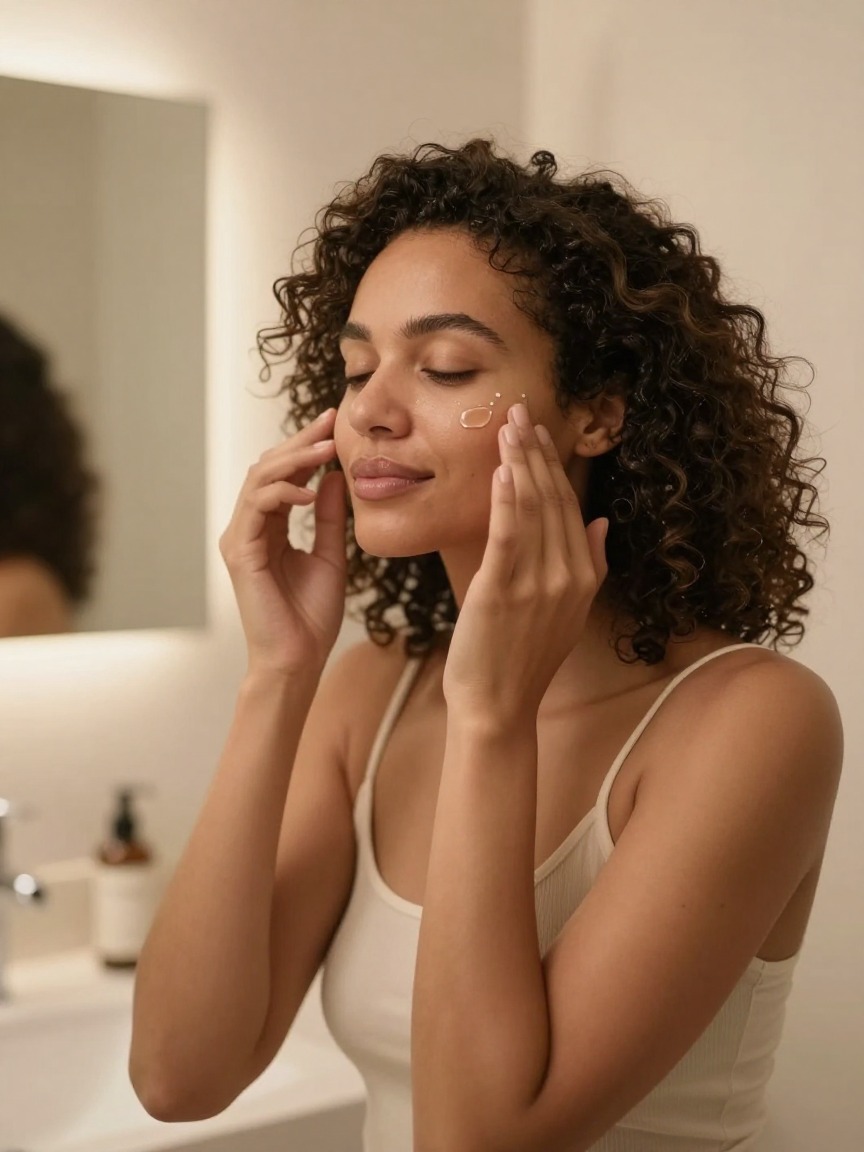



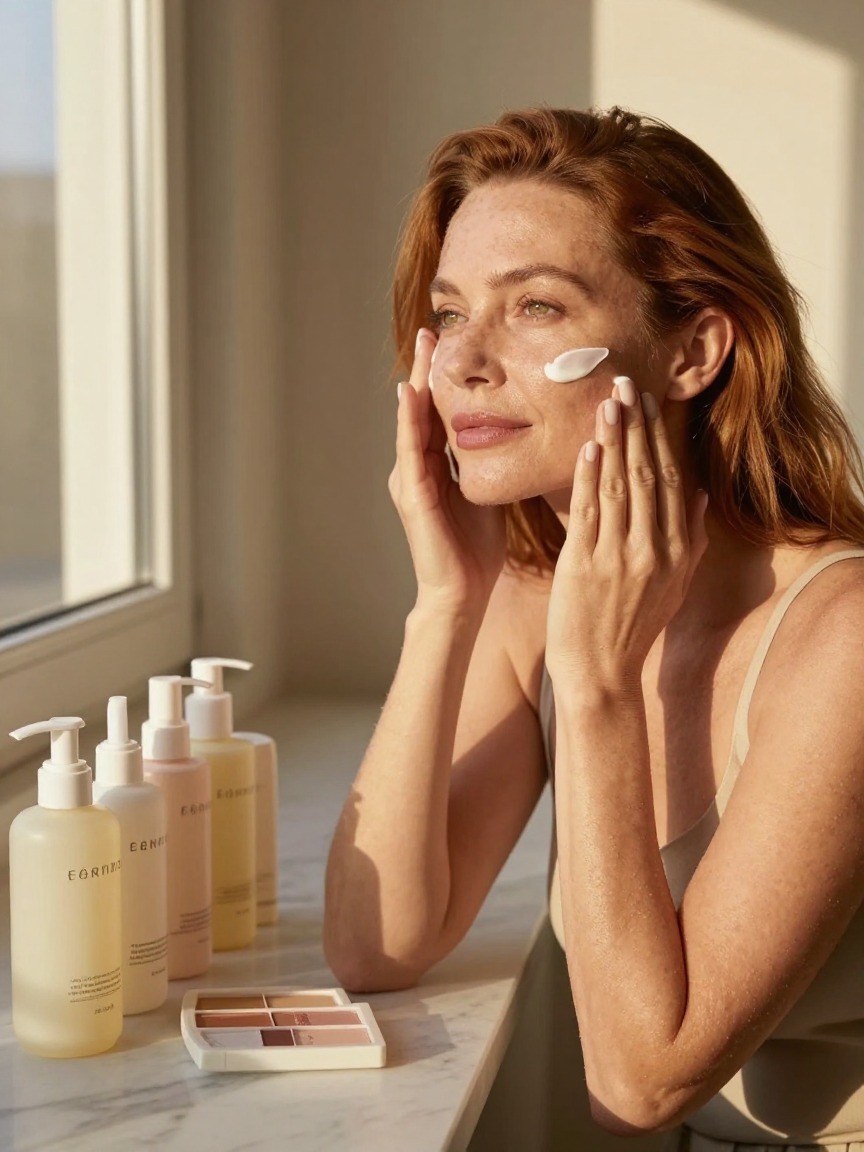

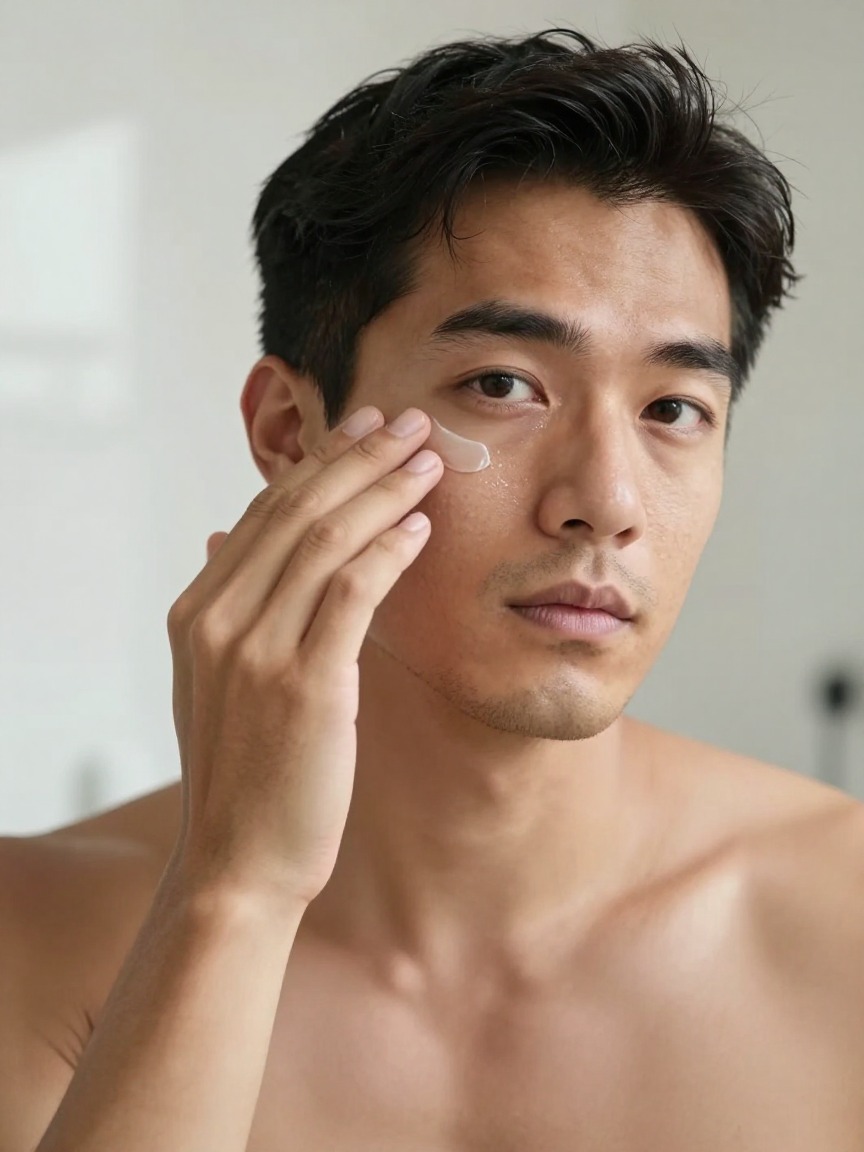


Should combination skin use different products on different areas?
Combination skin does best with a smart mix, not two full routines. Keep your base products the same across the whole face. That means one cleanser, one moisturizer, and one sunscreen for everything. Then use different products only where the skin truly differs. This zone-based method is sometimes called multi-masking. It avoids over-treating dry cheeks while still handling an oily forehead and nose. You do not need a shelf of separate items. You need a few well-chosen ones applied to different areas with intent.
The logic is simple. Combination skin is oily in some spots and normal to dry in others. A single harsh routine will always shortchange one area. Splitting only the active steps by different areas fixes that. CeraVe covers the gentle base with its foaming or hydrating cleanser. Neutrogena Hydro Boost works as a light all-over moisturizer. La Roche-Posay offers an oil-free sunscreen that suits the whole face. Keep those constant, and target the rest. Consistency in the base is what keeps combination skin stable. When you change cleansers or moisturizers too often, the whole face can react. A steady routine gives your skin time to settle into a rhythm. Then the only variable is the small set of targeted treatments you add. That control is exactly what makes different areas easier to manage. It also saves money, since you buy fewer full-size products overall.
So the honest answer is yes, but with limits. Use different products for treatment steps, not for every step. Simplicity keeps the routine sustainable.
Targeted treatments for the oily t-zone
The oily t-zone is the forehead, nose, and chin. This strip makes the most oil and clogs most easily. That is where targeted treatments earn their place. A salicylic acid exfoliant used only here keeps pores clear without drying your cheeks. Paula's Choice makes a well-known 2% BHA liquid for exactly this job. The Ordinary offers a niacinamide serum that helps balance shine. Apply these to the oily t-zone, then stop before you reach drier areas.
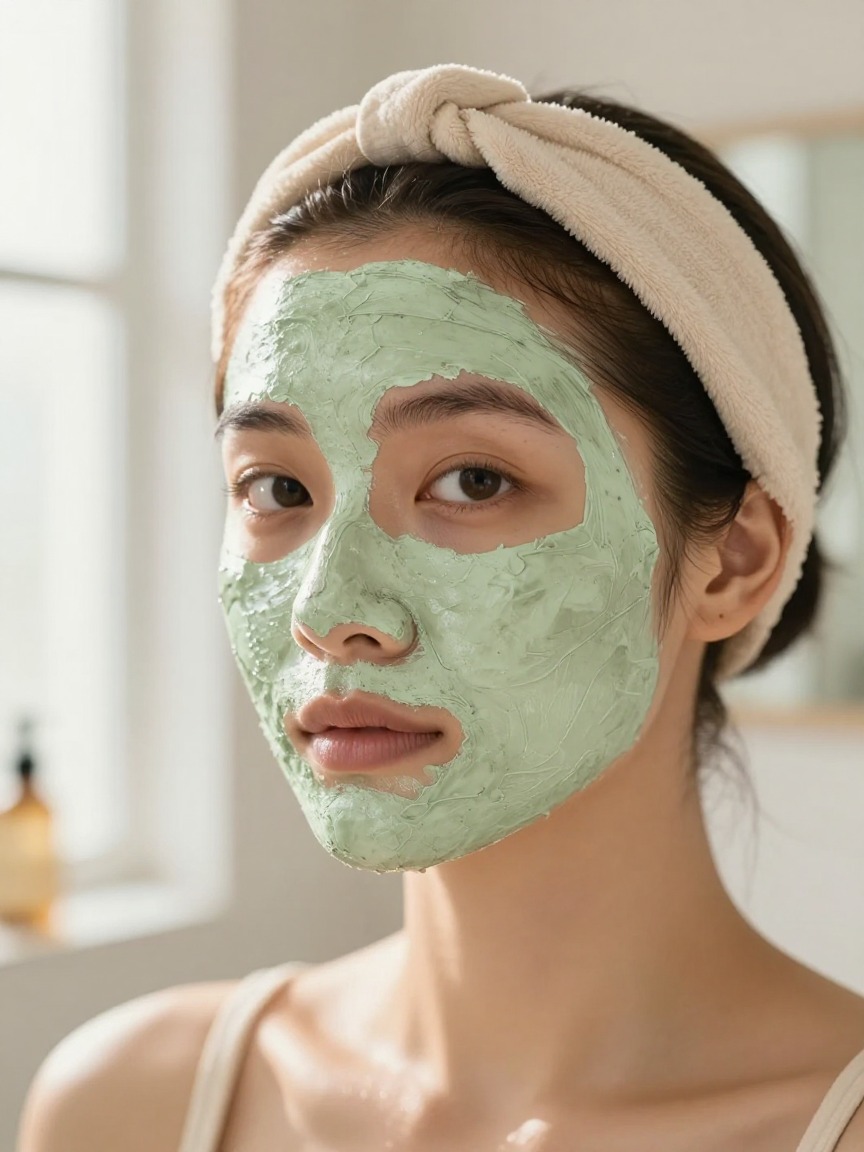
Clay masks are another good spot treatment. Painted only on the oily t-zone, they absorb excess oil without stripping the rest of the face. This is the heart of multi-masking. You can even use two different masks at once for combination skin. A clay mask goes on the oily t-zone, and a hydrating mask on dry cheeks. Left on for the same ten minutes, each area gets what it needs. This is the clearest example of using different products on different areas. It sounds fussy, but it takes only a minute more than a single mask. A simple weekly plan might look like this:
- Use an oil-free moisturizer over the whole face.
- Apply targeted treatments like BHA or clay to the oily t-zone.
- Add a richer cream only on dry cheeks if they need it.
Adjust with the seasons, since combination skin shifts in winter and summer. The zone may calm down or flare depending on weather and stress. Keep the base steady and tweak only the targeted treatments over different areas. If breakouts or dryness feel out of control despite a sensible routine, a dermatologist can help you fine-tune. Handled this way, combination skin becomes far easier to manage than it first seems. Start simple, then adjust as you learn how each area behaves. Combination skin rewards a little patience more than a big product haul.
Affiliate disclosure: We may earn a commission from qualifying purchases made through links on this page, at no extra cost to you. Some links on this page are affiliate links.
Recommended skincare routine for combination skin
Editor-picked products from our guides.

Cleanser — CeraVe Foaming Facial Cleanser
CeraVe
A gel-to-foam formula with ceramides and niacinamide. It clears excess oil while supporting the skin barrier. Many foaming cleansers strip skin instead — this one doesn't.
- Ceramide and niacinamide formula supports the skin barrier while cleansing
- Gel-to-foam texture removes T-zone oil without a tight, stripped feeling on the cheeks
- Fragrance-free and non-comedogenic
- Doesn't fully remove heavy sunscreen or makeup on its own — may need a first cleanse or micellar water on those days

Toner — Paula's Choice Skin Balancing Pore-Reducing Toner
Paula's Choice
Formulated for combination and oily-prone skin. It refines the look of pores. It manages midday oil without the alcohol-heavy sting of older-style toners.
- Alcohol-free formula avoids the over-drying effect of traditional astringent toners
- Helps refine the appearance of enlarged pores in the T-zone
- Lightweight enough to layer under serum and moisturizer
- Results on pore appearance are temporary and cosmetic, not a permanent change to pore size

Niacinamide Treatment — The Ordinary Niacinamide 10% + Zinc 1%
The Ordinary
Niacinamide is one of the best-evidenced ingredients for regulating oil production. It also supports barrier function at the same time — exactly the dual job combination skin needs.
- Well-studied ingredient for oil regulation and barrier support
- Affordable enough to use consistently, which matters more than concentration for niacinamide
- Lightweight, fast-absorbing formula that layers well under moisturizer
- The 10% concentration and zinc can feel slightly drying on some cheeks — patch test before applying it nightly over the entire face