







A routine for combination skin: gel cleanser and niacinamide serum
The best routine for combination skin treats different areas differently. Your T-zone runs oily, while your cheeks may feel normal or dry. One product used everywhere rarely suits both zones well. The real goal is balance rather than fighting your skin. You want to calm the oily areas without stripping the dry ones. That balance is the whole challenge of combination skin. A slightly flexible routine handles it far better than a rigid one. Small adjustments by area make a big difference.
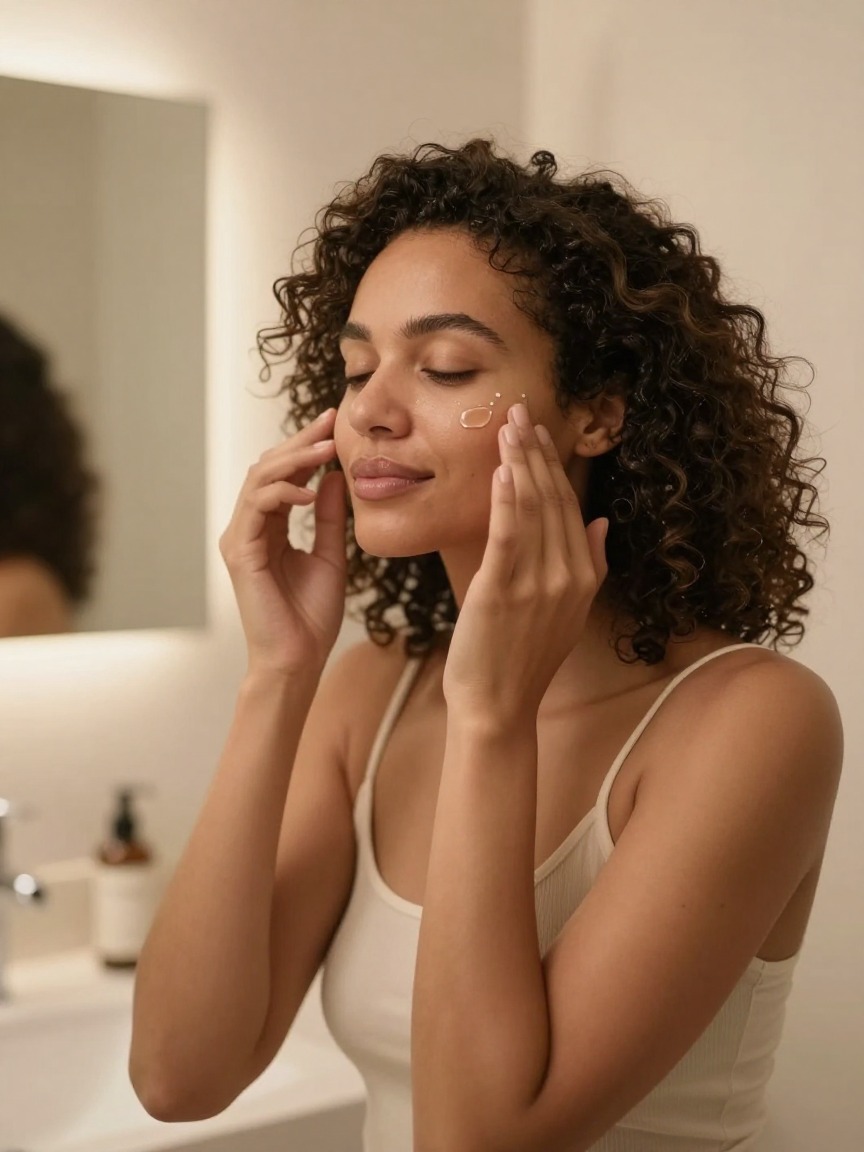
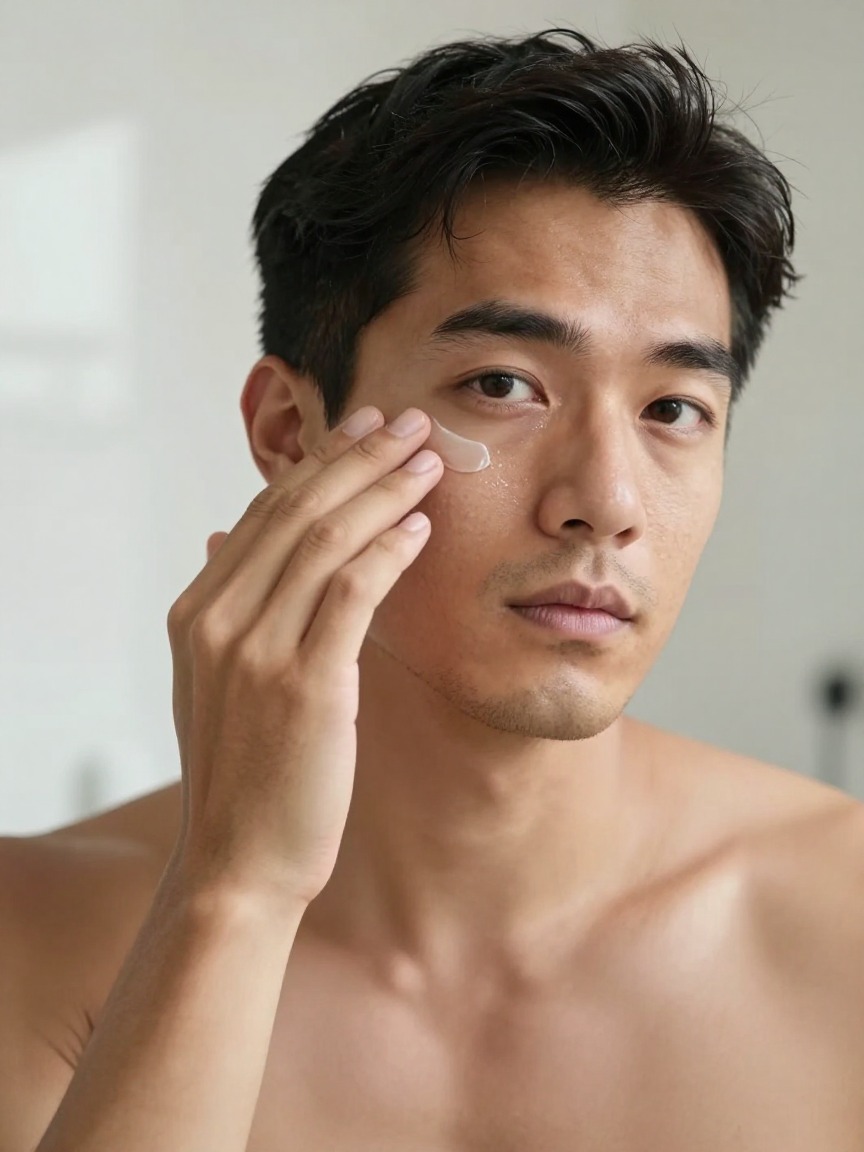
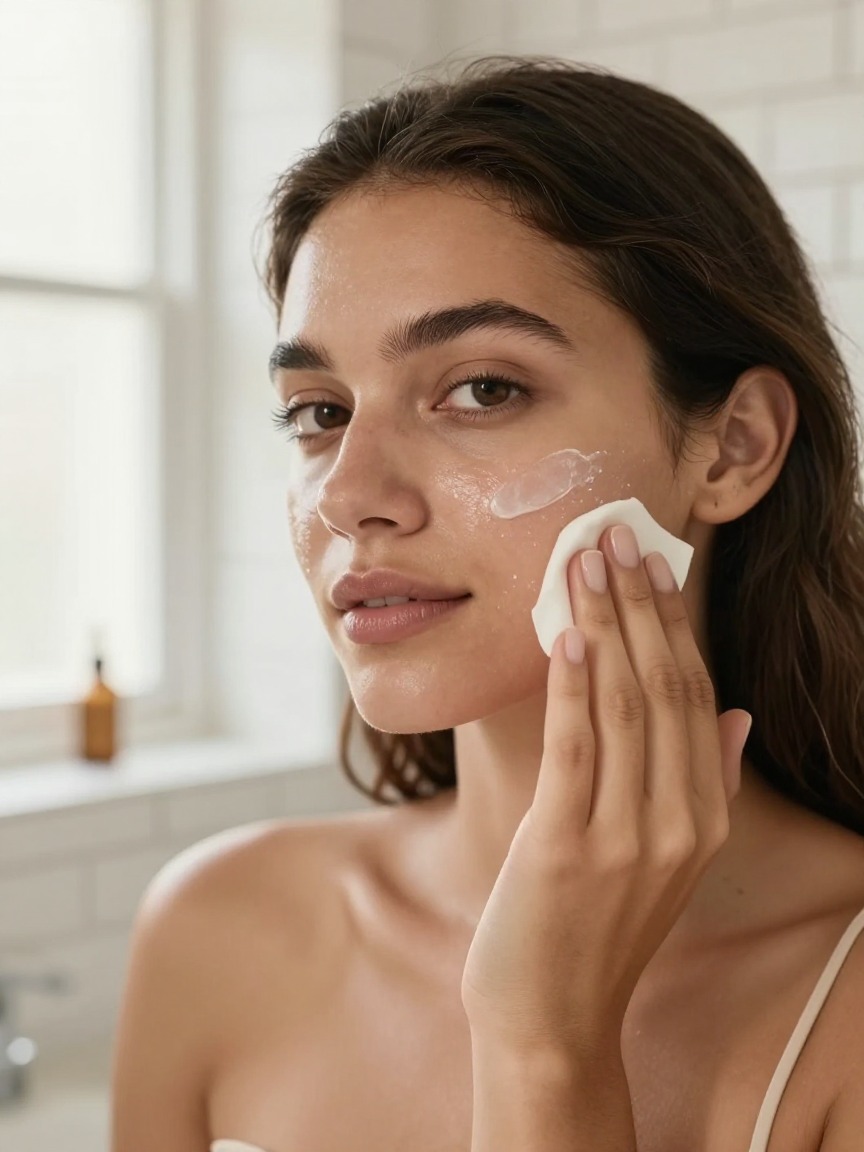
Start simple on the whole face before you get specific. Use a gentle gel cleanser like CeraVe Foaming Facial Cleanser to begin. Follow with a balancing toner such as Paula's Choice Skin Balancing Pore-Reducing Toner. Then apply a niacinamide serum to help manage oil and the look of pores. A gel cleanser clears excess oil without over-drying the skin. That keeps both zones comfortable rather than reactive. Rinse with lukewarm water instead of hot, which strips the skin.
The Ordinary Niacinamide 10% + Zinc 1% is a low-cost niacinamide serum that fits this step. Finish with a lightweight gel moisturizer to seal in hydration. Neutrogena Hydro Boost Water Gel hydrates without any heaviness. This base works well across combination skin as a whole. It hydrates dry cheeks while staying light on the oily T-zone. Apply it to slightly damp skin for better absorption. Then add sunscreen every morning as your final daytime step.
Targeting the oily t-zone on combination skin
The oily t-zone often needs extra, targeted care. Reserve stronger treatments for that area alone, not the whole face. This keeps your drier cheeks calm and comfortable. Spot-treating is the heart of a smart routine for combination skin. It lets you push harder exactly where you need to. And it protects the areas that flake or feel tight easily. Precision beats a blunt, one-size approach every time. A few practical moves help you focus on the oily t-zone:
- Apply a BHA like Paula's Choice 2% BHA Liquid Exfoliant to the T-zone only.
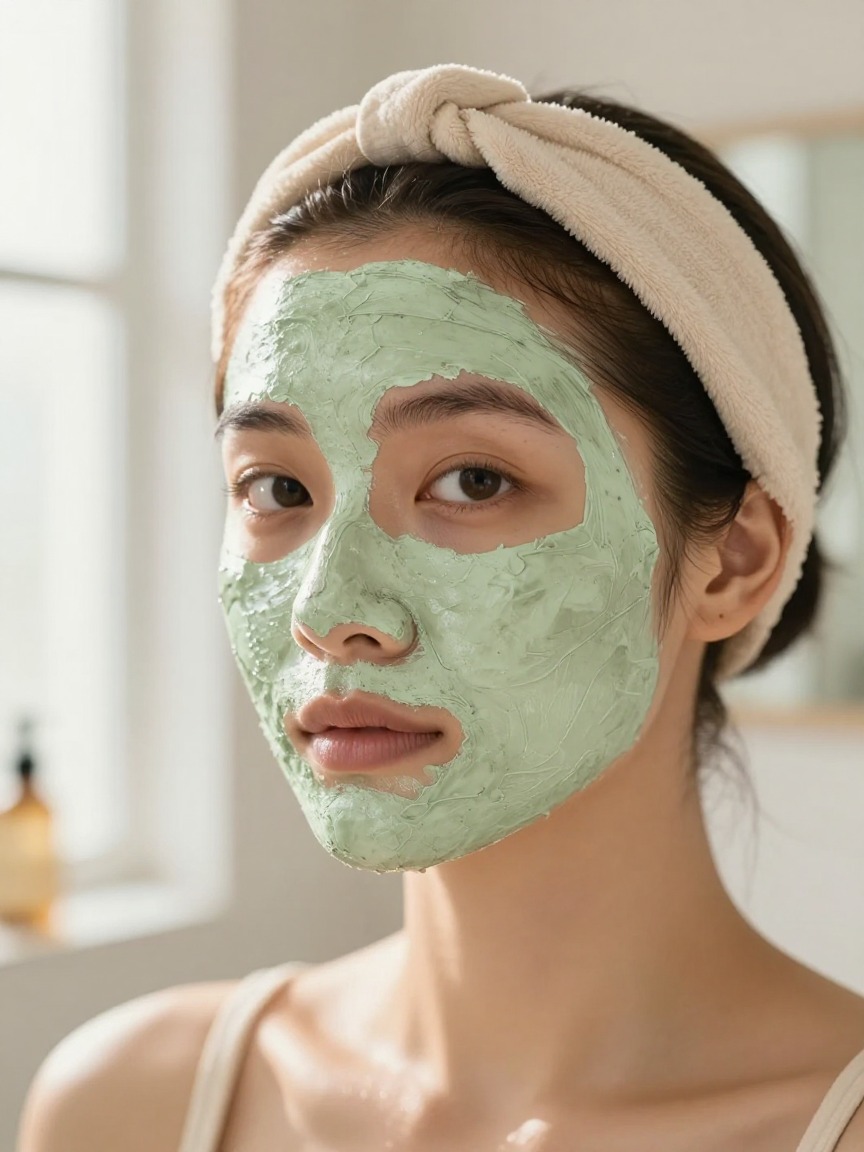
- Use a clay mask on the forehead, nose, and chin, not the cheeks.
- Blot midday shine instead of over-washing your face.
- Keep the niacinamide serum all over, since it suits both zones.
Sun protection is the final and most important daily step. La Roche-Posay Anthelios Clear Skin Dry Touch Sunscreen SPF 60 has a matte finish for the oily t-zone. Apply it every morning, even when you are indoors near windows. Reapply it whenever you spend real time outside. With a steady routine for combination skin, oil settles and cheeks stay hydrated. If breakouts or irritation persist on combination skin, a dermatologist can fine-tune your plan.
A few habits keep a routine for combination skin balanced over time. Do not over-cleanse, since stripping the skin backfires with more oil. Match your moisturizer amount to each area, lighter on the T-zone. Introduce actives slowly and watch how each zone responds. Keep a gentle cleanser and niacinamide serum as your steady base. Save exfoliation for a few nights a week, not daily. Blot midday shine rather than washing your face again. Adjust with the seasons, since skin gets oilier in humid heat. Always finish mornings with sunscreen, even on cloudy days. Give any change two to three weeks before judging results. If both zones stay unhappy, a dermatologist can help you fine-tune it.
Affiliate disclosure: We may earn a commission from qualifying purchases made through links on this page, at no extra cost to you. Some links on this page are affiliate links.
Recommended skincare routine for combination skin
Editor-picked products from our guides.

Cleanser — CeraVe Foaming Facial Cleanser
CeraVe
A gel-to-foam formula with ceramides and niacinamide. It clears excess oil while supporting the skin barrier. Many foaming cleansers strip skin instead — this one doesn't.
- Ceramide and niacinamide formula supports the skin barrier while cleansing
- Gel-to-foam texture removes T-zone oil without a tight, stripped feeling on the cheeks
- Fragrance-free and non-comedogenic
- Doesn't fully remove heavy sunscreen or makeup on its own — may need a first cleanse or micellar water on those days

Toner — Paula's Choice Skin Balancing Pore-Reducing Toner
Paula's Choice
Formulated for combination and oily-prone skin. It refines the look of pores. It manages midday oil without the alcohol-heavy sting of older-style toners.
- Alcohol-free formula avoids the over-drying effect of traditional astringent toners
- Helps refine the appearance of enlarged pores in the T-zone
- Lightweight enough to layer under serum and moisturizer
- Results on pore appearance are temporary and cosmetic, not a permanent change to pore size

Niacinamide Treatment — The Ordinary Niacinamide 10% + Zinc 1%
The Ordinary
Niacinamide is one of the best-evidenced ingredients for regulating oil production. It also supports barrier function at the same time — exactly the dual job combination skin needs.
- Well-studied ingredient for oil regulation and barrier support
- Affordable enough to use consistently, which matters more than concentration for niacinamide
- Lightweight, fast-absorbing formula that layers well under moisturizer
- The 10% concentration and zinc can feel slightly drying on some cheeks — patch test before applying it nightly over the entire face