

Should you apply hyaluronic acid to wet skin?
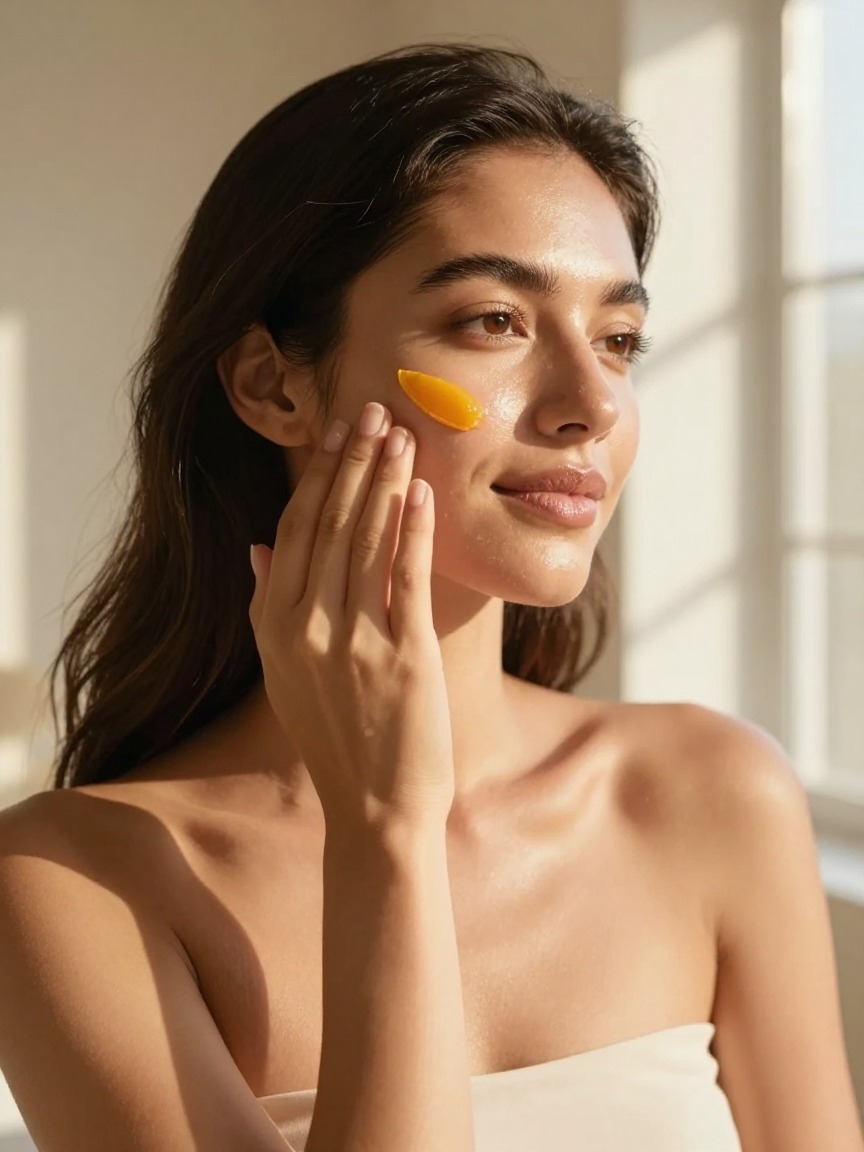
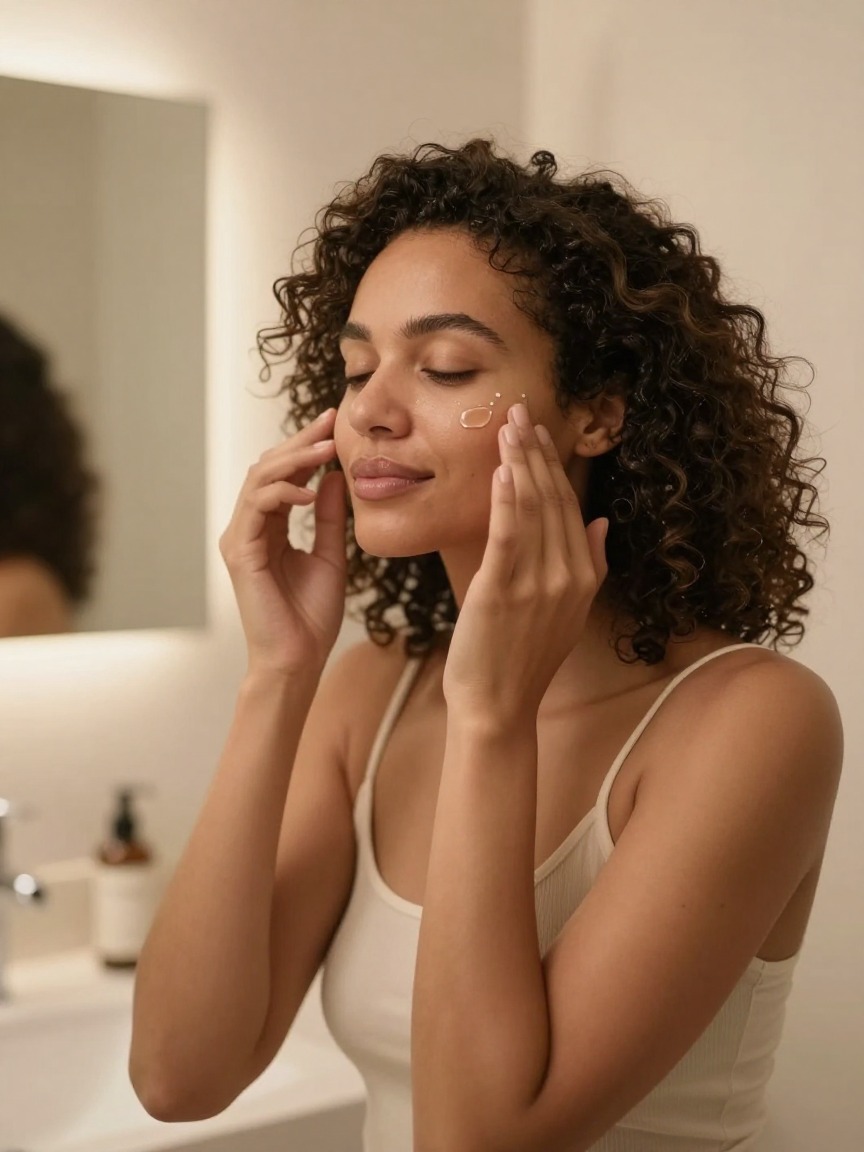
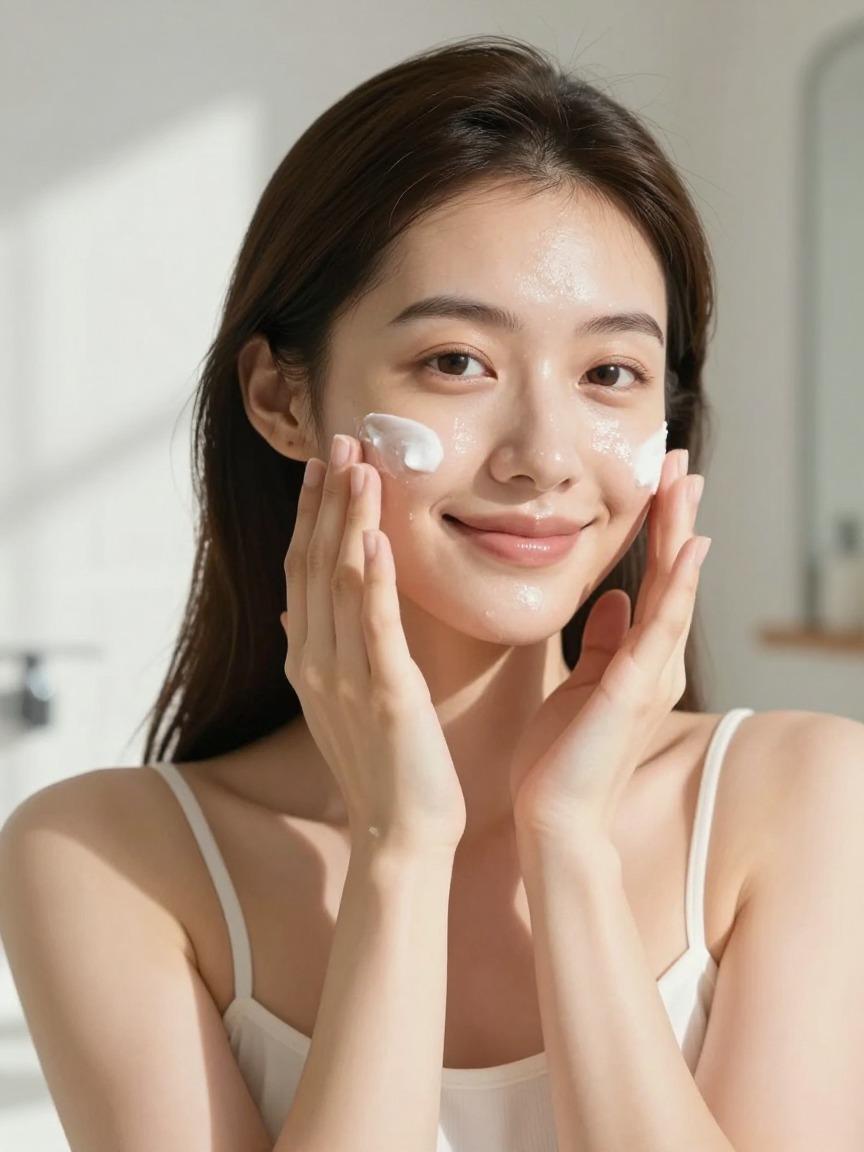
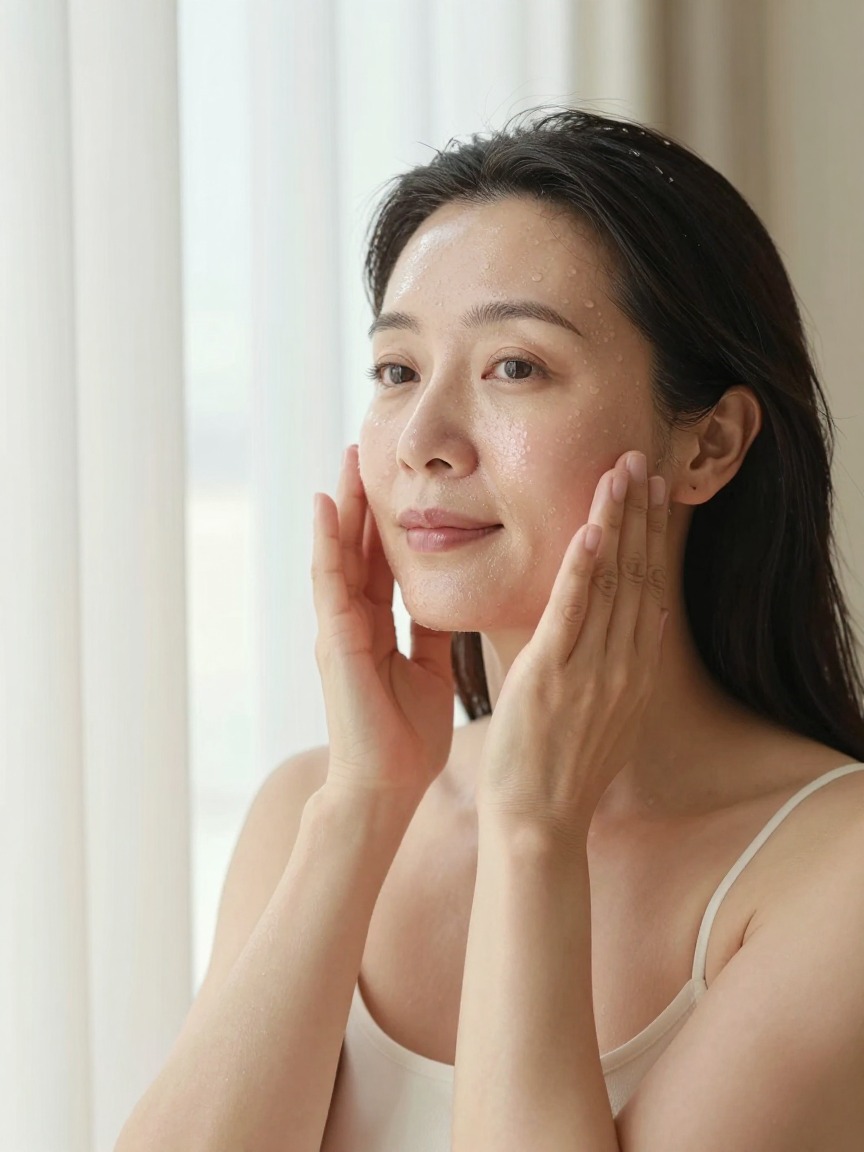
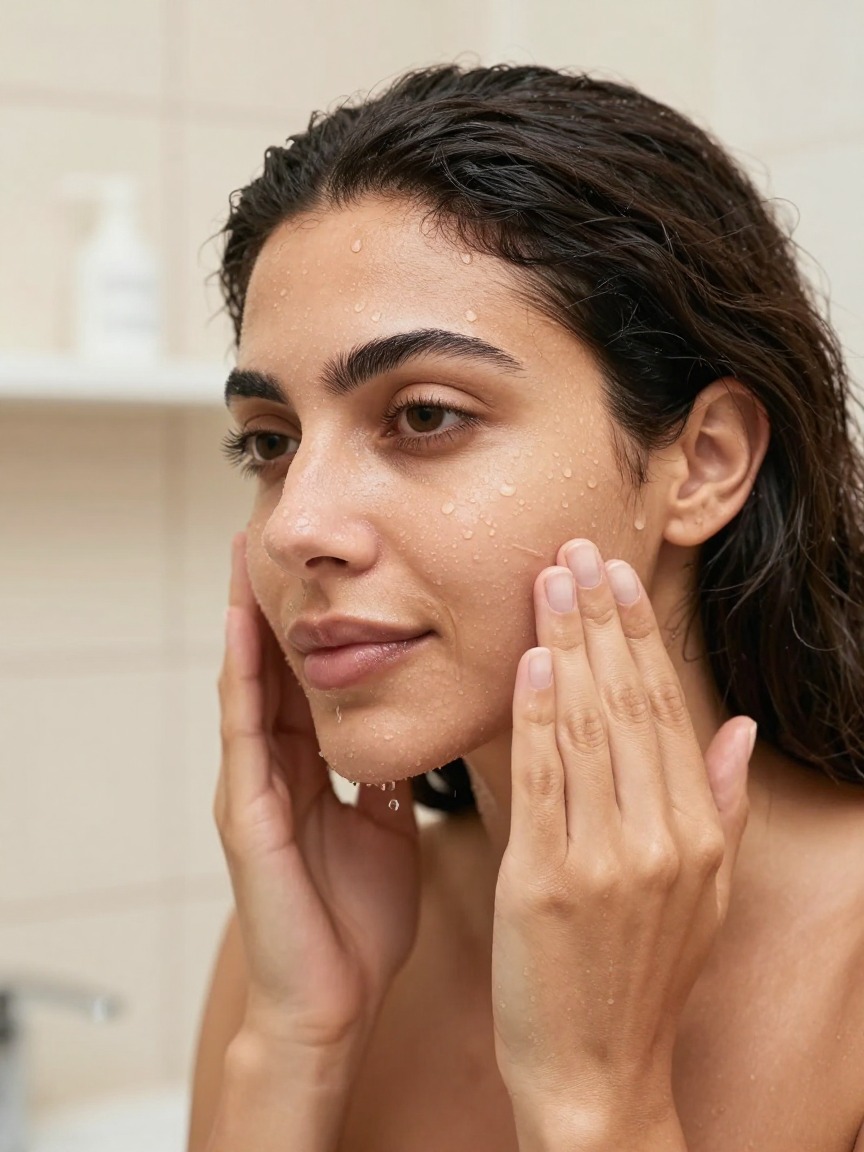
Yes, but aim for damp skin, not soaking wet skin. Hyaluronic acid is a humectant, which means it pulls in water from whatever is nearby. When your face is lightly damp, it draws from that surface moisture and holds it against the skin. On bone-dry skin with dry air around it, it can pull water from deeper layers instead. That can leave skin feeling tighter, not more hydrated. So a little moisture on the surface helps the ingredient do its job. The difference between wet skin and damp skin really matters here.
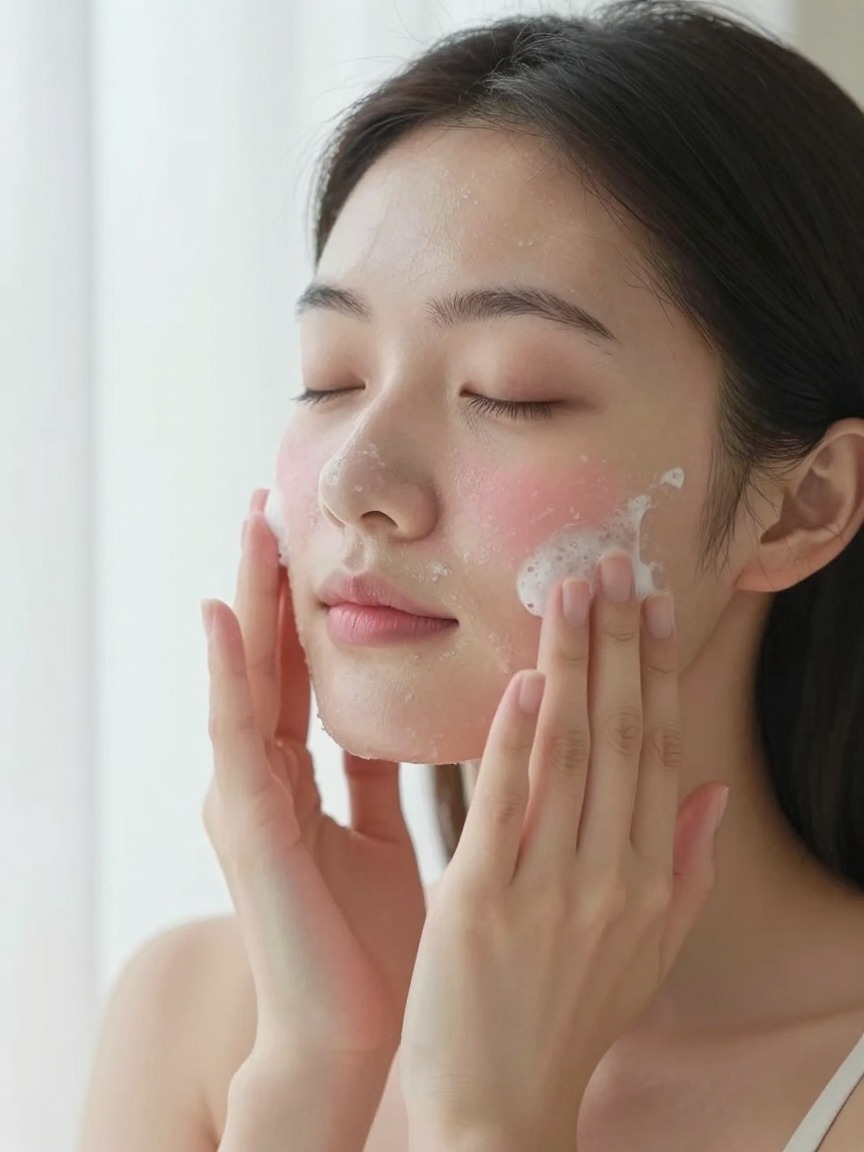
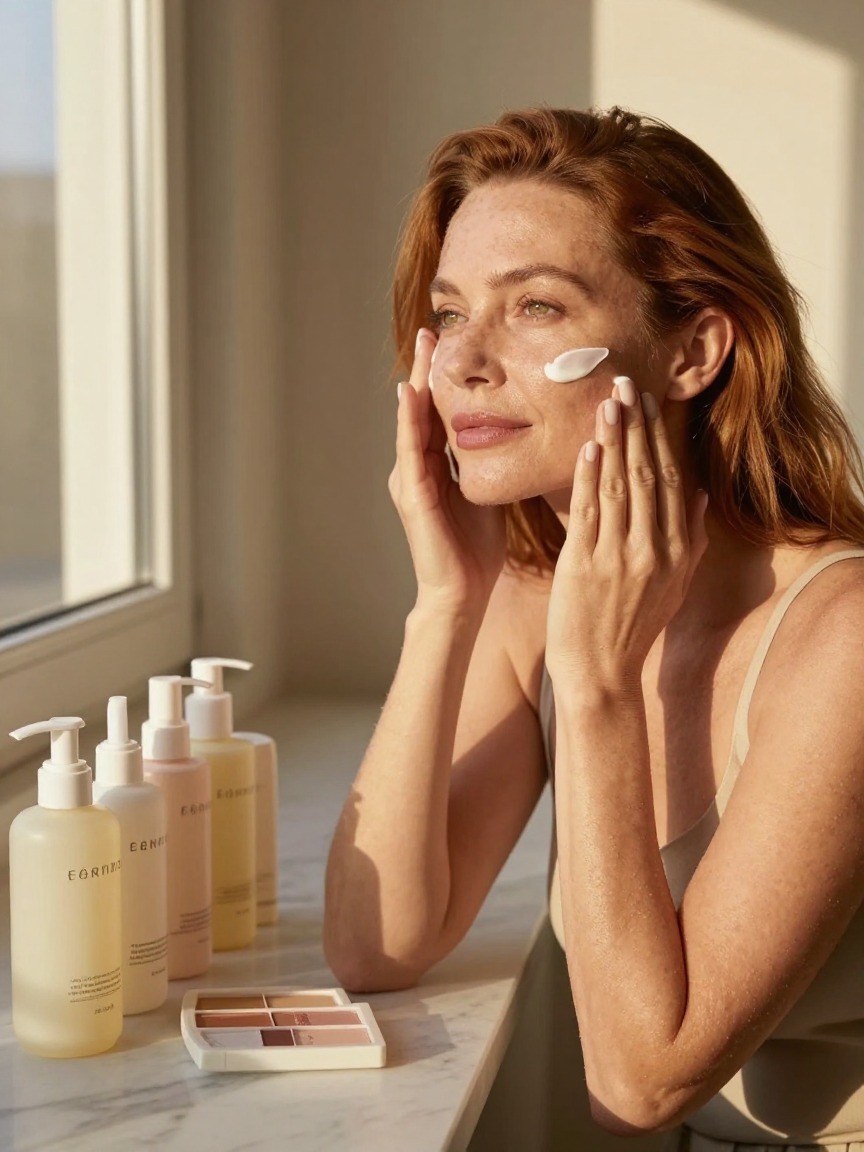
Timing is simple once you know the rule. Apply hyaluronic acid right after cleansing, while skin still feels damp. A hydrating toner or a few pats of water work too. The Ordinary Hyaluronic Acid 2% + B5 is a low-cost favorite. La Roche-Posay Hyalu B5 pairs it with soothing ingredients. Neutrogena Hydro Boost offers a light, everyday serum. Vichy Mineral 89 gives a simple, watery texture many people like. The order in your routine matters as much as the timing. Apply hyaluronic acid before heavier creams and oils. Those thicker layers would block a watery serum from sinking in. On very dry days, mist your face first, then apply while damp. In humid weather, the air itself supplies extra water to draw on. Small tweaks like these help the same serum perform better all year.
Do not overthink dripping versus damp. You want skin that feels moist to the touch, not water running off it.
Why a humectant works best on damp skin, then seal it in
A humectant needs water to move around. That is the whole reason damp skin matters for hyaluronic acid. With surface moisture present, the ingredient grabs it and settles it into the top layers. The result is plumper, smoother-looking skin for the next few hours. Without that moisture, and in dry conditions, the same humectant can work against you. This is why people in dry climates sometimes feel hyaluronic acid does nothing on very wet skin that dries too fast.
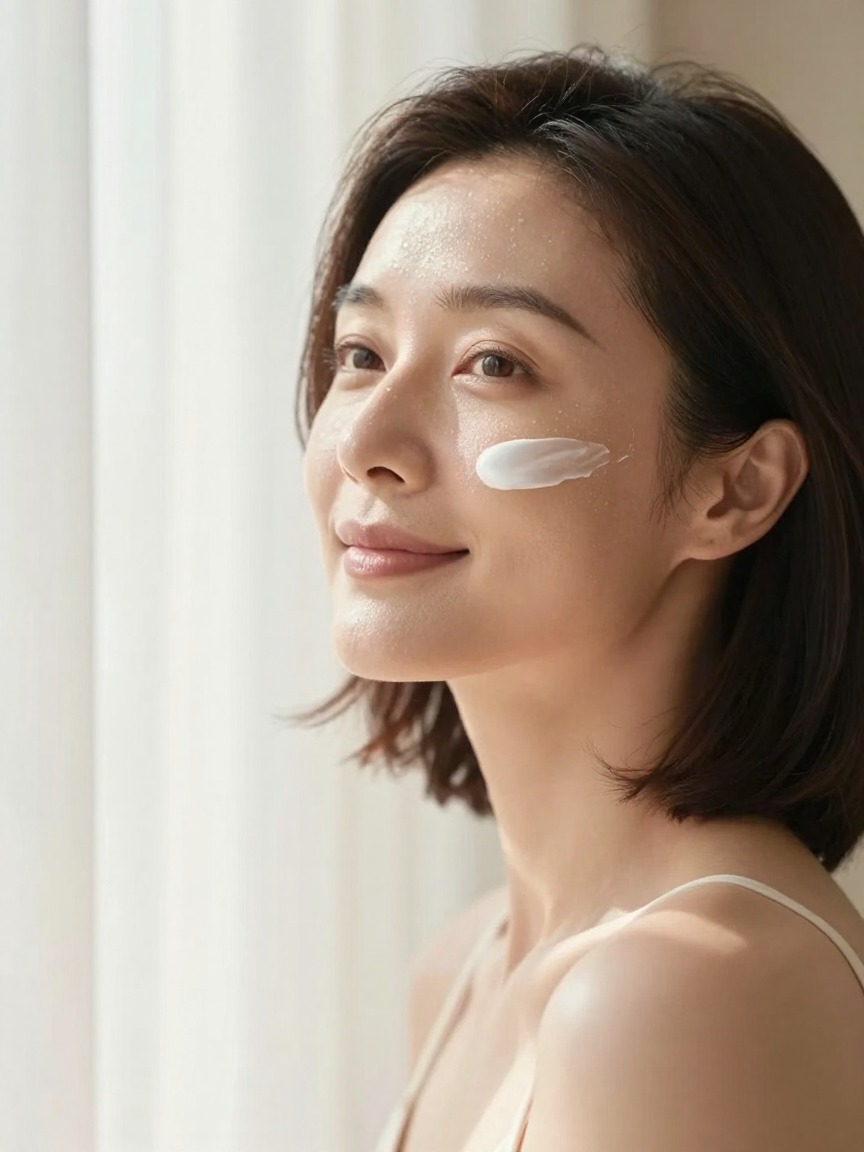
The second half of the trick is just as important. You have to seal it in fast. Water can evaporate right back out within a minute or two. A moisturizer on top locks the hydration in place. Think of hyaluronic acid as the water and the cream as the lid. Without the lid, the water simply drifts away. This is why a serum alone can leave skin feeling tight later. Pairing the two is the whole point of the step. Skip the cream and you lose most of the benefit you just added. Quick routine to follow:
- Cleanse, then leave skin lightly damp, not dry.
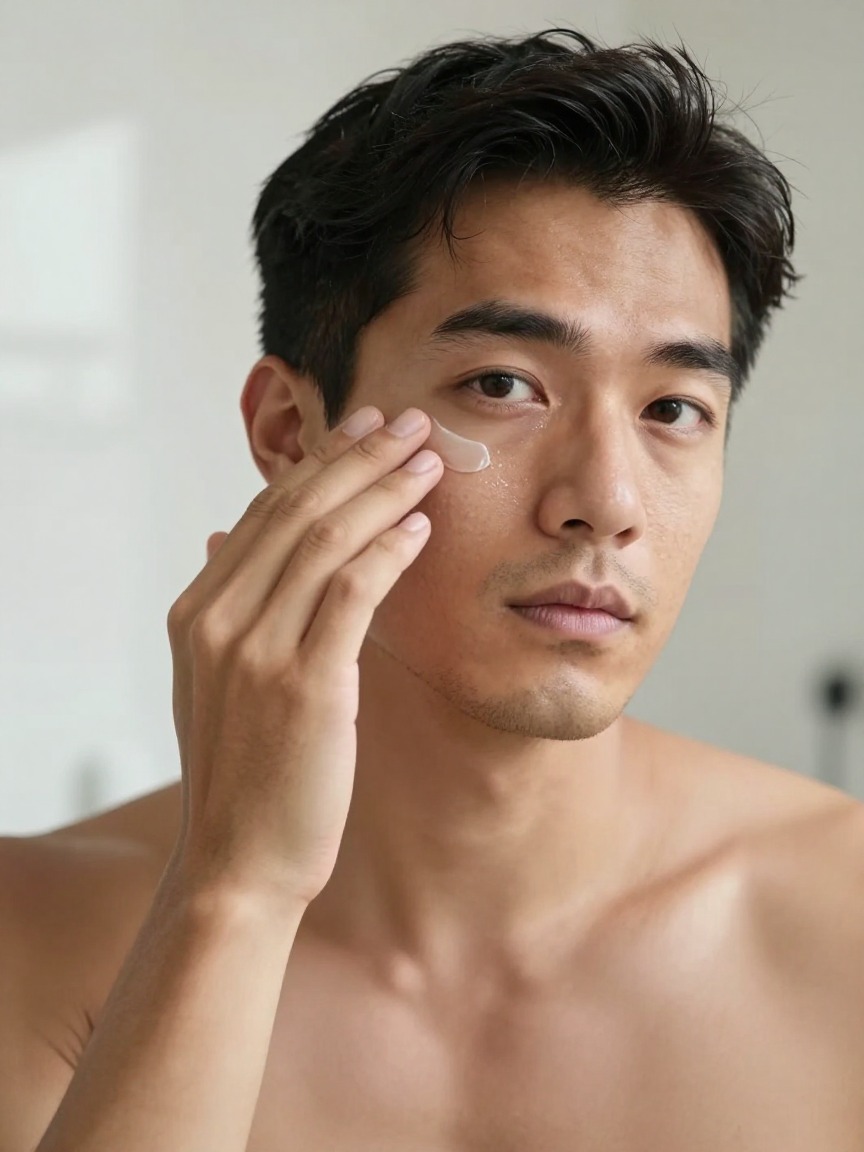
- Apply hyaluronic acid to damp skin within about a minute.
- Seal with a moisturizer, and sunscreen in the morning.
Brands make this easy at any budget. The INKEY List and Good Molecules both offer wallet-friendly hyaluronic acid serums. Whatever you pick, the method matters more than the price. Apply to damp skin, then seal it in with cream. Do that twice a day and skin holds hydration better. If your skin feels tight no matter what you try, a richer moisturizer or a dermatologist visit may help more than a stronger serum. For most people, though, damp skin plus a good seal is all it takes. That simple habit keeps hyaluronic acid working day after day.
Affiliate disclosure: We may earn a commission from qualifying purchases made through links on this page, at no extra cost to you. Some links on this page are affiliate links.
Recommended hyaluronic acid serums
Editor-picked products from our guides.

Hyalu B5 Serum
La Roche-Posay
It combines pure and fragmented hyaluronic acid with vitamin B5 and madecassoside. That hydrates skin at multiple depths. It also supports a compromised or reactive barrier. It's a more complete formula than a single-ingredient HA serum.
- Multiple molecular weights of HA plus soothing panthenol and madecassoside
- Backed by dermatologist-facing clinical testing
- Gel texture layers well under moisturizer and sunscreen
- Costs noticeably more per ounce than drugstore HA serums built around a similar core ingredient
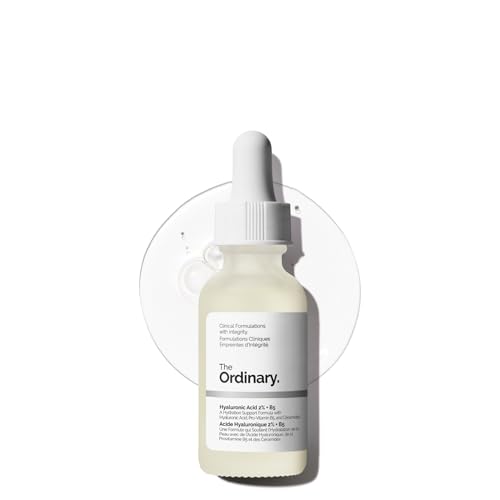
Hyaluronic Acid 2% + B5
The Ordinary
It's the serum that made multi-weight hyaluronic acid mainstream. The formula is simple and inexpensive, with vitamin B5 for support. It remains one of the most cost-effective ways to add HA to a routine.
- Very low cost per ounce for a multi-molecular-weight HA formula
- Fragrance-free with a short, low-risk ingredient list
- Easy to layer under any moisturizer or other serum
- Thin, slightly sticky-on-its-own texture that can feel tacky if it isn't sealed with a moisturizer soon after application

Hydro Boost Hyaluronic Acid Serum
Neutrogena
The water-gel texture absorbs almost instantly and leaves no residue. That makes it a reliable drugstore pick for skin that reacts badly to oil-based or occlusive products.
- Fast-absorbing, oil-free gel texture suits oily and combination skin
- Widely available at an accessible drugstore price
- Non-comedogenic and easy to layer under sunscreen
- Lighter formula may not be enough on its own for very dry skin without a heavier moisturizer layered on top