What a Hyaluronic Acid Serum Does: Humectants, Hydration and Plumping
Hyaluronic acid (HA) is a humectant. It pulls water toward the surface of the skin. It doesn't moisturize the way a rich cream does. A single gram of hyaluronic acid can bind many times its own weight in water. That's why even a thin, watery serum can plump and smooth skin within minutes. HA doesn't add oil. It doesn't build a barrier on its own. It doesn't treat acne, wrinkles, or any skin condition. What it does well is simple: it makes skin look and feel more hydrated, softer, and slightly more supple. That's a genuinely useful, low-risk step for almost any skin type.
Molecular Weight and Multi-Weight Formulas vs. the Percentage on the Label
Marketing tends to focus on concentration. "2% hyaluronic acid" is the most common example. But the more meaningful variable is molecular weight. Low-molecular-weight HA penetrates more deeply into skin. High-molecular-weight HA sits on the surface instead. It forms a hydrating film there. Formulas that combine several molecular weights are sometimes labeled "multi-weight" hyaluronic acid. These tend to hydrate more thoroughly than a single-weight version. That's because they work at multiple depths at once. A serum with a lower stated percentage can still outperform a higher-percentage, single-weight formula — as long as it uses multiple molecular weights.
What to Look For: Sodium Hyaluronate, Glycerin and Panthenol in a Fragrance-Free Formula
- Multiple molecular weights of HA, sometimes listed as sodium hyaluronate, hydrolyzed hyaluronic acid, or sodium acetylated hyaluronate.
- A supporting humectant like glycerin. It helps stabilize hydration. It's also one of the least likely ingredients to cause irritation.
- Added soothing ingredients such as panthenol (vitamin B5) or madecassoside. These help if your skin is reactive or barrier-compromised.
- A short, simple ingredient list if you have sensitive skin. Hyaluronic acid itself is very well tolerated. But added fragrance or a long list of actives raises the odds of a reaction. A fragrance-free formula is the safer choice.
Who It Suits: Dry Skin, Oily Skin, Sensitive Skin and Combination Skin
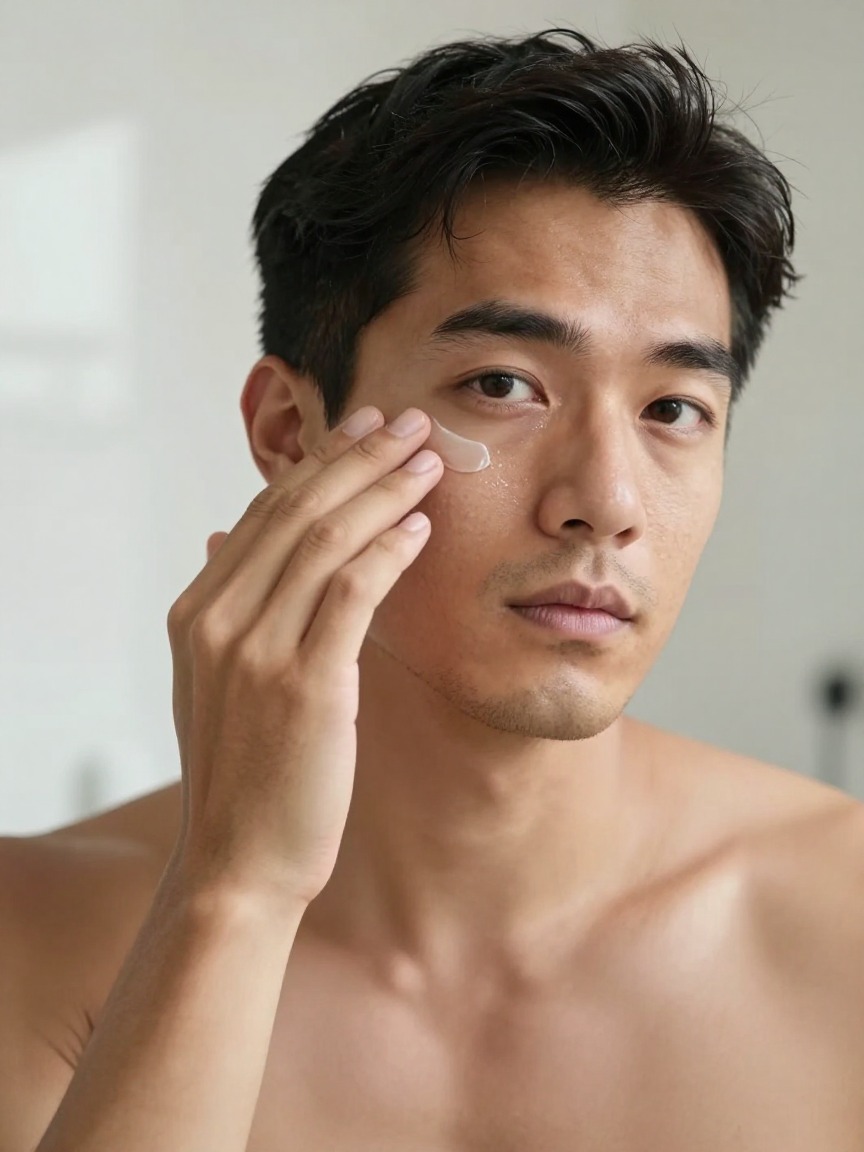
Nearly every skin type can use a hyaluronic acid serum. That's part of why it's such a popular first "active" for people building a routine. Oily and acne-prone skin benefits because HA hydrates without adding oil. Dry and mature skin benefits too — it's often layered under a richer moisturizer for extra water content. Sensitive skin generally tolerates HA well. A fragrance-free, minimal-ingredient formula is still the safer starting point. Combination skin can use it across the whole face without adding oil to already-oily areas. The main exception is very low-humidity environments. There, an HA serum used without a moisturizer sealed on top can leave skin feeling drier, not more hydrated.
What's Worth Paying For in a Hyaluronic Serum
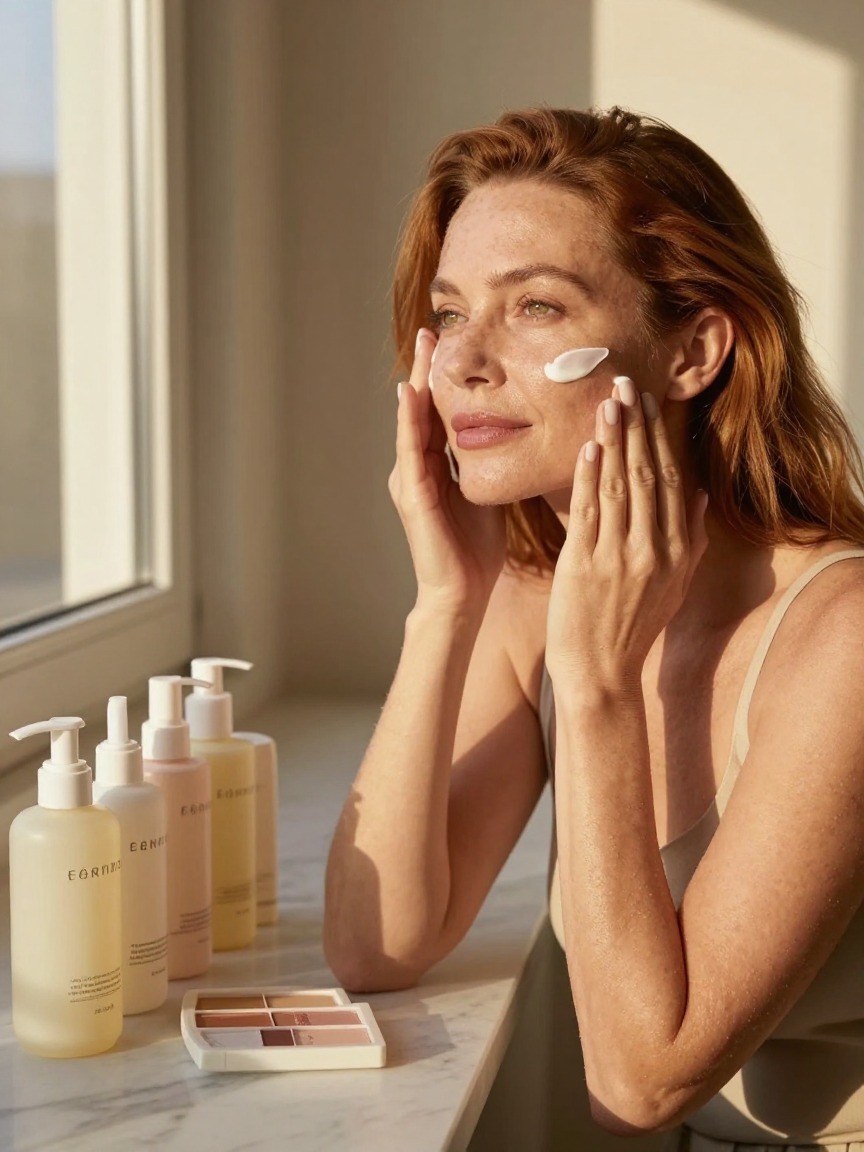
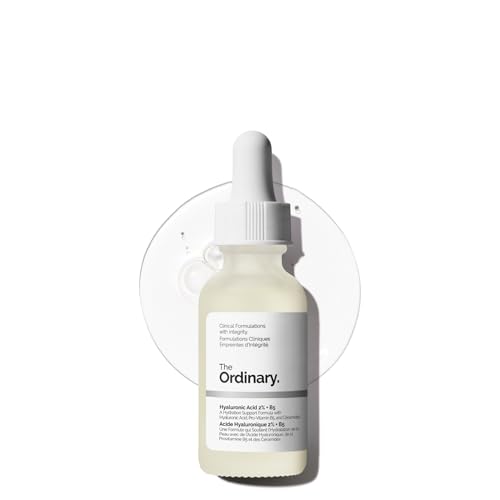
Because hyaluronic acid is inexpensive to formulate, this is a category where spending more buys very little on its own. A no-frills option like The Ordinary's, The Inkey List's, or Good Molecules' hydrates perfectly well for a low price and is the sensible way to try HA for the first time. What justifies a higher spend is the supporting cast, not the HA itself: a formula that adds soothing panthenol or calms redness — the sort of thing a La Roche-Posay Hyalu B5 offers — or a texture matched to your skin, such as the lightweight Neutrogena gel for oily skin or a minimal Vichy-style formula for reactive skin.
Don't shop on the percentage. A lower-stated, multi-weight formula often hydrates better than a higher-percentage single-weight one, and "plumping" or "anti-aging" claims oversell what a humectant can do. Prioritize a short, fragrance-free ingredient list if your skin reacts easily.
The Layering Mistake: Damp Skin, Your Moisturizer and the Skin Barrier
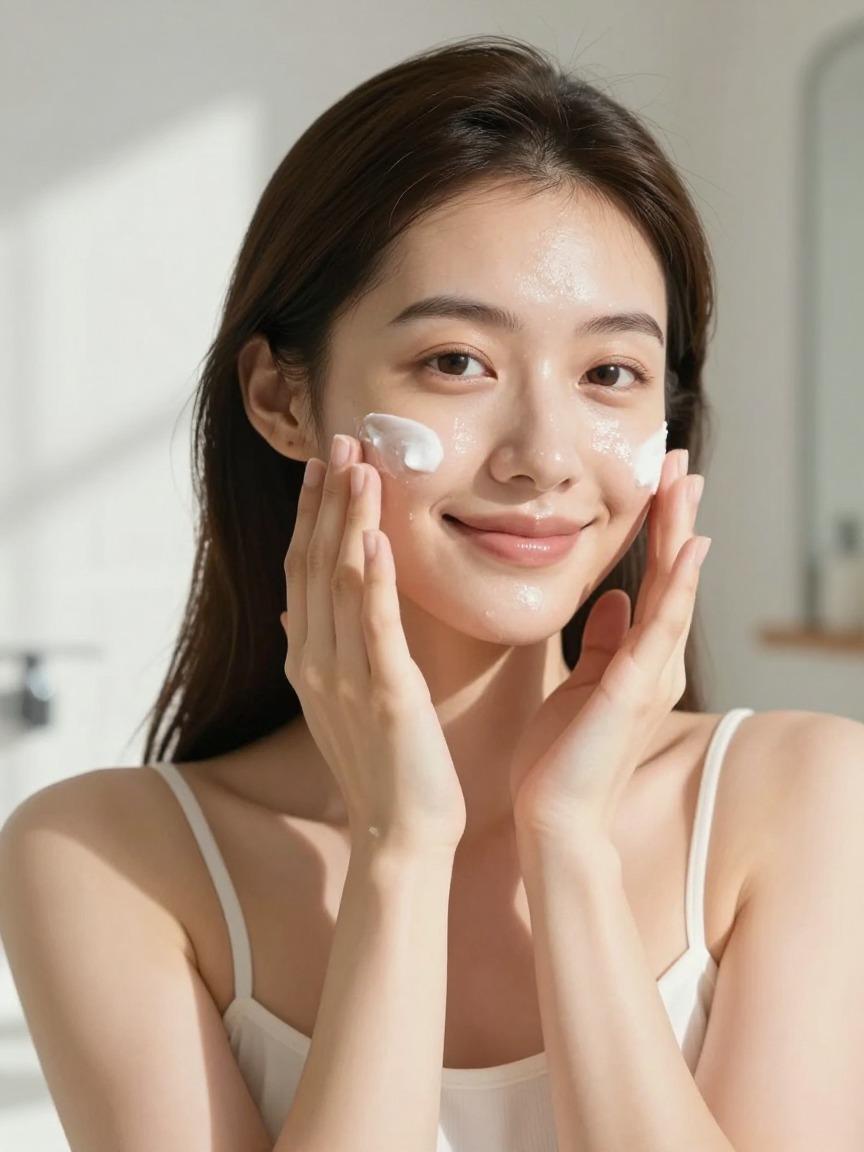
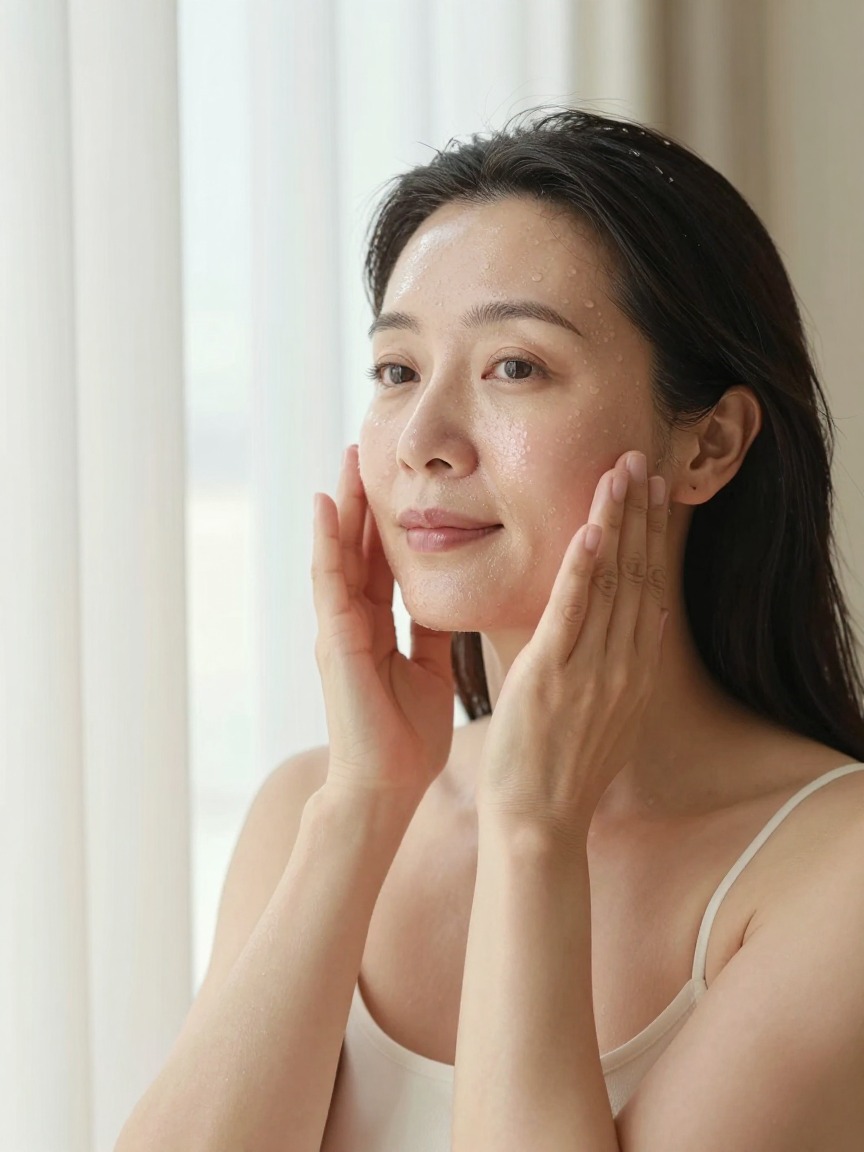
Applying hyaluronic acid serum to dry skin is the single most common mistake. Skipping the moisturizer afterward is a close second. HA needs water to pull from. That water can come from the air in humid conditions. Or it can come from the layer of dampness left on your skin after cleansing or toning. Apply it to towel-dried, still-slightly-damp skin. Then seal it with a moisturizer within a minute or two. That moisturizer step protects your skin's barrier and locks the hydration in. In a dry climate, skipping it can let HA pull water from your skin's deeper layers instead of the air. Skin ends up feeling tighter than before you applied it — not because the ingredient failed, but because of how it was used. If dehydrated skin persists despite correct layering, see a dermatologist.