

Skip to content
Hyaluronic Acid Serums · Deep dive

Hyaluronic Acid vs Glycerin

Hyaluronic Acid vs Glycerin

Hyaluronic acid gets more marketing attention. But glycerin is arguably the more reliable, better-studied humectant of the two. Understanding the difference explains why some of the best-formulated moisturizers lean on both, rather than picking one.

What Hyaluronic Acid and Glycerin Have in Common: Humectants for Hydration and Plumping

Both hyaluronic acid and glycerin are humectants. They pull water toward the skin. Neither supplies oil or builds a physical barrier. Both are widely tolerated. Both work best applied to slightly damp skin. Both perform better sealed with a moisturizer afterward, instead of left to evaporate. Neither ingredient treats a skin condition. They hydrate and plump — that's the extent of what either one reliably does.

Molecule Size: Molecular Weight vs. Glycerin's Small Molecule

The core difference comes down to molecule size. Hyaluronic acid is a large, complex polysaccharide. Even "low-molecular-weight" versions used in skincare are still comparatively large. Glycerin, by contrast, is a small, simple molecule. That size difference changes how each one behaves on skin. Higher-molecular-weight hyaluronic acid tends to sit more on the surface, creating a film-like, plumping effect. Glycerin's smaller size lets it move more freely into the upper layers of skin.

Track Record, Cost and Irritation: Why Both Suit Fragrance-Free Formulas

Glycerin has one of the longest research track records of any skincare ingredient. It's been studied for decades. It shows up in countless well-tolerated formulas. It's inexpensive, stable, and rarely causes irritation. Hyaluronic acid has a shorter mainstream history. It became popular partly because its plumping effect feels dramatic right away. Effective marketing around its water-binding capacity helped too. Glycerin is also far cheaper to produce. That's why it turns up as a supporting ingredient in almost every moisturizer, cleanser, and serum — even ones built around a different headline ingredient. Both ingredients show up often in fragrance-free formulas. Low irritation risk matters most for sensitive, reactive skin.

Climate Performance: Humidity, Dry Climate and Damp Skin

This is one of the more practical differences. In very low-humidity conditions, both ingredients can theoretically pull water from the skin's deeper layers. That happens when there's no atmospheric moisture available and nothing sealing them in. But glycerin is generally considered more forgiving in a dry climate than hyaluronic acid. That's partly because of how differently the two interact with the skin's surface. Neither is a good idea to use without a moisturizer layered on top in a dry, heated, or air-conditioned environment. Have you had a bad experience with HA serum in a dry climate? A glycerin-forward humectant might be worth testing instead. Apply it to damp skin first, just like hyaluronic acid.

Do You Need Both in Your Moisturizer Formula?

Most well-formulated serums and moisturizers don't force a choice. Glycerin is a supporting ingredient in a huge share of hyaluronic acid serums already on the market. Formulas like La Roche-Posay's Hyalu B5 and The Ordinary's Hyaluronic Acid 2% + B5 already pair hyaluronic acid with other supporting ingredients. The two humectants complement each other rather than compete. If you're building a routine from separate products, there's no real downside to using both. Use a hyaluronic acid serum for its more visible, immediate plumping effect. Layer it with a moisturizer that also contains glycerin. That gives you a steadier, more climate-resilient baseline of hydration.

Choosing First: Dry Skin, Sensitive Skin, Oily Skin or Combination Skin

If you're deciding between the two, skin type and climate matter more than any inherent superiority of one ingredient. Oily or combination skin in a humid climate will likely see a more noticeable effect from hyaluronic acid. Very dry skin, sensitive skin, or a persistently low-humidity or air-conditioned environment may get steadier results from a glycerin-forward humectant, or from a formula combining both. In practice, most people don't need to overthink the choice. Check the ingredient list on whatever serum or moisturizer you're already using. There's a good chance both are already in it.
You may be interested in

Popular picks from related categories, chosen with the same rubric.

Editor's Pick #1
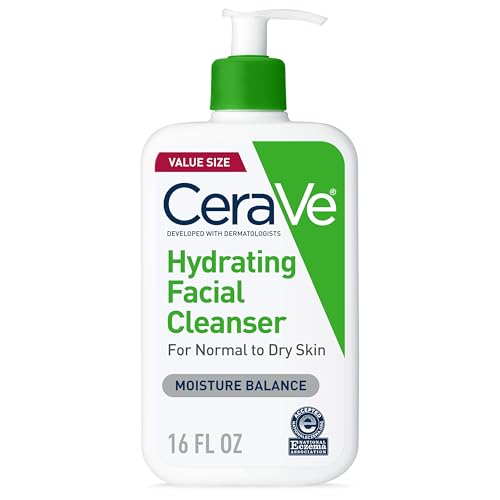
Hydrating Facial Cleanser
Dry-to-normal sensitive skin, especially anyone also using retinoids or other actives

Hydrating Facial Cleanser

CeraVe

It's formulated with three ceramides, hyaluronic acid, and a National Eczema Association seal. Dermatologists mention it most often for reactive skin. It's a genuinely non-foaming, low-irritation formula that doesn't strip the barrier.

Ceramide and hyaluronic acid formula supports the skin barrier while cleansing
Fragrance-free, non-foaming, and won't disrupt a compromised moisture barrier
Budget-friendly per ounce and widely available at drugstores
Doesn't fully dissolve heavy sunscreen or long-wear makeup on its own, so double-cleansing days may need a micellar water or oil-based first step
Editor's Pick #1
Moisturizing Cream
Normal to dry skin that wants a dermatologist-developed, fragrance-free daily moisturizer

CeraVe Moisturizing Cream

CeraVe

It pairs three essential ceramides with hyaluronic acid in a rich, fragrance-free base. Long-term users with dry, compromised skin consistently praise it. It's also inexpensive enough to use liberally.

Ceramide + hyaluronic acid formula supports the skin barrier
Fragrance-free and well-tolerated by sensitive skin
Large jar size makes it very cost-effective per ounce
The tub packaging means dipping fingers into the product, which isn't ideal for hygiene or portability
Editor's Pick #1
UV Clear Broad-Spectrum SPF 46
acne-prone, sensitive, or post-procedure skin that needs a dermatologist-trusted daily option

UV Clear Broad-Spectrum SPF 46

EltaMD

Dermatologists reach for EltaMD more than almost any other sunscreen. It pairs broad-spectrum zinc oxide protection with niacinamide and hyaluronic acid. The oil-free base is genuinely weightless and layers well under makeup.

Broad-spectrum SPF 46 with zinc oxide
Oil-free, non-comedogenic formula favored for acne-prone skin
Contains niacinamide and hyaluronic acid for added hydration
Pricier per ounce than most drugstore sunscreens, and the pump makes it easy to under-apply if you're not deliberate about the amount.
Editor's Pick #1
Super Volcanic Pore Clay Mask 2X
oily, pore-prone skin that wants a formula built specifically around pore congestion

Super Volcanic Pore Clay Mask 2X

innisfree

Two types of volcanic clay target sebum and blackheads. The texture isn't chalky or hard to remove like older clay formulas. It's also genuinely affordable for how often you'll reach for it.

Lightweight, non-cakey texture that spreads and rinses easily
Visibly reduces the look of congested pores after a single use
Priced low enough to use regularly without guilt
The mineral scent is noticeable and won't appeal to everyone
Editor's Pick #1
Skin Perfecting 2% BHA Liquid Exfoliant
Anyone dealing with clogged pores, blackheads, or rough, bumpy texture who wants an evidence-backed exfoliating toner

2% BHA Liquid Exfoliant

Paula's Choice

It's built around a well-studied 2% salicylic acid concentration at an effective pH. The base is fragrance-free and alcohol-free. That combination is why it's stayed a favorite among ingredient-focused shoppers for years, rather than fading as a trend.

2% salicylic acid at a pH that actually works
Fragrance-free and alcohol-free formula
Noticeably improves texture and blackheads with consistent use
The active concentration can cause redness or flaking in the first couple of weeks, so it's not the easiest starting point for very reactive or rosacea-prone skin
Editor's Pick #1
Contour Face
people who want the most clinically studied LED mask on the market and don't mind the price

Contour Face

Omnilux

Omnilux's LED technology is the same platform used in dermatology clinics. The Contour Face is its rigid, dermatologist-favorite home version, and it has more research behind it than most at-home competitors.

Extensive clinical research behind Omnilux's LED platform, more than most home devices
FDA-cleared for temporary reduction in the appearance of fine lines and wrinkles
Even, consistent light distance thanks to the rigid, hinged design
Rigid shell doesn't flex to different face shapes, there's no blue-light setting for acne, and it's one of the most expensive masks on the market

Affiliate disclosure: We may earn a commission from qualifying purchases made through links on this page, at no extra cost to you. Some links on this page are affiliate links.