
What ingredients help rosacea
Several ingredients help rosacea look calmer and more even. Azelaic acid and niacinamide have the strongest evidence. Centella asiatica is widely used to soothe reactive skin. These ingredients support comfort and appearance day to day. They work best as part of a gentle routine. The ingredients that help rosacea do not replace prescription care. A dermatologist may still recommend medication for diagnosed rosacea.
Gentleness is the theme with rosacea-prone skin. Harsh scrubs and strong acids often make redness worse. La Roche-Posay Toleriane Double Repair Face Moisturizer supports a calm barrier. Dr. Jart+ Cicapair Tiger Grass Color Correcting Treatment uses centella asiatica to soothe. A steady, simple routine tends to beat an aggressive one. Fewer, kinder products usually help most.
Sun protection is non-negotiable for rosacea. UV exposure is a common trigger for flare-ups. EltaMD UV Clear Broad-Spectrum SPF 46 is a popular mineral-leaning choice. Apply sunscreen every morning, rain or shine. Reapply during long days outdoors. Protecting skin from the sun keeps redness in check. Temperature swings can also set off rosacea. Hot showers, spicy food, and alcohol are common triggers. Keeping skin cool and calm helps a lot. Use lukewarm water, never hot, when you wash. Choose fragrance-free products to lower the risk of flares. The ingredients that help rosacea work best in a calm routine.
How azelaic acid and niacinamide can soothe rosacea
Azelaic acid is a favorite for calmer, even-toned skin. It can reduce the look of redness over several weeks. The Ordinary Azelaic Acid Suspension 10% is an affordable option. Paula's Choice 10% Azelaic Acid Booster mixes into a moisturizer. Niacinamide supports the barrier and helps ease redness too. Paula's Choice 10% Niacinamide Booster is an easy way to add it.
Centella asiatica rounds out a soothing routine. Also called cica, centella asiatica calms the feel of reactive skin. It layers well with azelaic acid and niacinamide. Introduce one active at a time to spot triggers. Give each ingredient several weeks before judging. Patience helps you learn what your skin likes. Start with one soothing product, not several at once. That way you can spot what calms or irritates. Azelaic acid and niacinamide both suit sensitive, rosacea-prone skin. Centella asiatica adds extra comfort without much risk. Note how your redness responds along the way. Slow testing prevents setbacks.
These ingredients support skin but do not cure rosacea. Rosacea is a medical condition with real triggers. Track flare-ups from heat, spice, alcohol, and stress. If redness is severe or spreading, see a dermatologist. They can prescribe treatments these products cannot match. Use gentle actives alongside, not instead of, professional care. Rosacea is a long-term condition, not a quick problem. Gentle skincare manages its look between flare-ups. It cannot cure the underlying cause. That is a job for a dermatologist. Combine azelaic acid, niacinamide, and centella asiatica with medical guidance. Consistency and sun protection do the most for rosacea. Keep a short list of gentle products you trust. Reintroduce anything only after a calm spell. Track your personal triggers as you go. That measured approach keeps flare-ups to a minimum.
- Choose azelaic acid and niacinamide for calmer, even-toned skin.
- Add centella asiatica to soothe reactive skin.
- Wear broad-spectrum sunscreen to limit rosacea flare-ups.
- See a dermatologist for diagnosed rosacea.
- Wash with lukewarm water and skip hot showers to limit flares.
Affiliate disclosure: We may earn a commission from qualifying purchases made through links on this page, at no extra cost to you. Some links on this page are affiliate links.
Recommended how to reduce facial redness & rosacea
Editor-picked products from our guides.
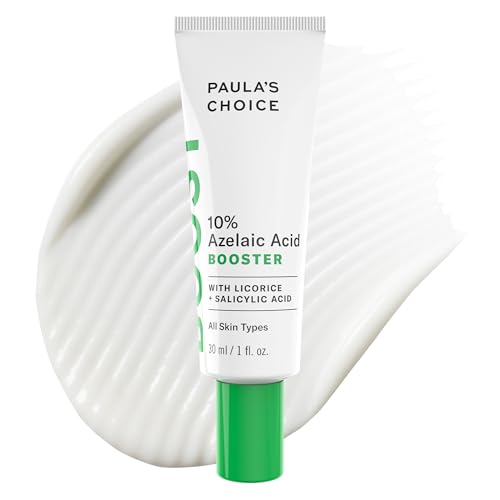
10% Azelaic Acid Booster
Paula's Choice
Azelaic acid has some of the strongest evidence in this category for reducing visible redness and blotchiness. This formula keeps the rest of the ingredient list minimal and fragrance-free, so it doesn't add new triggers.
- 10% azelaic acid is a well-studied concentration with a strong track record for visible redness and tone evenness
- Fragrance-free, lightweight gel-cream texture layers easily under moisturizer and sunscreen
- Can be used once or twice daily, making it easy to build up tolerance slowly
- Visible improvement typically takes 8 to 12 weeks of consistent use, so it's not a fast fix for an active flare

Azelaic Acid Suspension 10%
The Ordinary
It delivers the same 10% azelaic acid as pricier options, at a fraction of the cost. That makes it one of the most accessible ways to test whether this ingredient works for your skin.
- Same 10% azelaic acid concentration as premium alternatives at a much lower price per ounce
- Simple, fragrance-free formula with few extra ingredients to react to
- Widely available and easy to find restocked
- Thicker, slightly grainy texture that some find harder to blend evenly or layer under makeup than gel-based alternatives

10% Niacinamide Booster
Paula's Choice
Niacinamide has good evidence for supporting a stronger skin barrier and reducing blotchiness over time. This booster format is concentrated, so it can be mixed into a moisturizer for extra-sensitive skin that needs to start slowly.
- Can be mixed directly into a moisturizer to dilute the concentration for very reactive skin
- Supports barrier function, which matters as much as any single redness ingredient for rosacea-prone skin
- Fragrance-free and pairs well with azelaic acid or centella-based products
- Booster format means it's an extra product and step rather than a standalone serum, which adds cost and routine complexity