
What Triggers Rosacea Flare-Ups
Rosacea flare-ups are the skin's response to certain triggers. What triggers rosacea flare-ups differs a lot from person to person. Still, some causes come up again and again. Knowing the common ones helps you spot your own pattern faster. That awareness is the first real step toward calmer skin. Once you can predict a flare, you can often head it off before it starts. Learning to predict a flare is often the difference between managing rosacea and feeling ambushed by it.
Heat and warmth are frequent triggers. So are spicy food, alcohol, and hot drinks. Strenuous exercise, stress, and cold wind can set off flushing too. Each of these can widen blood vessels and bring on redness. The list is long, which is exactly why guessing rarely works well. Instead of avoiding everything at once, it helps to watch which triggers actually affect you. Rather than fearing every item on the list, focus on the few that clearly affect you.
What triggers rosacea flare-ups for one person may not affect another at all. That is why tracking your own reactions matters so much. Keep a short diary of foods, weather, and products for a few weeks. Over time, your personal pattern will stand out clearly. You may find only two or three triggers really apply to you. That focus is far more useful than a long list of things to fear. Narrowing things down to your real triggers is far more practical than avoiding everything at once.
Reducing Facial Redness From Sun Exposure and Fragranced Skincare
Skincare choices play a real role in facial redness. Harsh scrubs and strong actives can worsen sensitivity. Fragranced skincare is a common irritant for reactive skin. Switching to gentle, fragrance-free products often calms facial redness over time. A short, simple routine tends to serve rosacea-prone skin best. Cutting back to a cleanser, moisturizer, and sunscreen is a sensible reset. Paring the routine back to the basics is a sensible reset when skin feels reactive.
A few well-chosen products can support calmer skin. Azelaic acid is a gentle option, as in the Paula's Choice 10% Azelaic Acid Booster or The Ordinary Azelaic Acid Suspension 10%. Dr. Jart+ Cicapair Tiger Grass helps mask and soothe visible redness. La Roche-Posay Toleriane Double Repair supports the skin barrier. Introduce any new product slowly so you can watch how your skin reacts. Adding one thing at a time makes it easy to spot what helps or hurts. Adding one product at a time makes it obvious which ones soothe and which ones sting.
- Sun exposure, the single most cited rosacea trigger.
- Heat, spicy food, alcohol, and hot drinks.
- Stress, hard exercise, and cold wind.
- Fragranced skincare and harsh exfoliants.
- Very hot showers, which can flush the face.
Daily sun protection is a smart first step, since sun exposure drives many flare-ups. The EltaMD UV Clear Broad-Spectrum SPF 46 is gentle enough for sensitive skin. Limiting sun exposure and fragranced skincare will not cure rosacea, but it can reduce flare-ups. Rosacea is a medical condition, so results vary from person to person. For a lasting plan, talk with a dermatologist about your options. They can rule out other causes and suggest treatments beyond skincare. A dermatologist can also confirm the diagnosis and open up treatments beyond skincare alone.
Affiliate disclosure: We may earn a commission from qualifying purchases made through links on this page, at no extra cost to you. Some links on this page are affiliate links.
Recommended how to reduce facial redness & rosacea
Editor-picked products from our guides.
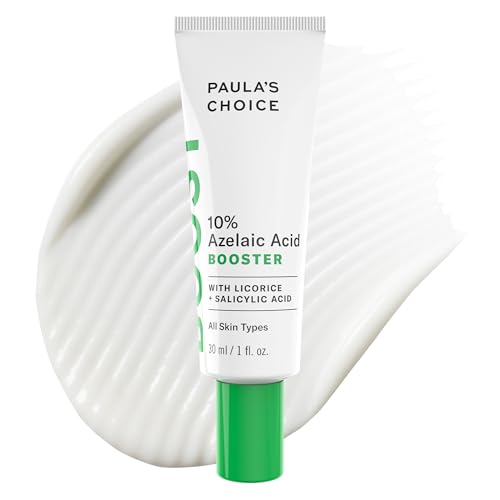
10% Azelaic Acid Booster
Paula's Choice
Azelaic acid has some of the strongest evidence in this category for reducing visible redness and blotchiness. This formula keeps the rest of the ingredient list minimal and fragrance-free, so it doesn't add new triggers.
- 10% azelaic acid is a well-studied concentration with a strong track record for visible redness and tone evenness
- Fragrance-free, lightweight gel-cream texture layers easily under moisturizer and sunscreen
- Can be used once or twice daily, making it easy to build up tolerance slowly
- Visible improvement typically takes 8 to 12 weeks of consistent use, so it's not a fast fix for an active flare

Azelaic Acid Suspension 10%
The Ordinary
It delivers the same 10% azelaic acid as pricier options, at a fraction of the cost. That makes it one of the most accessible ways to test whether this ingredient works for your skin.
- Same 10% azelaic acid concentration as premium alternatives at a much lower price per ounce
- Simple, fragrance-free formula with few extra ingredients to react to
- Widely available and easy to find restocked
- Thicker, slightly grainy texture that some find harder to blend evenly or layer under makeup than gel-based alternatives

10% Niacinamide Booster
Paula's Choice
Niacinamide has good evidence for supporting a stronger skin barrier and reducing blotchiness over time. This booster format is concentrated, so it can be mixed into a moisturizer for extra-sensitive skin that needs to start slowly.
- Can be mixed directly into a moisturizer to dilute the concentration for very reactive skin
- Supports barrier function, which matters as much as any single redness ingredient for rosacea-prone skin
- Fragrance-free and pairs well with azelaic acid or centella-based products
- Booster format means it's an extra product and step rather than a standalone serum, which adds cost and routine complexity